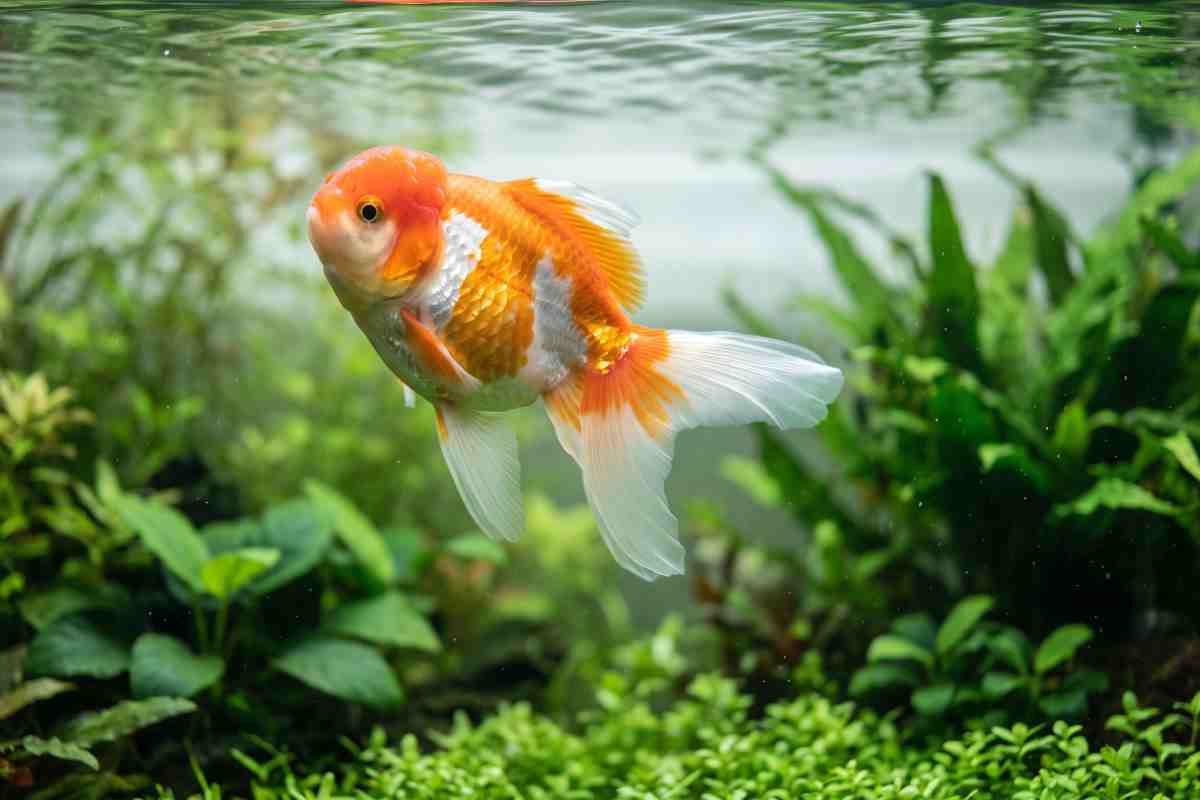
A goldfish that suddenly floats sideways, sinks to the bottom, or swims upside down is showing the classic signs of swim bladder disorder. It looks alarming, but in most cases it is treatable at home within a few days once you identify the underlying cause. This guide breaks down exactly why it happens, how to diagnose it, and the step-by-step process to fix it, along with the cases where it becomes a permanent condition to manage rather than cure.
What Is Swim Bladder Disorder in Goldfish?
The swim bladder is a gas-filled internal organ that lets a goldfish hold its position in the water without expending energy swimming up or down. Goldfish are physostomous fish, meaning their swim bladder connects directly to the digestive tract through a small duct, so swallowed air can pass into the bladder during feeding. This design allows excess air swallowed during feeding to enter the swim bladder, which can sometimes lead to buoyancy problems. Swim bladder disorder itself is not a single disease. It is a symptom of buoyancy loss that can stem from diet, water quality, infection, or the fish’s own body structure.
-
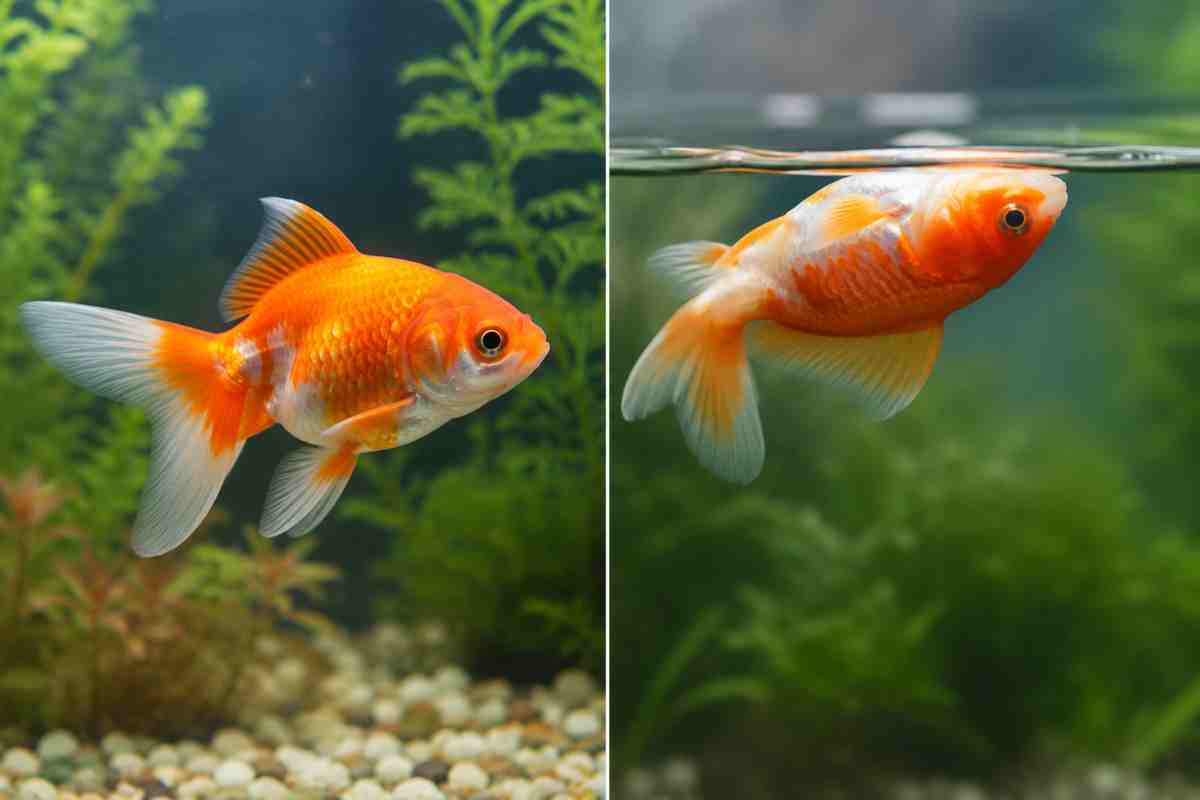
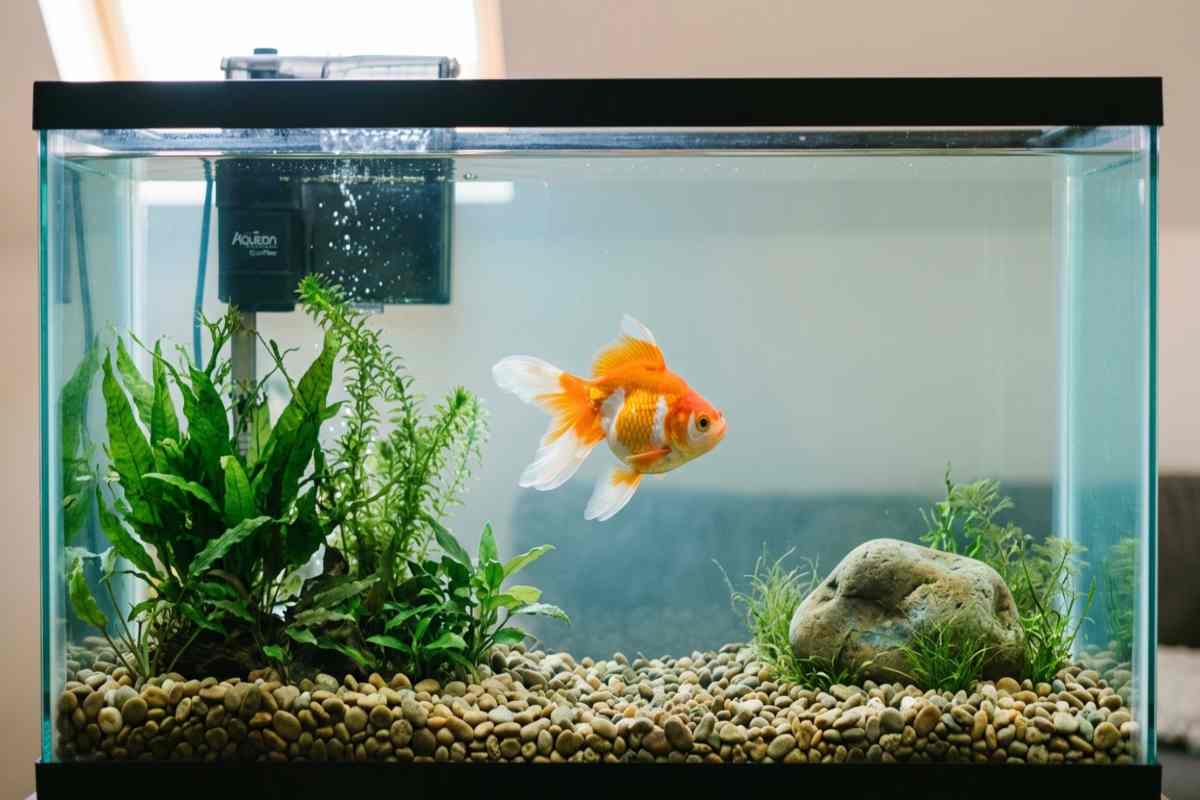
A healthy goldfish swims level, while one with swim bladder disorder floats or tilts at the surface.
Goldfish Swim Bladder Anatomy: Why This Organ Is So Sensitive
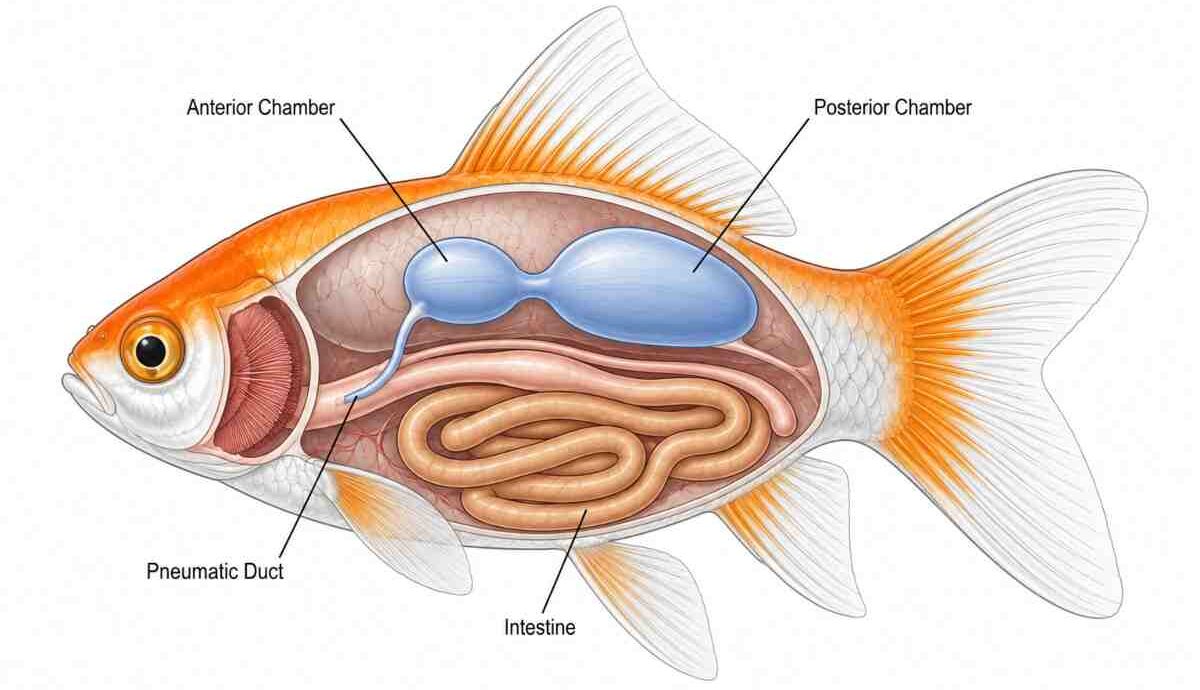
The goldfish swim bladder has two connected chambers. The fish adjusts gas volume in each chamber to fine-tune depth and orientation. Because the organ sits close to the intestine, kidneys, and other internal structures, anything that swells the gut, such as constipation or bloating, can physically press on the bladder and throw off buoyancy even when the bladder itself is perfectly healthy. This is why digestive issues are the single most common trigger of buoyancy problems in goldfish, rather than damage to the organ itself.
- A healthy goldfish swims level, while one with swim bladder disorder floats or tilts at the surface.
Recognizing the Signs of Swim Bladder Disorder
| Symptom | What It Looks Like |
|---|---|
| Positive buoyancy | Fish floats at the surface, often tilted or with its back exposed to air |
| Negative buoyancy | Fish rests or sinks at the bottom and struggles to rise |
| Rolling or listing | Fish swims on its side or cannot hold a level position |
| Upside-down swimming | Fish floats belly-up but is still breathing and alert |
| Distended abdomen | Visible bloating or swelling, sometimes with raised “pinecone” scales |
| Reduced appetite | Fish shows less interest in food than usual |
If your goldfish also shows pinecone scales, bulging eyes (Popeye), skin drying above the waterline, or has stopped eating entirely, treat this as urgent and involve an aquatic veterinarian rather than relying on home care alone. These signs point toward infection or organ failure, not a simple digestive block.
What Causes Swim Bladder Disorder in Goldfish
1. Overfeeding and Air Swallowing
Goldfish are enthusiastic, messy eaters. Gulping at the surface, especially with floating pellets, pulls air into the digestive tract, and some of that air migrates into the swim bladder through the connecting duct—overfeeding compounds the problem by causing constipation, which puts pressure on the bladder from the intestine side.
2. Poor Water Quality
Ammonia, nitrite, low dissolved oxygen, sudden temperature swings, and gas supersaturation are common environmental triggers. Water quality is stressful enough on its own to trigger buoyancy loss even when the bladder itself is structurally normal, which is why testing the tank is always the first diagnostic step.
3. Bacterial or Parasitic Infection
Infections can inflame or fill the swim bladder with fluid, distorting its shape and function. This cause typically comes with other symptoms such as bloating, redness, lethargy, or clamped fins rather than buoyancy loss alone.
4. Body Shape in Fancy Goldfish
Rounded, egg-shaped fancy varieties such as Orandas, Ranchus, Fantails, and Ryukins carry generations of selective breeding for a compact body cavity. As PetMD notes, these structural traits can put pressure on the swim bladder, making buoyancy issues more likely in fancy breeds than in slim-bodied varieties like Comets and Shubunkins.
5. Egg Binding and Organ Compression
In mature female goldfish, a buildup of unreleased eggs can press against the swim bladder in the same way a distended gut does, producing the same floating or listing symptoms without any infection present.
6. Trauma, Tumors, or Genetic Malformation
Physical injury, internal tumors, or a swim bladder that never developed correctly are less common but explain the cases that do not respond to fasting, diet changes, or salt baths. Published veterinary literature identifies poor water quality, infectious agents, poor nutrition, neoplasia, injuries, and genetic factors as the recognized causes behind these buoyancy disorders in ornamental fish, with goldfish being the species most frequently affected.
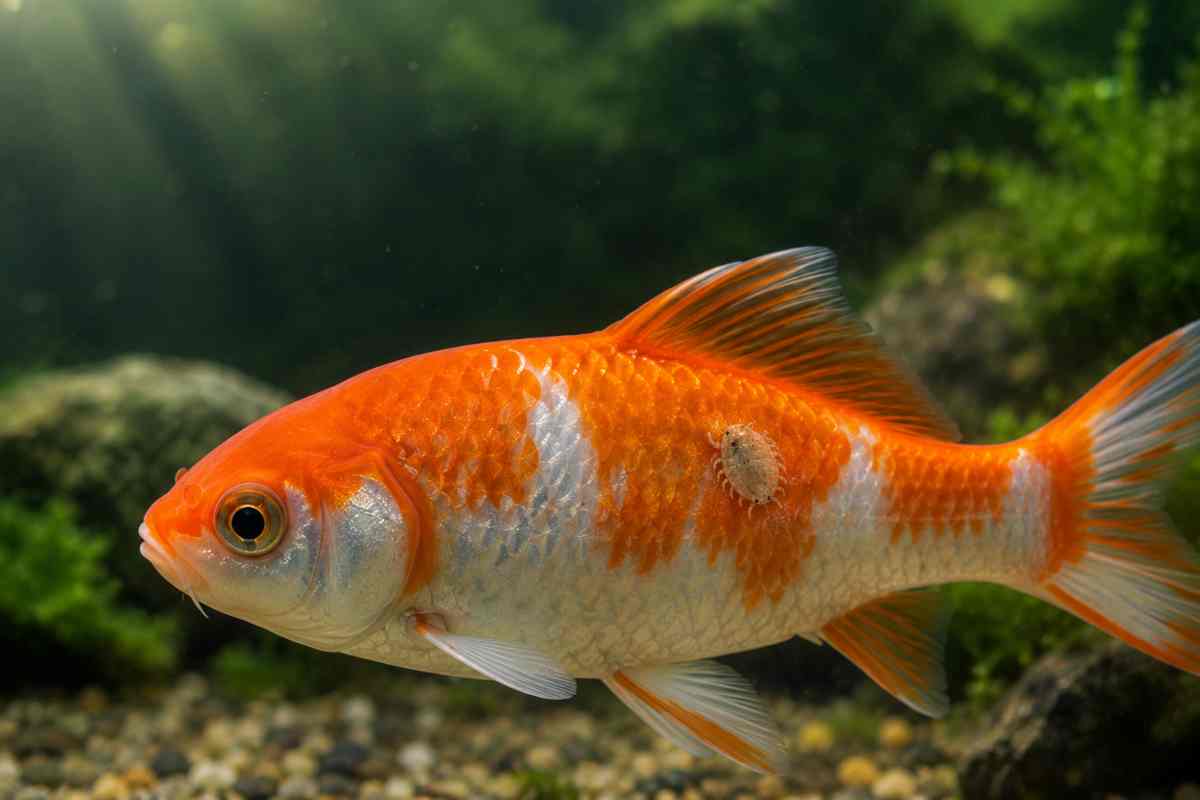
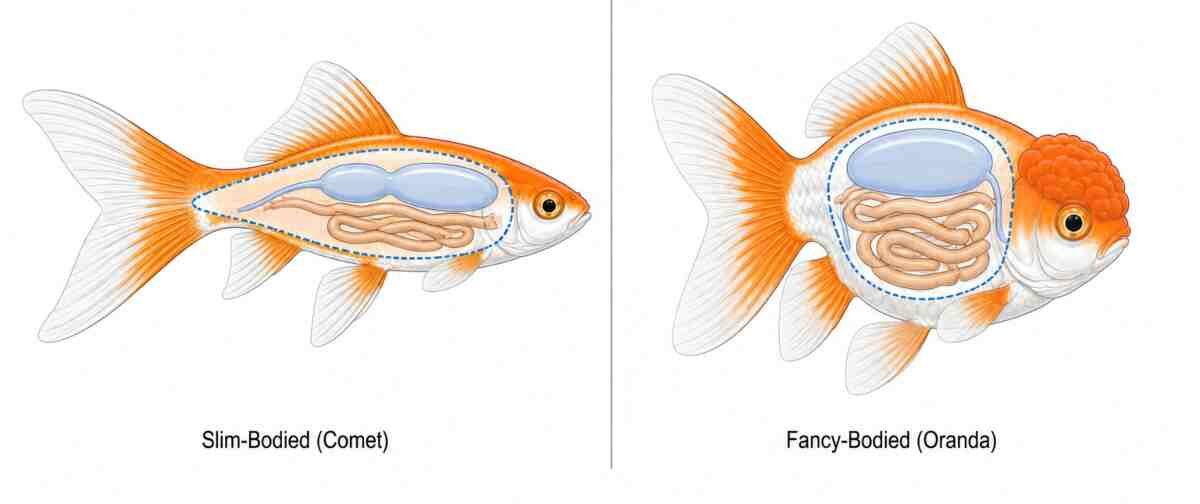 Fancy goldfish have a smaller, more compressed body cavity than slim-bodied varieties.
- Read more: How to Fix Swim Bladder Disease in Betta
How to Diagnose the Cause at Home
Work through these checks in order before starting treatment, since the fix depends entirely on the trigger:
- Test the water for ammonia, nitrite, nitrate, pH, and temperature. Correct any reading outside the safe range immediately.
- Review recent feeding. Did symptoms start shortly after a meal, or after switching foods? This points toward air swallowing or constipation.
- Check for other symptoms. Bloating, redness, popeye, or pinecone scales suggest infection rather than a simple digestive cause.
- Consider body shape and history. A fancy goldfish with recurring episodes over months is more likely dealing with a structural issue than a fixable digestive one.
- Rule out egg binding in mature females showing a swollen abdomen with no other illness signs.
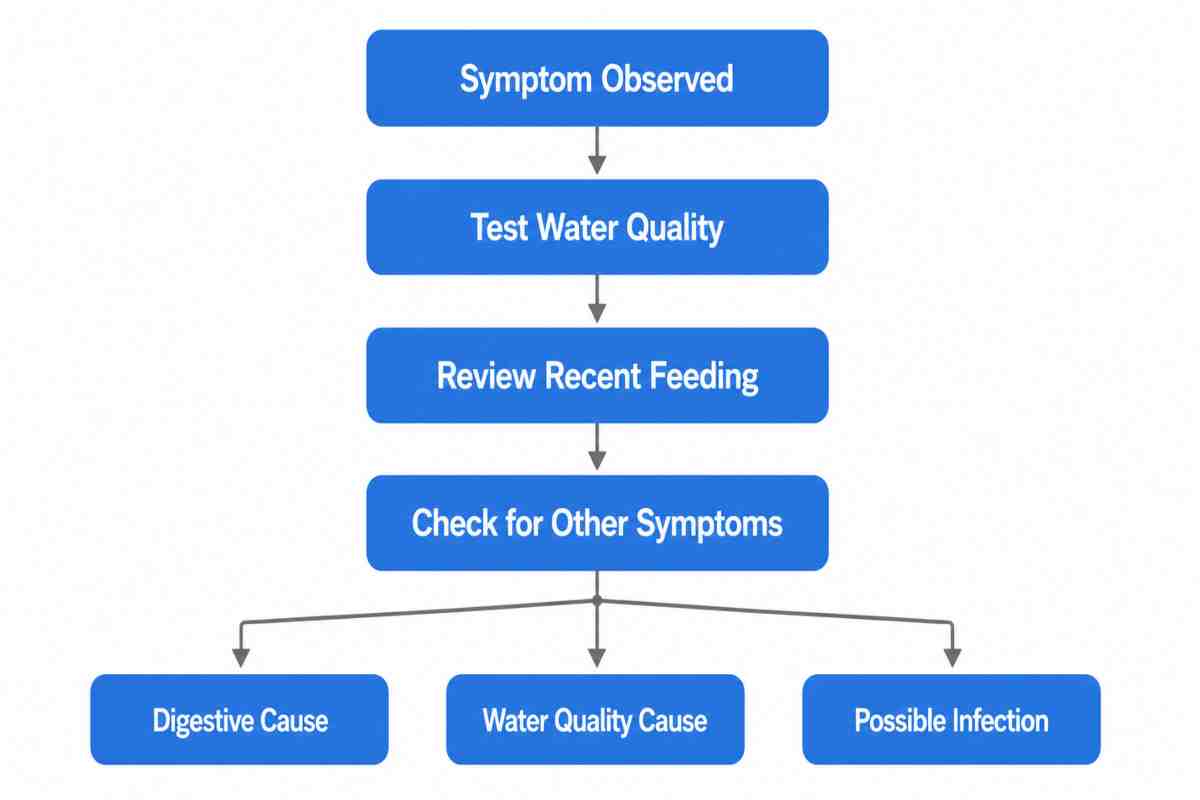 A step-by-step decision path for narrowing down the cause of swim bladder disorder.
Step-by-Step: How to Fix Swim Bladder Disorder in Goldfish
Step 1: Move the Fish to a Hospital Tank
Isolating an affected goldfish in a smaller, shallower hospital tank reduces the distance it has to fight against gravity and makes it easier to monitor eating and waste. This step is optional for mild cases but recommended once symptoms last more than a day.
Step 2: Fast the Fish for 24 to 72 Hours
Withholding food gives the digestive tract time to clear, which relieves pressure on the swim bladder if constipation or air swallowing is the trigger. A healthy goldfish can safely fast for several days, so this step carries far less risk than continuing to feed a blocked gut.
Step 3: Offer a Skinned, Blanched Pea
Once fasting ends, feed a single skinned pea, cut into a size the fish can swallow. The fiber content helps move waste through the gut. It is worth setting expectations correctly here: peas act as a mild natural laxative, not as a cure for infection or a genetic structural problem, so if symptoms persist after a few feedings, the cause likely lies elsewhere.
Step 4: Correct the Water and Consider an Epsom Salt Bath
Perform a partial water change and confirm parameters are stable. A short Epsom salt bath (roughly one to three teaspoons per gallon in a separate container for 15 to 30 minutes) can help reduce internal swelling in constipation-related cases. Avoid adding Epsom salt directly to the main display tank long-term, as it affects the entire system rather than just the affected fish.
Step 5: Treat for Infection if Symptoms Point That Way
If bloating, redness, or lethargy accompany the buoyancy loss, an antibacterial treatment formulated for internal infections may be needed. This is the point where guessing becomes risky, and confirming the cause with a fish-experienced veterinarian saves both time and unnecessary medication.
Step 6: Get a Veterinary Diagnosis for Recurring or Severe Cases
According to PetMD, veterinarians typically diagnose swim bladder disorders using imaging alongside a review of the fish’s environment and symptoms, with X-rays being the most effective way to evaluate the bladder itself and to determine whether the cause is structural, infectious, or something else. This step matters most for fancy goldfish with repeat episodes, since imaging is often the only way to confirm a genetic or permanent cause.
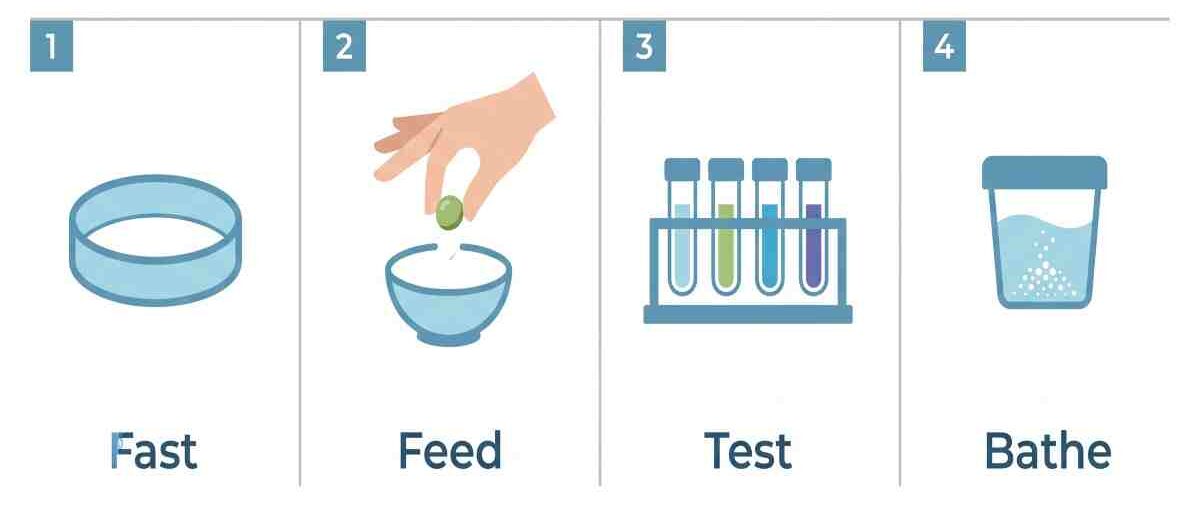 The four-step home treatment sequence for swim bladder disorder: fast, feed, test, bathe.
Home Care vs. Veterinary Care
| Situation | Recommended Approach |
|---|---|
| Mild floating after feeding, fish still active and eating | Home care: fast, correct water, offer a pea |
| Symptoms lasting more than 2 to 3 days | Water change plus close monitoring, prepare to escalate |
| Bloating, redness, popeye, or pinecone scales | Veterinary care, likely infection |
| Fancy goldfish with recurring episodes over weeks or months | Veterinary imaging to check for structural or genetic cause |
| Fish stuck at surface or bottom, not eating, distressed | Veterinary care as soon as possible |
Managing Chronic Swim Bladder Disorder in Fancy Goldfish
Not every case resolves. When the cause is a compressed body cavity from selective breeding, a fully collapsed bladder, or permanent nerve damage, the goal shifts from curing the condition to managing it. This can include long-term dietary adjustments, tank design that reduces the distance a fish has to swim to reach the surface for air, and in some cases a veterinarian-fitted buoyancy aid. Homemade floats or weights are best avoided unless a veterinarian recommends them, since improvised devices can damage the fish’s protective slime coat and skin. A goldfish managing a chronic swim bladder condition can still live a full, comfortable life with the right accommodations.
Preventing Swim Bladder Disorder in Goldfish
- Soak dry pellets in tank water for a minute or two before feeding to reduce expansion and swallowed air inside the fish.
- Feed smaller portions two or three times a day instead of one large meal.
- Include fiber-rich foods such as blanched peas, spinach, or zucchini in the regular rotation, not just as treatment.
- Maintain stable water parameters with regular testing and partial water changes.
- If buying a fancy goldfish, choose individuals that swim level and hold position naturally, since early swimming posture often predicts long-term buoyancy health.
Frequently Asked Questions
Is swim bladder disorder contagious to other fish?
No. It is not an infectious disease in itself, though a bacterial infection causing it could potentially spread if water quality allows pathogens to multiply. Isolating the affected fish is still good practice while you diagnose the cause.
Do peas actually cure swim bladder disorder?
Peas help relieve constipation-related cases by adding fiber, but they do not affect infections or genetic structural causes. Think of them as one treatment tool, not a universal fix.
How long does it take for a goldfish to recover?
Digestion-related cases often improve within 2 to 4 days of fasting and correcting water quality. Infection-related cases can take one to two weeks with treatment. Structural cases in fancy breeds may never fully resolve and instead require ongoing management.
Is swim bladder disorder painful or fatal for goldfish?
It is not typically painful on its own, but prolonged floating exposes skin above the waterline to drying and secondary infection, and prolonged sinking limits oxygen access. Left unaddressed, these secondary effects can become serious, which is why prompt action matters even in mild cases.
Can swim bladder disorder come back after treatment?
Yes, particularly in fancy goldfish prone to overfeeding or with a naturally compressed body shape. Consistent feeding habits and water maintenance are the most effective long-term prevention.
At The Fish Care, we recommend treating the first episode as a diagnostic opportunity. How a goldfish responds to fasting and clean water tells you far more about the underlying cause than any single symptom does.
References
This article draws on veterinary and peer-reviewed sources to ensure accuracy:
- PetMD (veterinarian-reviewed clinical resource) – https://www.petmd.com/fish/conditions/respiratory/swim-bladder-disorders-fish
- PMC / National Center for Biotechnology Information (peer-reviewed veterinary literature on swim bladder disorders in ornamental fish) – https://www.ncbi.nlm.nih.gov/pmc/articles/PMC7692175/