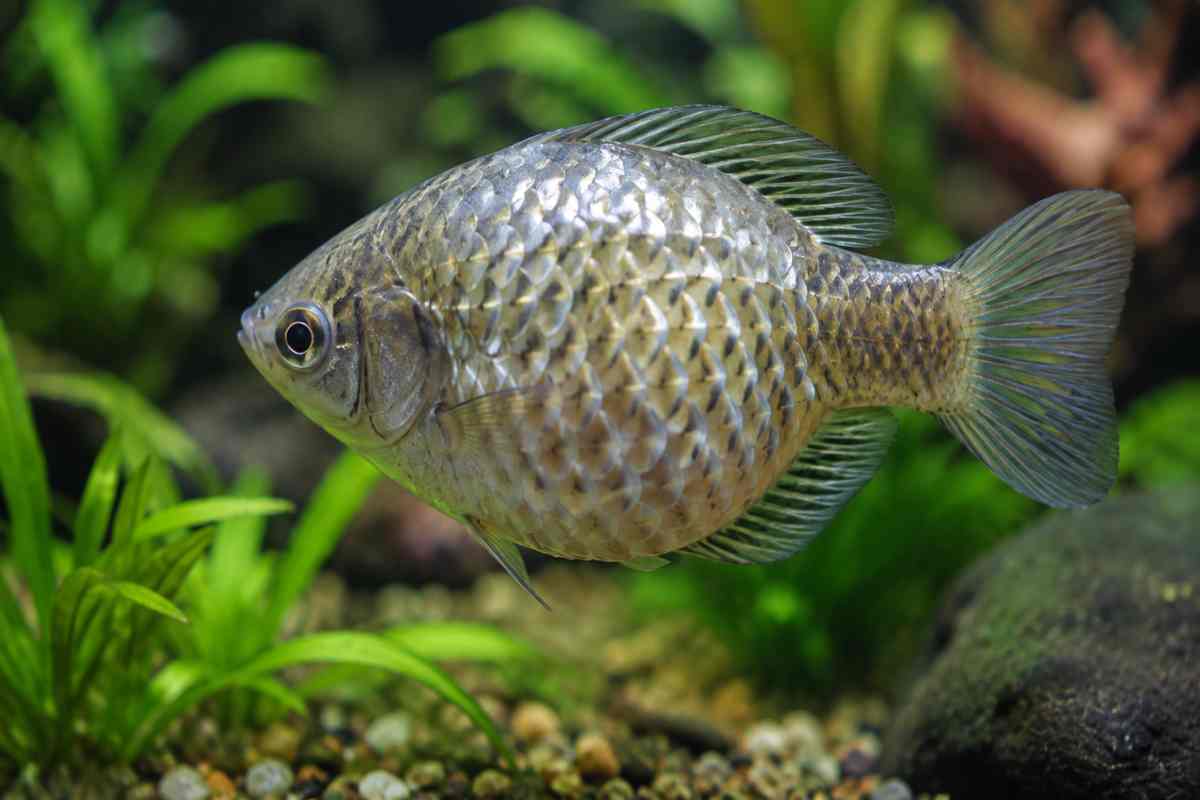
Dropsy in fish is not a disease itself. It is a symptom, a visible sign that a fish’s kidneys or gills have stopped working properly, causing fluid to accumulate in the body cavity and tissues. The result is a swollen belly, scales that stick outward instead of lying flat, and in advanced cases the classic “pinecone” appearance the condition is best known for.
Because dropsy is a symptom rather than a single illness, treating it successfully means identifying and addressing the underlying cause of the fluid retention. That distinction is the single most important thing to understand before doing anything else.
Why Does Dropsy Happen?
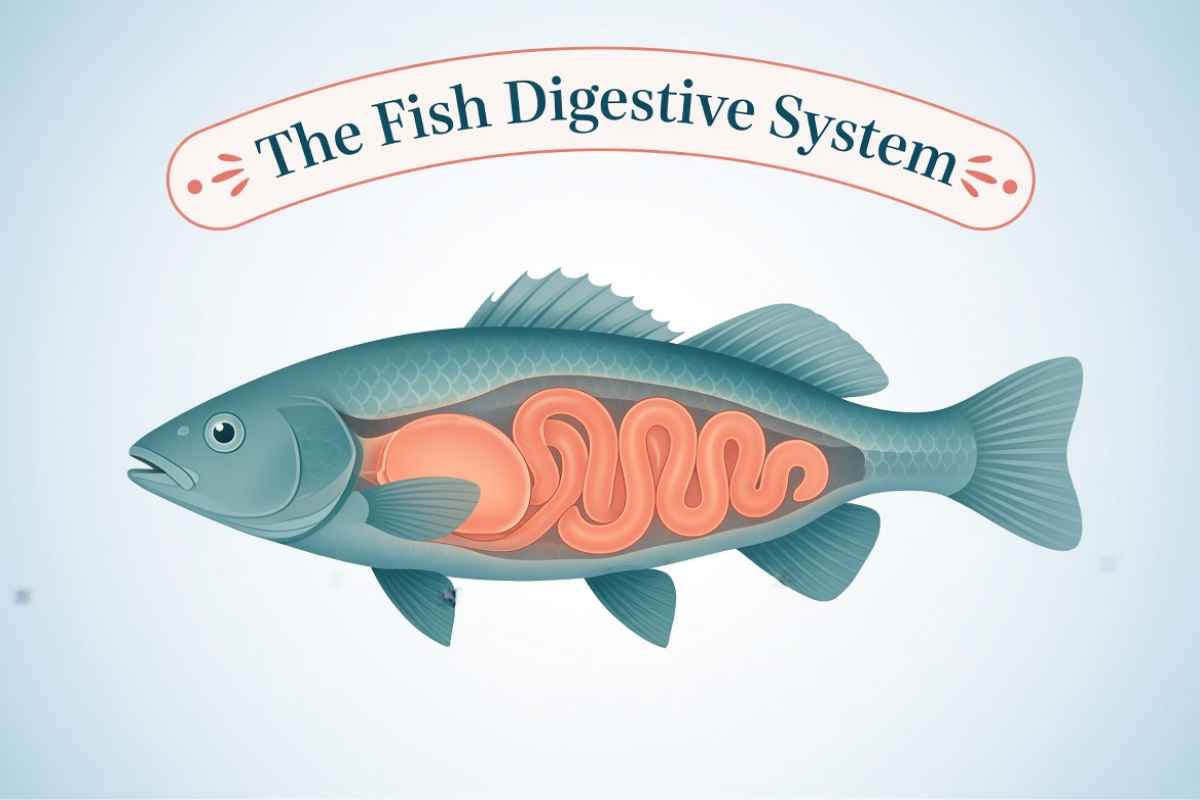
To understand dropsy, it helps to grasp a basic fact of freshwater fish biology: their bodies are saltier than the surrounding water. Through a process called osmosis, water constantly moves into a freshwater fish’s body through the gills and skin, trying to equalize the concentration difference.
A healthy fish deals with this nonstop influx of water using its kidneys, which filter the blood and excrete the excess as dilute urine. This is a constant, active job. When the kidneys are damaged or overwhelmed, usually by a bacterial infection, they can no longer keep up with the incoming water. Fluid accumulates in the body cavity and between the scales, resulting in dropsy.
This is why dropsy is so strongly associated with internal bacterial infections rather than something a fish simply “catches” like a surface parasite. According to the USGS National Wildlife Health Center, this fluid buildup, technically called coelomic distension or ascites, is generally a sign of an underlying, often multisystemic disease process rather than a standalone condition.
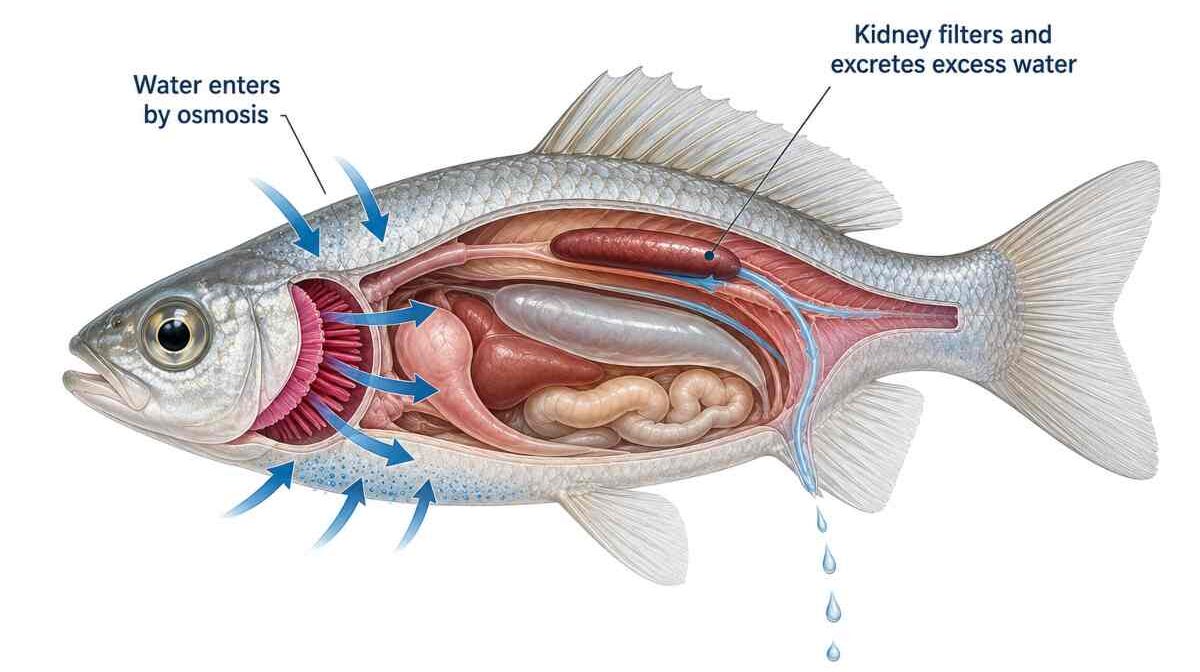 How osmosis and the kidney regulate water balance in freshwater fish.
What Does Dropsy Look Like?
Early Signs
- Slight swelling of the belly
- Faint loss of appetite
- Mild lethargy or hiding more than usual
- Scales beginning to lift very slightly, often only visible from above
Advanced Symptoms
- Pronounced abdominal bloating
- Scales protruding outward in a pinecone pattern
- Bulging or protruding eyes
- Pale or stringy feces
- Clamped fins
- Pale or reddened gills
- Curvature of the spine
- Complete loss of appetite and movement
The gap between early and advanced symptoms matters because it directly affects the outlook. A fish caught in the early stage, still eating and only mildly swollen, has a meaningfully better chance of recovery than one already showing the full pinecone presentation.
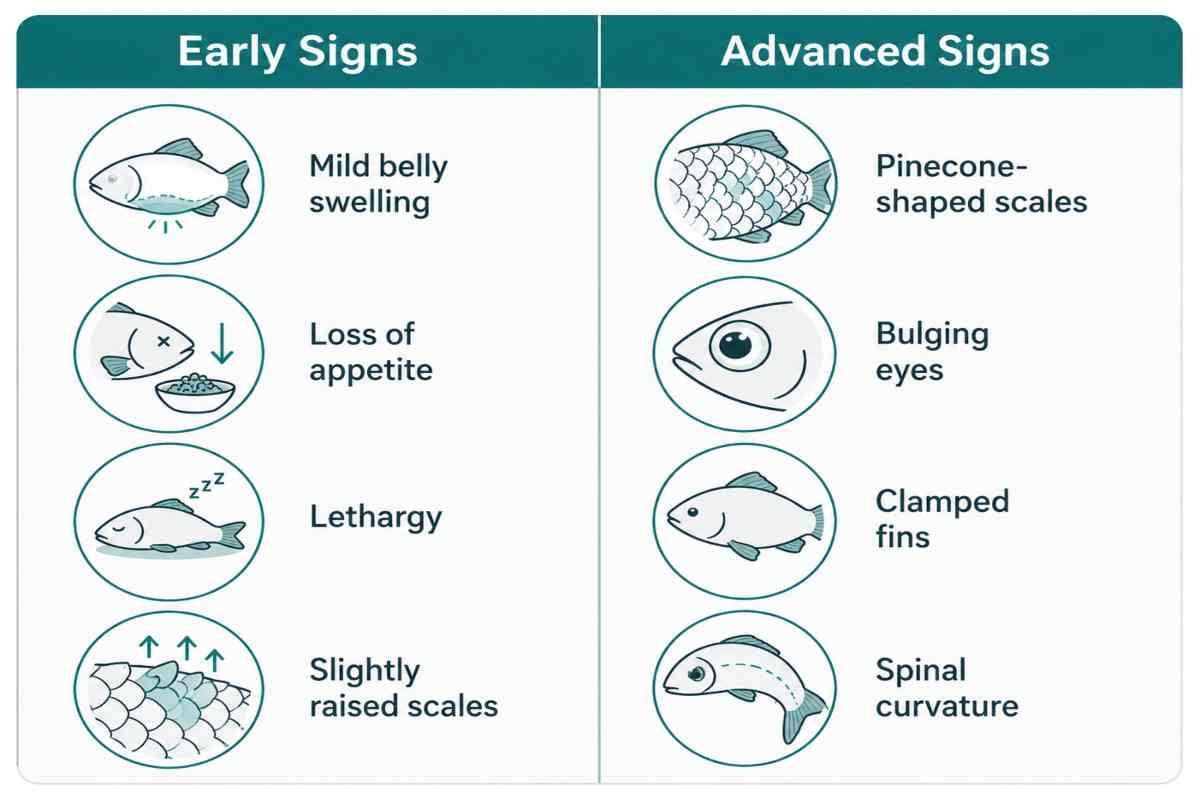 Early vs. advanced dropsy symptoms at a glance.
Is It Dropsy, or Something Else?
Not every swollen fish has dropsy. Several other conditions cause similar bloating and are frequently misdiagnosed as dropsy by hobbyists searching online.
| Condition | Key Difference From Dropsy |
|---|---|
| Egg-bound or gravid female | Swelling is smooth and even, scales stay flat, fish remains active and eating normally |
| Constipation or bloat | Swelling is usually localized to the belly only, scales stay flat, often resolves after fasting or feeding peas |
| Internal tumor or growth | Swelling tends to develop slowly over weeks or months and may be asymmetrical or lopsided |
| True dropsy | Scales protrude outward, often paired with bulging eyes, clamped fins, and lethargy |
The scale test is the most reliable way to tell these apart. Viewed from directly above, a fish with true dropsy shows scales sticking outward in a pinecone shape. A fish with bloat, constipation, or eggs will still have flat, smooth scales despite the swelling.
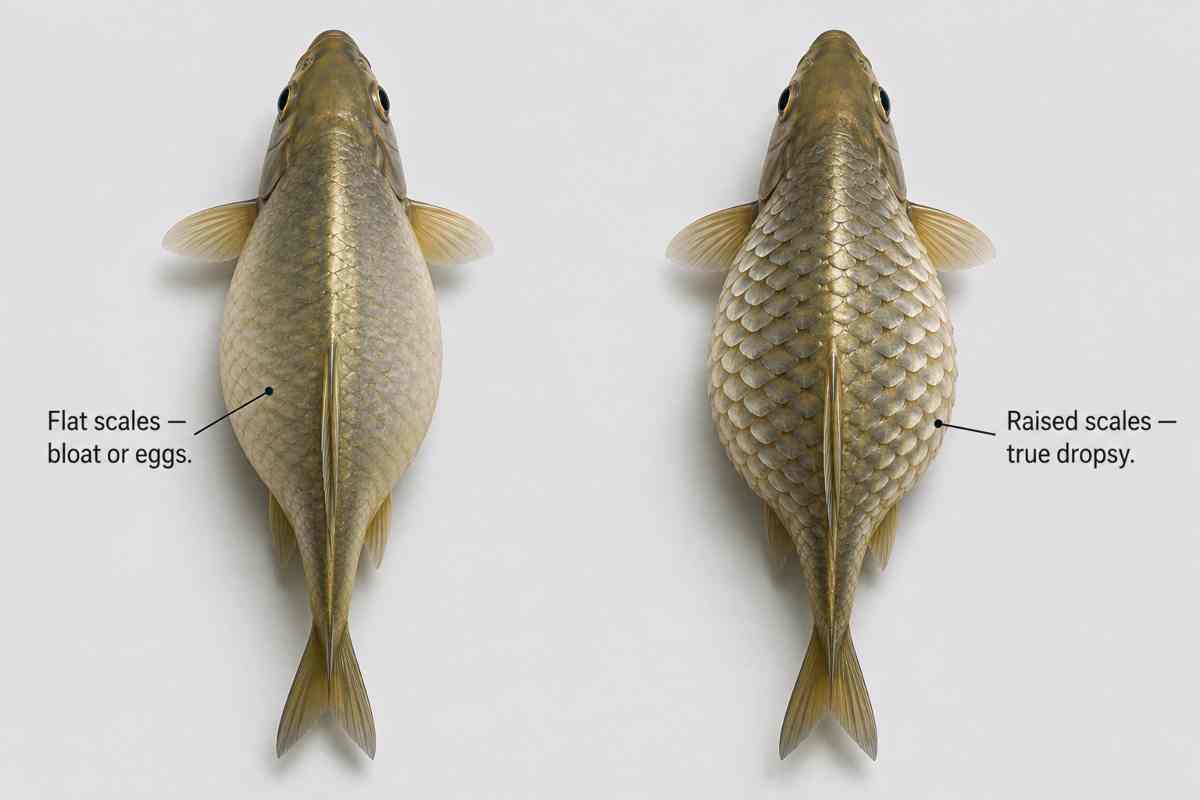 Flat scales vs. raised scales: the real dropsy scale test.
What Causes Dropsy in Fish?
Dropsy is almost always the visible end stage of one of the following underlying problems:
- Bacterial infection. The most common cause. Gram-negative bacteria such as Aeromonas and Pseudomonas species, which are present in most aquarium environments, infect the kidneys of a fish whose immune system has already been weakened.
- Chronic poor water quality. Persistent exposure to ammonia, nitrite, or nitrate stresses a fish over time and suppresses its immune defenses, opening the door to infection.
- Sudden water parameter swings. Rapid changes in temperature or pH are well-documented stress triggers that can predispose fish to bacterial diseases associated with dropsy.
- Chronic stress. Overcrowding, aggressive tankmates, or a tank that is too small can keep a fish’s immune system suppressed long-term.
- Poor diet. Nutritional deficiencies and old or spoiled food can contribute to organ dysfunction over time.
- Age and genetics. Older fish and certain selectively bred lines, such as fancy goldfish, are generally more prone to organ failure.
- Underlying organ disease. Liver dysfunction, viral infections, and, in rarer cases, internal parasites or tumors can all cause dropsy-like fluid retention.
In nearly every case, dropsy represents the final stage of a problem that had been building for some time. This is why prevention centers so heavily on consistent water quality rather than any single fix.
Is Dropsy Contagious?
Dropsy itself is not contagious. It is a physical symptom, not an infectious agent. However, the underlying cause often is. If a bacterial infection triggered the fluid buildup, those bacteria can spread to other fish in the same tank, particularly if they are already stressed or immunocompromised.
For that reason, quarantining a fish showing signs of dropsy is standard practice, not because the swelling spreads, but because you cannot always be certain what is causing it until you rule out an infectious cause.
How Is Dropsy Treated?
There is no guaranteed cure for dropsy, and outcomes depend heavily on how early it is caught and how severe the underlying organ damage already is. The following steps reflect the general approach recommended by fish health professionals.
- Isolate the fish in a quarantine tank with clean, stable, well-oxygenated water.
- Test and correct water parameters in the main tank immediately. Ammonia and nitrite should read zero.
- Prepare an Epsom salt bath. A commonly used ratio is 1 to 3 teaspoons of Epsom salt per gallon in the quarantine tank, which helps draw excess fluid from the fish’s tissues via osmosis. This treats the symptom, not the underlying cause.
- Address the likely underlying infection. Since bacterial infection is the most common trigger, a broad-spectrum antibiotic labeled for internal bacterial infections in fish is often used, following the product’s dosing instructions exactly.
- Keep the fish comfortable. Dim lighting, minimal handling, and easily digestible food (if the fish is still eating) reduce additional stress during treatment.
- Monitor daily. Track appetite, swelling, and activity level to judge whether the fish is improving or declining.
When Treatment Fails
If a fish shows no improvement after several days of treatment, has stopped eating entirely, cannot swim upright, or is in visible distress with no realistic path to recovery, many fish health professionals and veterinarians consider humane euthanasia the most responsible choice rather than prolonging suffering. This is a difficult decision, and speaking with an aquatic veterinarian, when available, can help confirm whether recovery is still realistically possible.
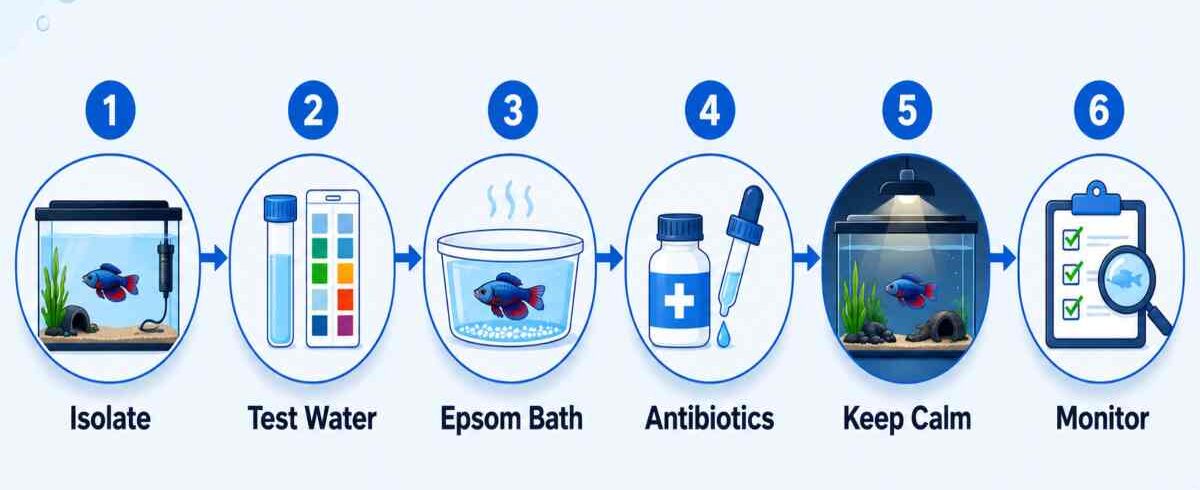 The six-step dropsy treatment process, from isolation to monitoring.
What Is the Survival Outlook?
Honest expectations matter here more than optimism. A fish showing only mild swelling, still eating, and caught within the first day or two of symptoms has a real, if not guaranteed, chance of recovery once the underlying cause is addressed.
A fish already showing the full pinecone appearance, bulging eyes, and a total loss of appetite has usually been dealing with organ failure for some time, and by that point the outlook is poor. This is consistent with what several fish veterinary sources report, since by the time dropsy is visibly obvious, significant internal damage has often already occurred.
How Can Dropsy Be Prevented?
Because dropsy is almost always the result of prolonged stress or poor water quality rather than a sudden random event, prevention is genuinely achievable through consistent basic care.
- Keep ammonia and nitrite at zero and nitrate low through regular water changes.
- Avoid overstocking and overfeeding, both of which drive up bioload and waste.
- Quarantine new fish for two to four weeks before adding them to an established tank.
- Avoid sudden swings in temperature or pH during water changes.
- Feed a varied, high-quality diet appropriate to the species.
- Reduce chronic stressors such as aggressive tankmates or overcrowding.
None of this requires expensive equipment. It requires consistency, which is exactly why dropsy tends to appear in tanks with a history of neglected maintenance rather than tanks with an isolated bad day.
Realted: How to Set Up a Fish Tank
Does Dropsy Look Different in Betta Fish?
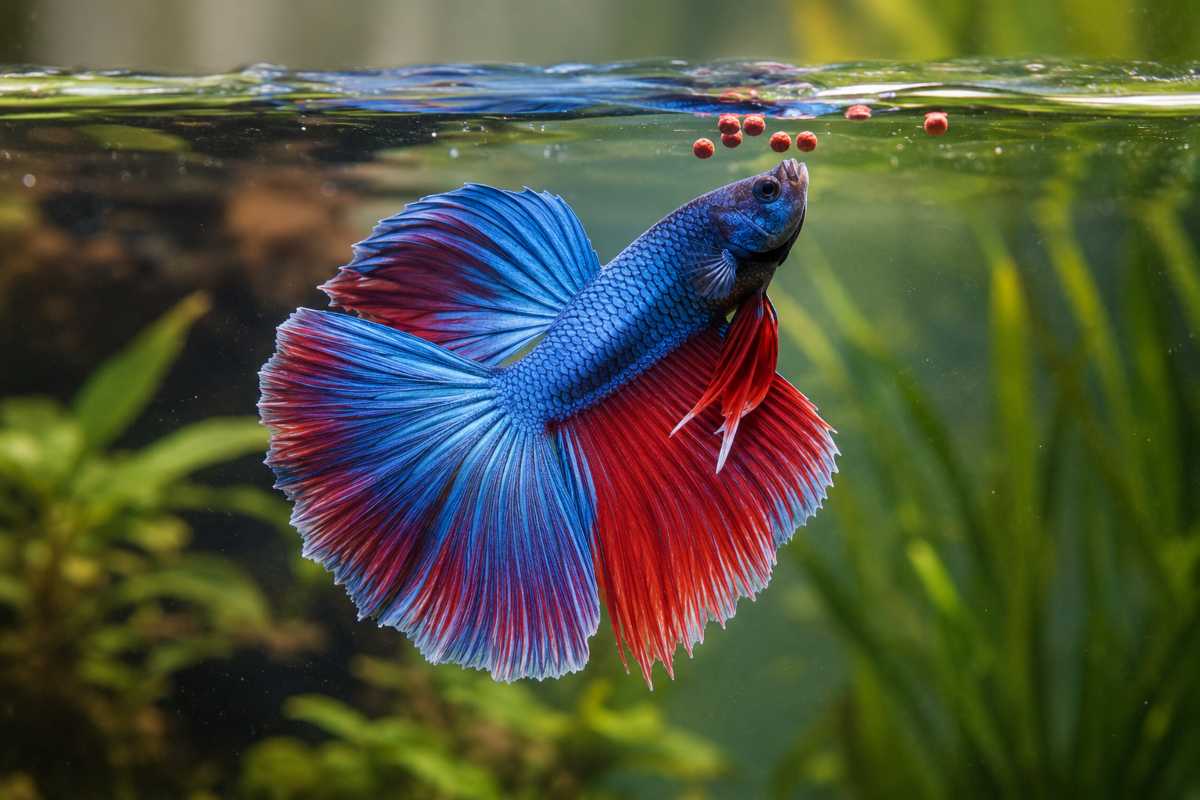
Dropsy can affect bettas, and it tends to show up alongside the same stress and water quality issues that drive most other betta health problems. Because bettas are often kept in smaller, more unstable volumes of water, ammonia spikes and temperature swings play an outsized role in setting the stage for the bacterial infections that underlie most cases. A dedicated look at betta-specific dropsy symptoms, causes, and treatment considerations covers this in more depth.
Does Dropsy Look Different in Goldfish?
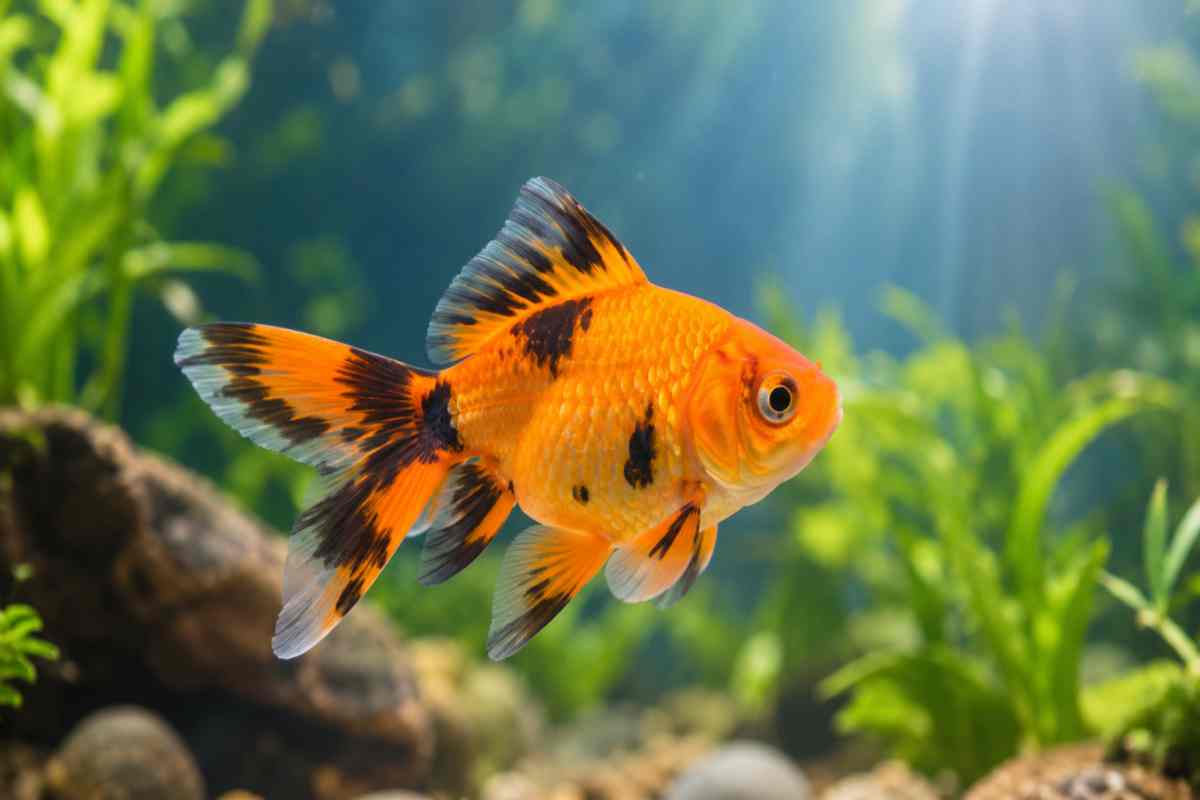
Goldfish are disproportionately affected by dropsy compared to most other freshwater aquarium fish, largely due to their high waste output, cold-water husbandry needs, and the genetic vulnerabilities common in heavily selectively bred fancy varieties. A separate, goldfish-focused guide addresses the specific risk factors and treatment nuances that make this species worth covering on its own.
Frequently Asked Questions
Is dropsy fatal?
It can be, especially once advanced. Early-stage cases that are still eating and only mildly swollen have a real chance of recovery if treated promptly.
Can dropsy be cured, and can I treat it at home?
Sometimes, if caught early. Home treatment involves isolation, water quality correction, an Epsom salt bath, and often an antibiotic, but there is no guaranteed cure.
Does dropsy spread to other fish?
The swelling itself does not spread, but the bacterial infection behind it often can. Quarantine the affected fish as a precaution.
How long does a fish live with dropsy?
There is no fixed timeline—some fish decline within days once symptoms are advanced, while others stabilize for weeks with treatment.
Is dropsy painful, and does it happen suddenly?
Fish with dropsy show clear signs of distress, such as loss of appetite and reduced movement. It can look sudden, but the underlying organ damage usually builds for days or weeks first.
Can water changes alone fix dropsy?
No. Water changes will not reverse dropsy on their own, but correcting poor water quality is an essential part of any treatment plan.
References
- USGS National Wildlife Health Center, Coelomic Disorders of Fishes
- PetMD, Dropsy in Fish: Symptoms and Treatment Guide