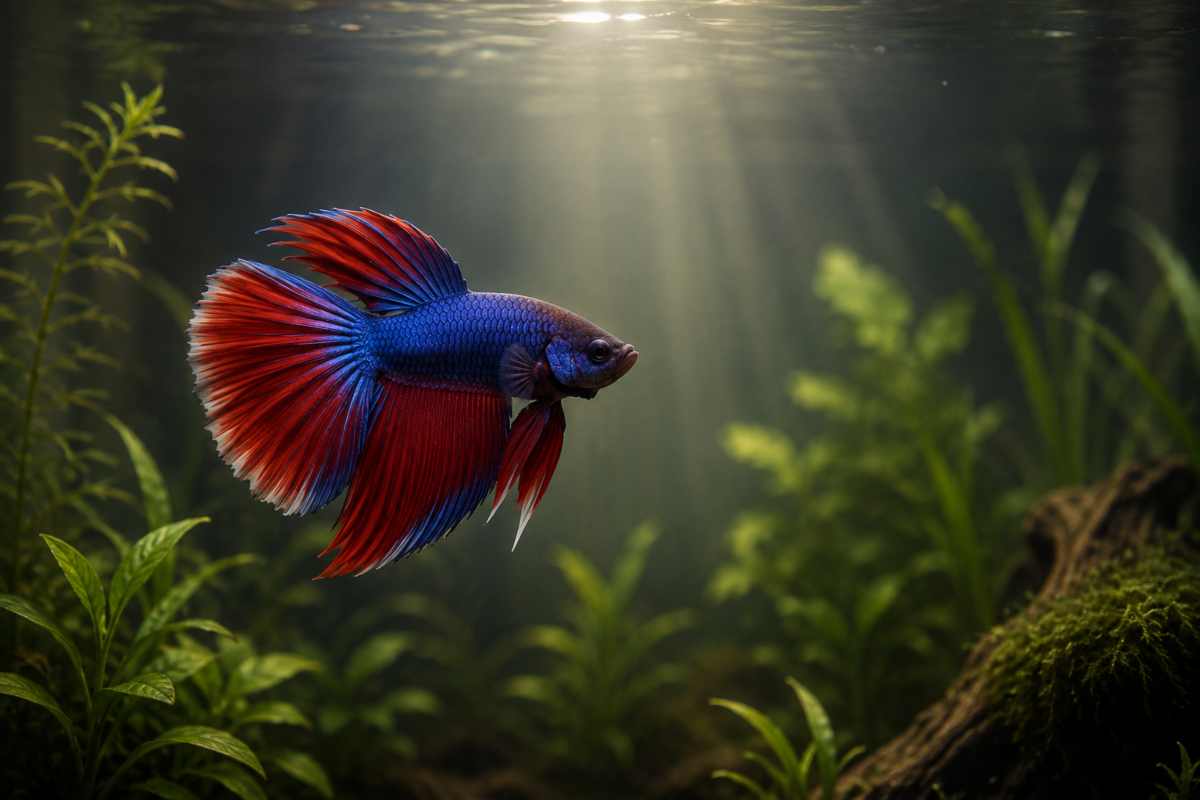
A healthy adult betta fish can safely go without food for 3 to 5 days without negative effects and can technically survive 10 to 14 days in stable, well-maintained water. That upper range is a survival limit, not a healthy one. Fry, juveniles, sick fish, and pregnant or breeding females should never be fasted beyond 24 hours, since they have far smaller energy reserves to draw from.
The rest of this guide breaks down exactly what happens inside a betta’s body at each stage of fasting, how long is genuinely safe depending on the fish’s age and health, and what actually to do before and after leaving your betta without food, whether that is planned or accidental.
Key Takeaways
- A healthy adult betta can go 3 to 5 days without food comfortably, and up to 10 to 14 days in an emergency without dying, though this is stressful and not recommended.
- Betta fry and juveniles should never go more than 12 to 24 hours without food, since they lack meaningful fat reserves.
- A sick, thin, or stressed betta should not be intentionally fasted at all unless a veterinarian advises it.
- A weekly one-day fast is different from an emergency fast. It is a deliberate, healthy practice used by experienced keepers, not a survival test.
- When you return from an absence, resume normal portions immediately rather than feeding a larger meal to make up for missed days.
How Long Can An Adult Betta Fish Safely Go Without Food?
For a healthy adult betta living in a properly cycled tank, 3 to 5 days without food causes essentially no measurable harm. This is well within the range their bodies evolved to handle, since wild bettas in Southeast Asian rice paddies and slow-moving streams regularly go through stretches where insect prey is scarce.
Extend that window to 7 to 10 days, and the fish is still very unlikely to die, but it is no longer a neutral experience. Energy reserves are being depleted, activity and color often dim slightly, and the immune system begins to weaken. Push past 10 to 14 days, and a betta is now firmly in survival mode: muscle tissue is being broken down for fuel, organ stress increases, and the risk of secondary infection or death rises sharply.
The practical takeaway is that “can survive” and “should go through” are two very different numbers. A betta can often survive two weeks without food. It should rarely, if ever, actually be pushed that far on purpose.
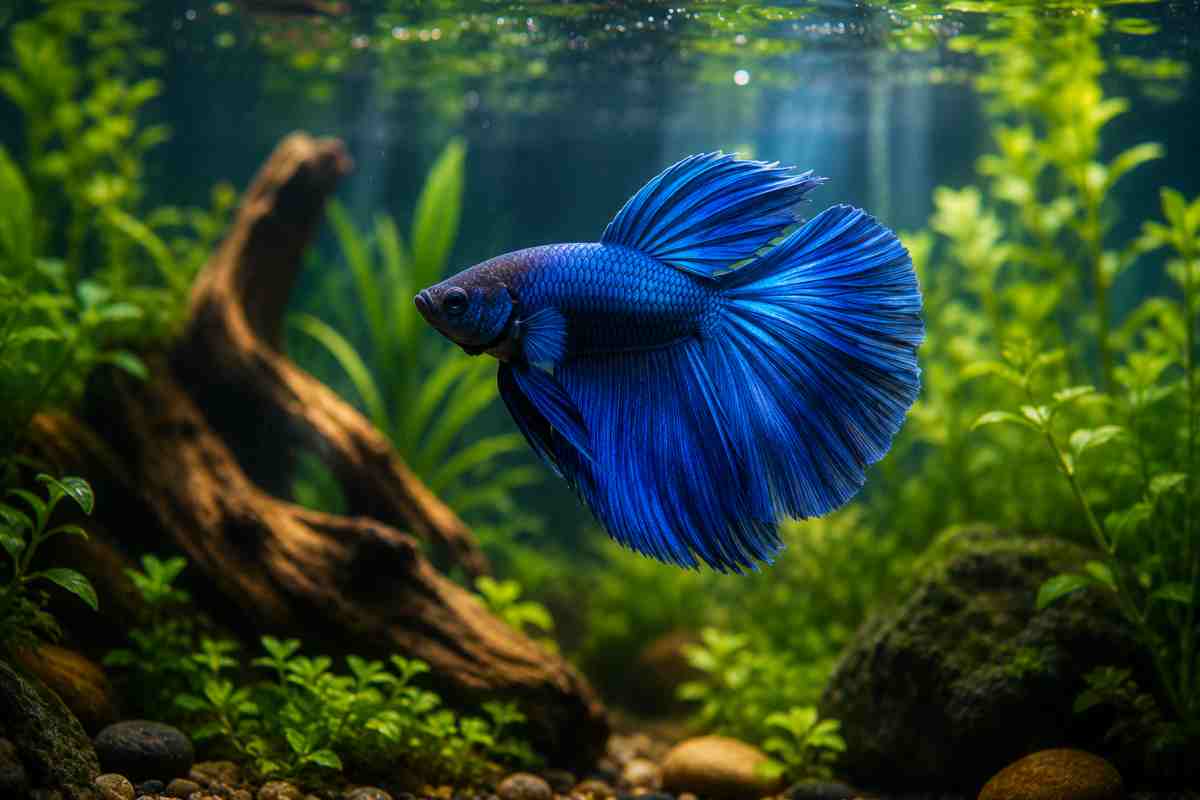
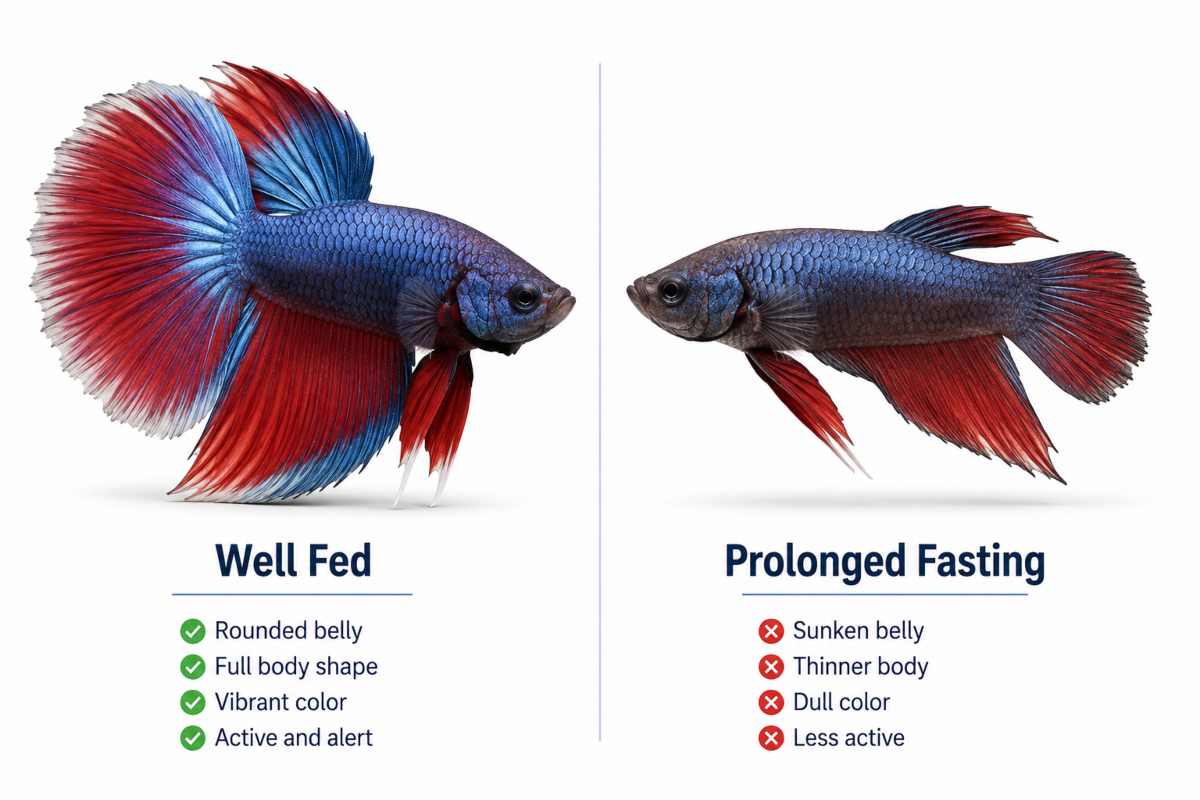 Well-fed vs. fasting betta: the visible differences to watch for.
What Happens Inside A Betta’s Body When It Stops Eating?
Fasting triggers a predictable physiological sequence. Understanding it helps explain why the early days are harmless while the later days are genuinely risky.
| Time Without Food | What’s Happening Internally | Visible Signs |
|---|---|---|
| Days 1 to 3 | The body draws on recently digested food and stored glycogen | Typically none; normal activity and appetite on return |
| Days 4 to 7 | The body shifts to burning stored fat reserves | Slightly reduced activity may begin to appear |
| Days 7 to 10 | Fat reserves start running low; the immune system begins weakening | Color may look a little duller, less eagerness at feeding time |
| Days 10 to 14 | The body starts breaking down muscle tissue for energy | Visible thinning, especially around the head and belly, noticeably reduced activity |
| Beyond day 14 | Immune collapse and organ stress become significant risks | Lethargy, clamped fins, high vulnerability to infection |
This timeline assumes a healthy adult betta in stable, clean, appropriately warm water. Poor water quality, cold temperatures, or an underlying illness can accelerate every stage.
How Long Can Betta Fry And Juveniles Go Without Food?
This is where most general fasting advice falls apart, because it is written with adult fish in mind. Fry and juveniles are an entirely different situation.
Newly hatched fry survive on their yolk sac for the first few days of life and genuinely need nothing else during that window. But once that yolk sac is absorbed and the fry moves on to external food such as infusoria or baby brine shrimp, the rules change fast. Fry and young juveniles have almost no fat reserves and extremely high metabolic demands to support rapid growth, so they should not go more than 12 to 24 hours without food. A missed day at this stage is not a minor inconvenience; it can meaningfully stall growth and, in more extreme cases, threaten survival.
If you are raising betta fry, plan feeding coverage the same way you would for a newborn animal: assume there is essentially no safe margin for skipped meals.
How Long Can A Sick Or Stressed Betta Fish Go Without Food?
A sick, injured, thin, or heavily stressed betta should generally not be intentionally fasted at all unless a fish veterinarian specifically advises it. Aquatic veterinary practices note that withholding food from an already compromised fish deprives it of the nutritional support it needs to fight infection and repair tissue, which can slow recovery and worsen outcomes rather than improve them.
This matters for a common real-world scenario: a sick betta that has stopped eating on its own. In that case, the lack of appetite is a symptom to investigate, not something to wait out simply. Reviewing water parameters and temperature stability, and checking for visible signs of illness, should happen immediately, since the longer an already-sick fish goes without nutrition, the harder recovery becomes.
What Are The Signs Of Starvation In A Betta Fish?
Watch for this cluster of signs together rather than any single one in isolation, since some can also indicate illness unrelated to feeding:
- A visibly sunken or concave belly, rather than the normal gentle curve
- Noticeably faded or dull coloration compared to the fish’s usual appearance
- Reduced activity, less interest in exploring or interacting at the glass
- Clamped fins held close to the body
- Little to no response when food is finally reintroduced
If these signs appear alongside a known extended fast, resuming a normal, gentle feeding routine typically resolves things over the following days. If they appear without an obvious fasting explanation, it points toward illness or a water quality problem instead, and that should be investigated directly.
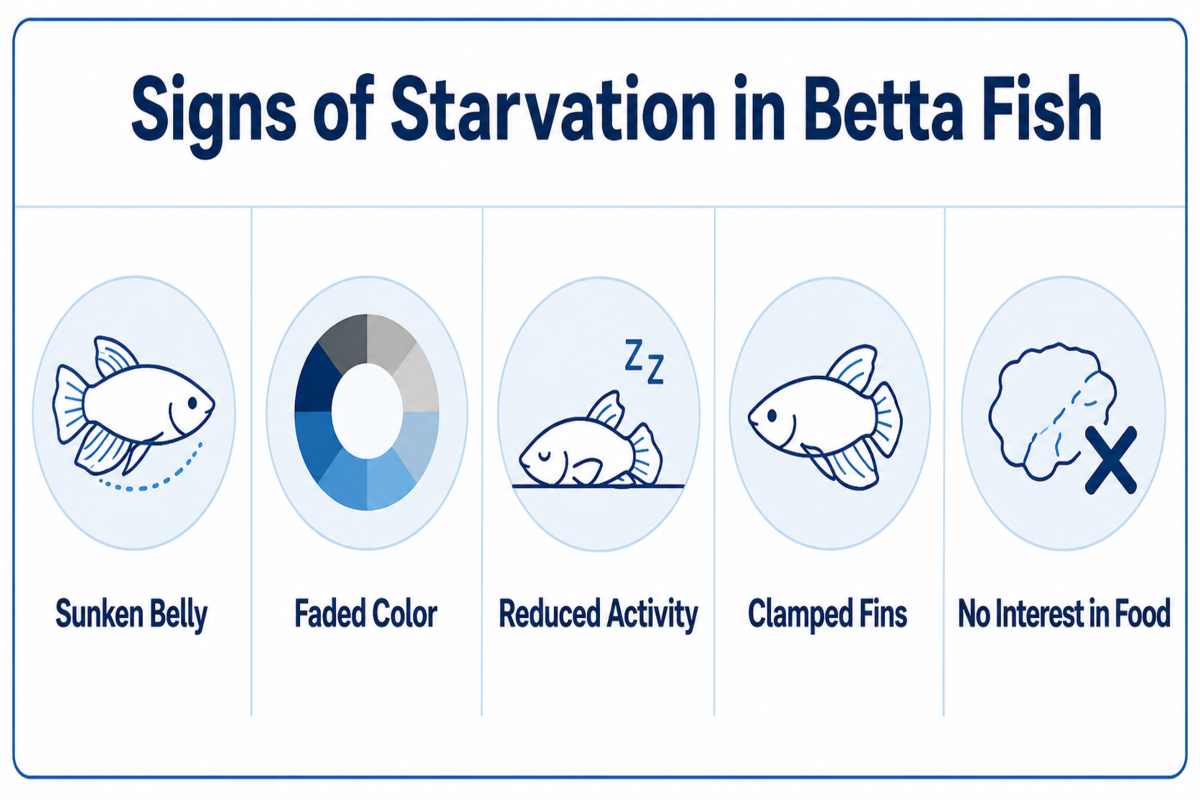
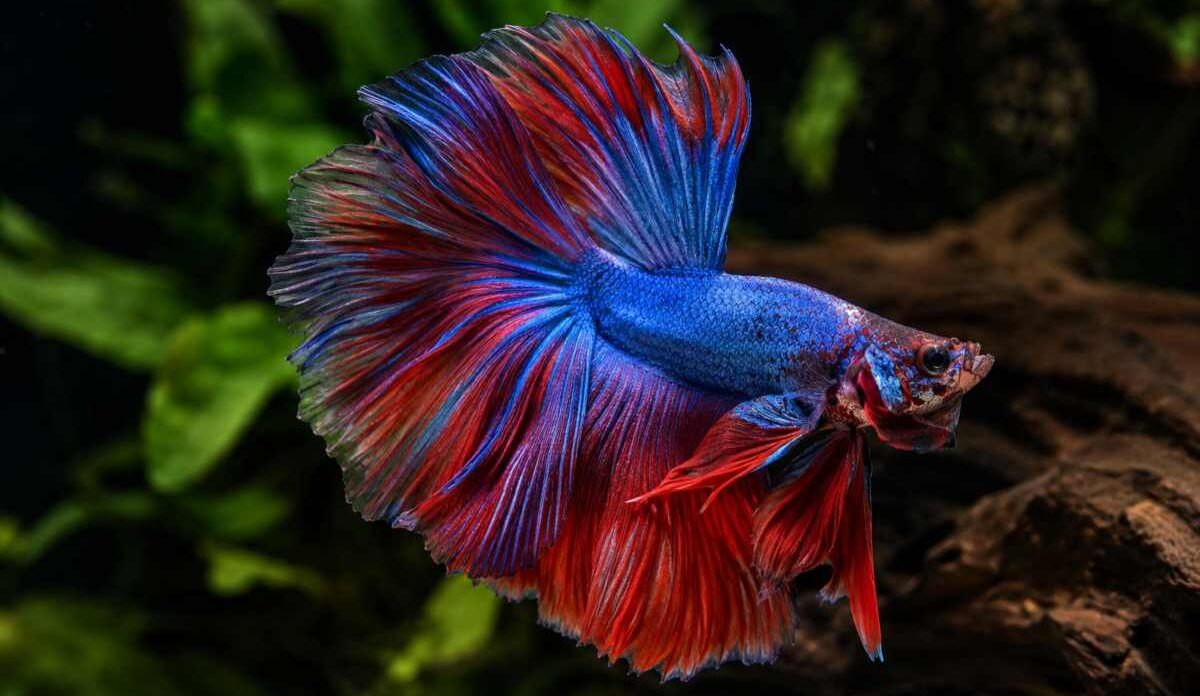
Five warning signs that a betta fish has gone too long without food.
Should You Fast A Betta Fish On Purpose?
Yes, and this is worth separating clearly from emergency or accidental fasting. Many experienced keepers intentionally build a single fasting day into their betta’s weekly routine. This is not the same physiological event as being left unfed for a week while on vacation. A planned 24-hour fast simply gives the digestive tract time to process any backlog before the next feeding resumes fully, and it is one of the simplest ways to reduce the risk of bloating and constipation over the long run.
The distinction matters: a weekly fasting day is a deliberate, short, healthy habit. An extended, unplanned fast of a week or more is a stress event the fish’s body is enduring, not a wellness practice.
How Should You Prepare A Betta’s Feeding Before Leaving For A Trip?
- Feed normally right up until you leave. Do not overfeed beforehand to try to “stock up” the fish. Bettas cannot store meaningful extra nutrients from a single oversized meal, and the uneaten excess just fouls the water.
- For trips of 3 to 5 days, most healthy adult bettas do not need to be fed.
- For trips of 5 to 10 days, a trusted person pre-measuring exact portions, or a well-tested automatic feeder, is a safer bet than assuming the fish will be fine unsupervised the entire time.
- Avoid vacation feeder blocks that slowly dissolve in the tank. They frequently release food unevenly, and the residue that isn’t eaten can degrade water quality faster than missed meals would have on their own.
- Prioritize water stability over feeding coverage. A working heater and filter matter more to a betta’s safety during an absence than exactly how many days it goes without a meal.
What Should You Do When You Return?
Resume the normal feeding amount and schedule immediately. Do not offer a larger portion to make up for missed days. A betta’s stomach does not expand to compensate for lost time, and a sudden oversized meal after a fast is a common trigger for bloating and digestive distress, sometimes worse than the fast itself. If your betta shows little to no interest in food within 24 hours of a normal-sized offering, that is worth investigating rather than waiting it out, since it can indicate a water quality issue that developed during the absence.
Why Is Overfeeding More Dangerous Than Underfeeding?
This is one of the more counterintuitive facts in betta care, but it holds up consistently: far more bettas run into health problems from overfeeding than from a missed meal or two. A betta’s stomach is roughly the size of its own eye, and uneaten food doesn’t just go to waste; it decomposes and drives up ammonia, which stresses every fish in the tank. Meanwhile, the fish itself is prone to bloating, constipation, and swim bladder problems from excess volume long before starvation becomes a realistic concern. If you are ever choosing between risking a slightly smaller portion or a slightly larger one, the smaller portion is almost always the safer choice.
Final Thoughts
A healthy adult betta has real resilience built into its biology, but “can survive” and “should experience” are not the same standard. Three to five days without food is genuinely fine. Ten to fourteen days is a true upper limit, not a target. Fry, juveniles, and sick fish need a much shorter leash on fasting than adults do. Whether you’re planning a trip or troubleshooting a fish that suddenly stopped eating, the safest approach is almost always the same one that The Fish Care recommends across every feeding topic: err on the side of slightly less food and more attention to water stability, rather than risking an oversized meal to compensate for lost time.
Frequently Asked Questions (FAQs)
Can I leave my betta fish alone for a week without feeding it?
For a healthy adult betta in a stable, cycled tank, a week without food is generally survivable, but it is not the safest choice. If the trip runs 5 days or longer, arranging a pre-measured feeding from a trusted person or a tested automatic feeder is the better option.
Will my betta fish starve if it stops eating for 2 days?
No. Two days without food is well within the safe range for a healthy adult betta and typically causes no noticeable effects at all.
How long can a baby betta fish go without eating?
Betta fry and young juveniles should not go more than 12 to 24 hours without food, since they have very little in the way of fat reserves and grow quickly.
Is it bad to fast a betta fish once a week?
No, a single planned fasting day per week is a common and generally beneficial practice among experienced keepers. It supports digestion and is unrelated to the risks of an extended, unplanned fast.
Why did my betta fish stop eating even though I feed it every day?
Appetite loss despite regular feeding usually points to stress, illness, or a water quality issue rather than the food itself. Checking temperature stability and water parameters is a reasonable first step before assuming anything more serious.
Can a betta fish die from not eating?
Yes, but typically only after an extended period well beyond two weeks of complete fasting, and usually in combination with poor water conditions or an underlying health issue rather than the lack of food alone.
References
- Fish Vet, Aquatic Veterinary Services — “When Is Fasting Sick Fish Necessary? Quick Answer: Never.” cafishvet.com/fish-health-disease/fasting-sick-fish
- Chewy, veterinarian reviewed — “How Long Can Fish Go Without Food?” chewy.com/education/fish/health-and-wellness/how-long-can-fish-go-without-food