Yes, dropsy can affect betta fish, and it tends to hit them harder and faster than many other species. This is mostly a consequence of how bettas are typically kept: in small tanks where water quality can shift quickly, with limited room for error once a bacterial infection takes hold.
Dropsy itself is not a disease. It is a symptom, a sign that a fish’s kidneys have stopped filtering water properly, causing fluid to build up inside the body. In bettas, this shows up as a swollen belly and scales that begin to stick outward instead of lying flat.
Key Takeaways
- Dropsy is a symptom of kidney failure, not a standalone disease, and small betta tanks make it develop faster than in larger setups.
- A swollen belly with flat scales is more likely bloat or eggs; scales sticking outward in a pinecone pattern confirms true dropsy.
- Bacterial infection is the most common underlying cause, typically triggered by fluctuating temperatures or poor water quality in an uncycled tank.
- Early-stage cases that are still eating have a real chance of recovery; advanced cases with raised scales and no appetite generally do not.
- A properly cycled, heated tank of at least five gallons remains the most effective prevention.
Why Are Bettas Especially Prone to Dropsy?
Bettas are usually housed in tanks between two and ten gallons, sometimes smaller. A small water volume has far less capacity to dilute ammonia or bacteria, so problems that would take days to become dangerous in a large tank can happen in a fraction of that time in a betta bowl or nano tank.
Many betta owners also keep their fish without a heater or filter, especially in smaller setups. Unstable temperatures and unfiltered waste both suppress a fish’s immune system, which is exactly the condition that allows the bacterial infections behind most cases of dropsy to take hold.
Long-finned show-quality bettas add another layer of risk. Fin damage and stress from fin rot or fin biting can serve as entry points for the same bacteria, tying betta dropsy loosely to other common betta health problems rather than treating it as an isolated event.
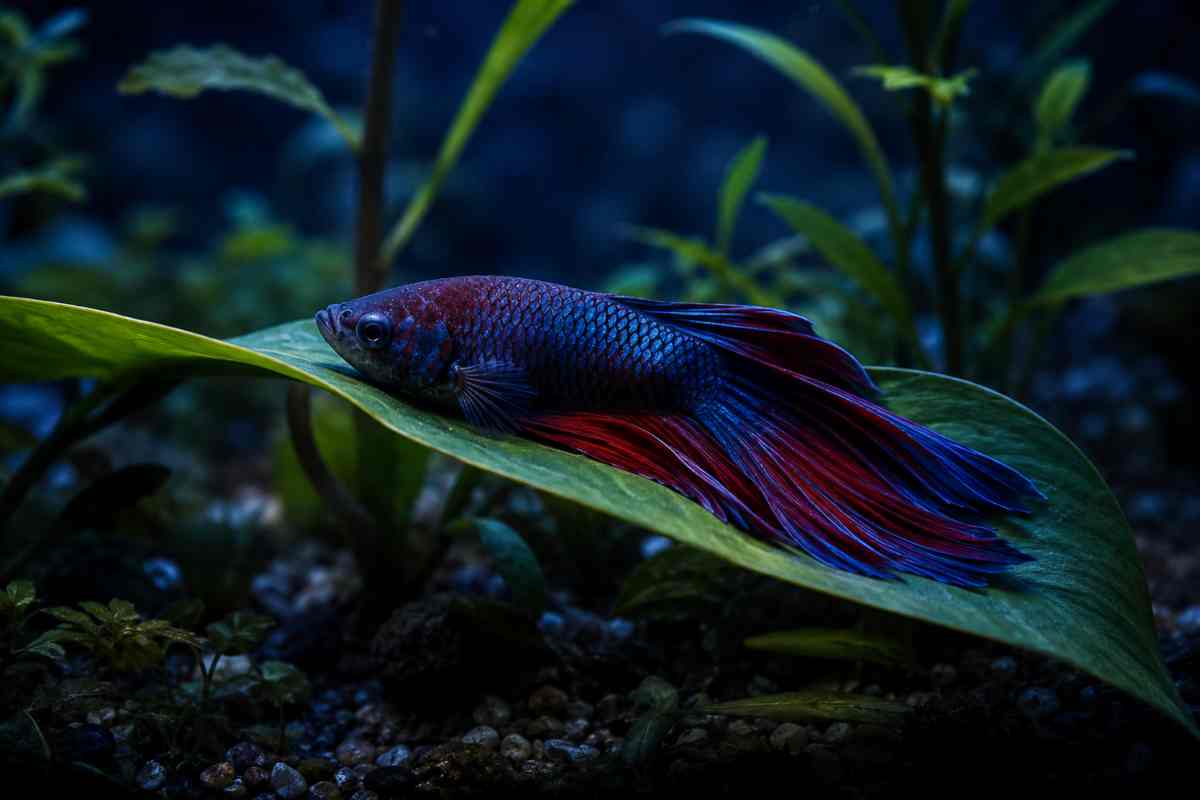
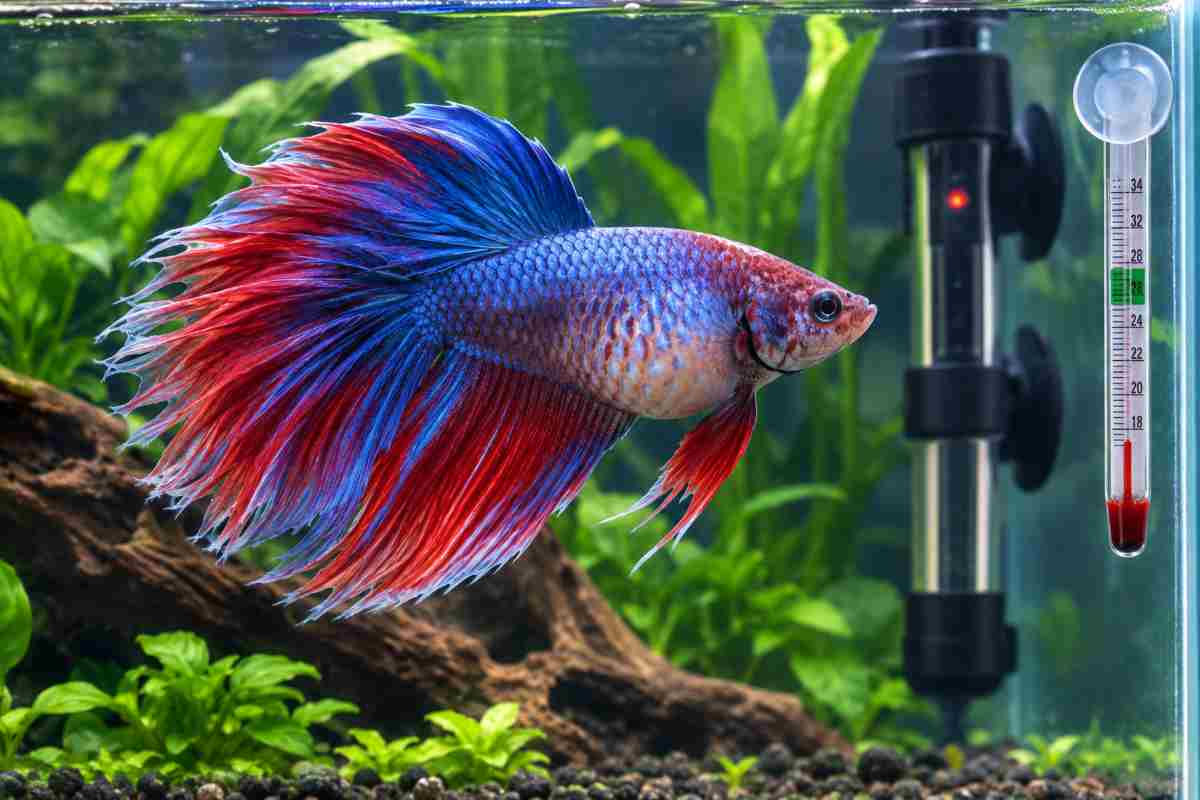 Early dropsy symptoms in a betta, easy to miss in a small tank.
What Does Dropsy Look Like in a Betta?
Early Signs
A betta with early dropsy usually shows a mildly rounded belly, reduced appetite, and more time spent resting near the bottom or hiding behind decor. These signs are easy to miss in a betta specifically, since resting near the surface or bottom is already a normal betta behavior in many otherwise healthy fish.
Advanced Signs
As it progresses, the belly becomes noticeably distended, and the scales begin to protrude outward, giving the condition its pinecone appearance. Clamped fins, sunken or bulging eyes, and a complete refusal to eat typically follow.
Related Reading: For a complete explanation of dropsy, including its causes, symptoms, and treatment, see our guide: What Is Dropsy in Fish?
Is It Dropsy, Bloat, or Eggs? The Betta-Specific Confusion
This is where most betta owners get it wrong, and it is the single most-searched question on this topic. Betta bloat and egg-binding both cause a swollen belly without the kidney failure that defines true dropsy, and both are far more common in bettas than dropsy itself.
| Condition | What Causes It | How to Tell |
|---|---|---|
| Betta bloat | Overfeeding, especially dry pellets or freeze-dried food that expands in the stomach | Belly is round and firm, scales stay completely flat, often resolves within a day or two of fasting |
| Egg-bound female | A female carrying unreleased eggs, sometimes with no male present to spawn with | Belly is smooth and evenly rounded, fish stays active and continues eating normally |
| True dropsy | Kidney failure, usually from a bacterial infection | Scales protrude outward in a pinecone pattern, often paired with lethargy and loss of appetite |
The fastest way to check is to view the fish from directly above. Flat scales despite a swollen belly point to bloat or eggs. Scales sticking outward point to true dropsy.
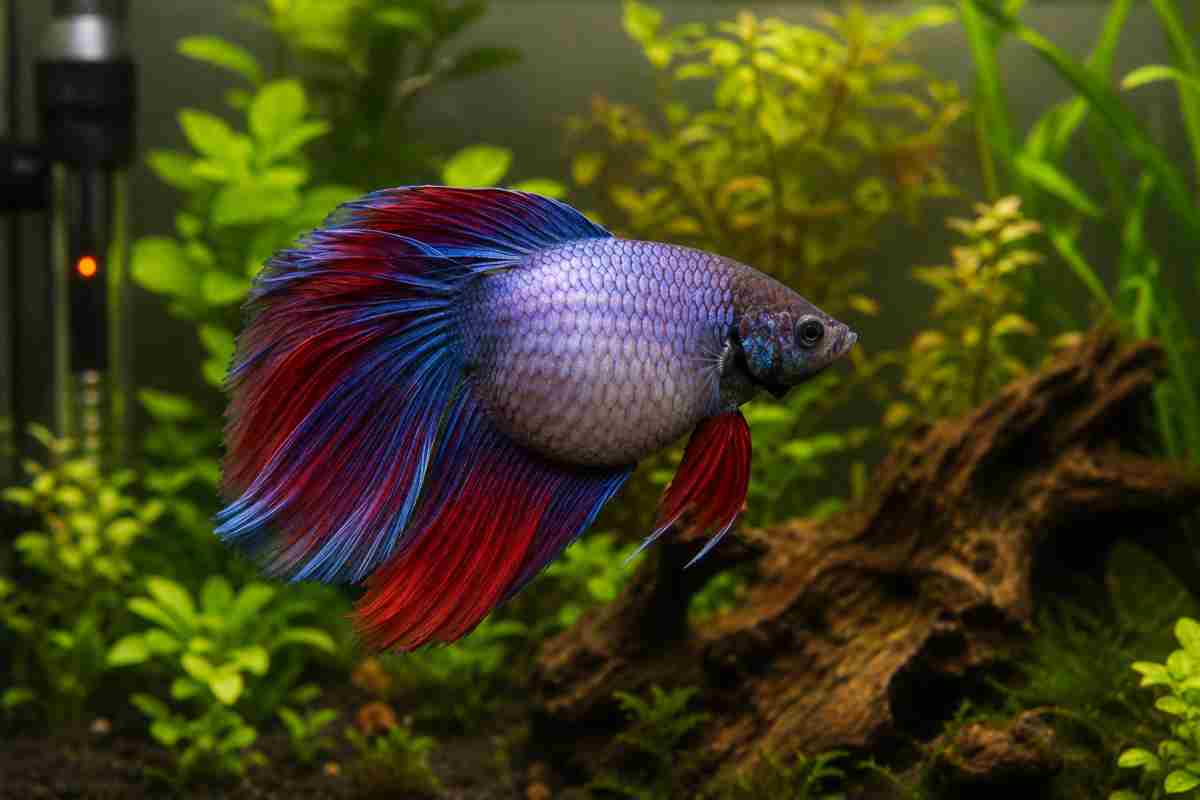
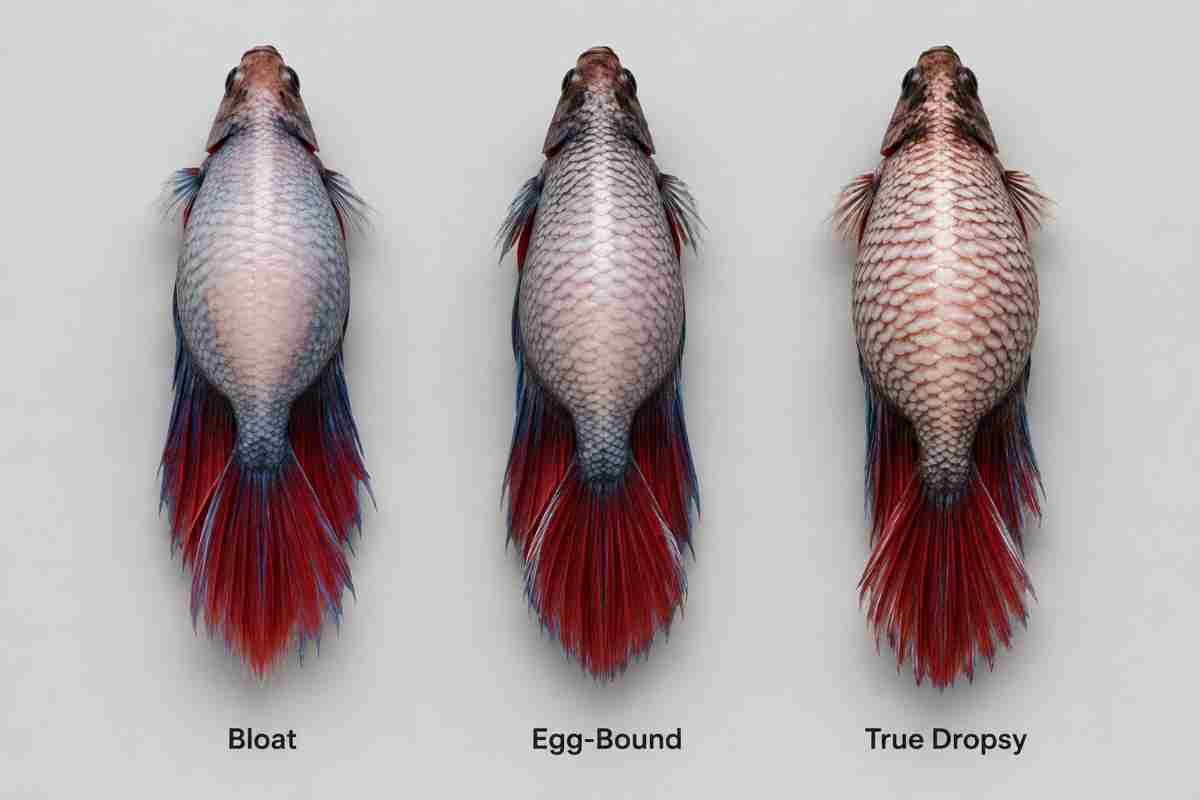 Bloat vs. egg-bound vs. true dropsy: how to tell them apart.
What Causes Dropsy in Betta Fish?
Bacterial infection is the most common underlying cause, usually due to Aeromonas or similar bacteria already present in most tanks that take advantage of a weakened immune system. In bettas, that weakening is most often tied to inconsistent water temperature, ammonia buildup in an uncycled or too-small tank, or chronic stress from an unsuitable environment.
Age plays a role as well. Bettas sold in stores are often already a year or more old by the time they are purchased, and older fish are generally more prone to organ decline, including dropsy.
How Is Dropsy Treated in a Betta?
Treatment follows the same general principles used for any freshwater fish: isolation, water correction, an Epsom salt bath, and often an antibiotic, but a betta’s small size and small tank volume change the practical details.
- Move the betta to a quarantine container of at least one to two gallons, heated to a stable 78 to 80°F.
- Test the main tank’s water and correct any ammonia or nitrite readings above zero immediately.
- Add Epsom salt to the quarantine water at roughly one teaspoon per gallon, on the lower end of the general dosing range, since bettas are more sensitive to concentrated salt baths in small volumes than larger fish.
- If available, use a broad-spectrum antibiotic labeled for internal bacterial infections, dosed strictly according to the product’s instructions for the container’s actual volume.
- Keep the quarantine container dimly lit and undisturbed, and offer a small amount of easily digestible food only if the betta is still interested in eating.
- Check on the fish daily rather than constantly, since repeated netting and handling adds stress a sick betta cannot afford.
A small heater or a reliable way to maintain a stable temperature in the quarantine container matters more here than in a larger hospital tank, since small volumes gain and lose heat far faster.
What Is the Outlook for a Betta With Dropsy?
A betta caught early, still eating with only mild swelling, has a genuine chance of recovery once the underlying cause is treated. Once a betta reaches the full pinecone stage and stops eating, the outlook is generally poor, since that level of visible swelling usually reflects kidney damage that has already progressed too far to reverse.
Given how small and sensitive betta setups tend to be, prevention carries more weight here than in almost any other freshwater fish. If a betta reaches advanced, non-responsive dropsy with no realistic path to recovery, many aquatic veterinarians consider humane euthanasia the more responsible choice over prolonging visible suffering.
How Can Dropsy Be Prevented in a Betta?
Prevention comes down almost entirely to giving a betta a properly set up, properly cycled tank rather than the bowl-style setups with which the species is still often sold. A heated, filtered tank of at least five gallons with stable water parameters removes most of the conditions that allow the underlying bacterial infections to take hold in the first place.
Routine partial water changes, avoiding overfeeding, and not adding new fish without a quarantine period round out the basics. None of this is complicated, but it does need to be consistent, since dropsy in bettas is rarely caused by one bad day and almost always by weeks of marginal water quality.
At The Fish Care, this is one of the most common preventable conditions we hear about from betta owners, and nearly every case traces back to tank size or water stability rather than bad luck.
Frequently Asked Questions
Can a betta survive dropsy?
Yes, if caught early while the fish is still eating and only mildly swollen. Once scales are fully raised and the fish has stopped eating, survival becomes much less likely.
How do I know if my female betta has eggs or dropsy?
Eggs cause a smooth, evenly rounded belly with flat scales and a fish that stays active and eats normally. Dropsy causes the scales themselves to protrude outward, which eggs never do.
Can overfeeding cause dropsy in bettas?
Not directly, but chronic overfeeding degrades water quality and stresses the fish’s organs over time, making a betta more vulnerable to bacterial infections that can cause dropsy.
Is a 1-gallon tank a risk factor for dropsy?
Yes. Very small, unfiltered volumes are far more prone to ammonia spikes and unstable temperatures, which weaken a betta’s immune system and set the stage for dropsy.
Should I treat betta dropsy with salt alone?
An Epsom salt bath can help draw out excess fluid, but it does not address the underlying bacterial infection in most cases. It is best used alongside water correction and, where needed, an antibiotic rather than as a standalone fix.
Continue Reading: Dropsy in Goldfish