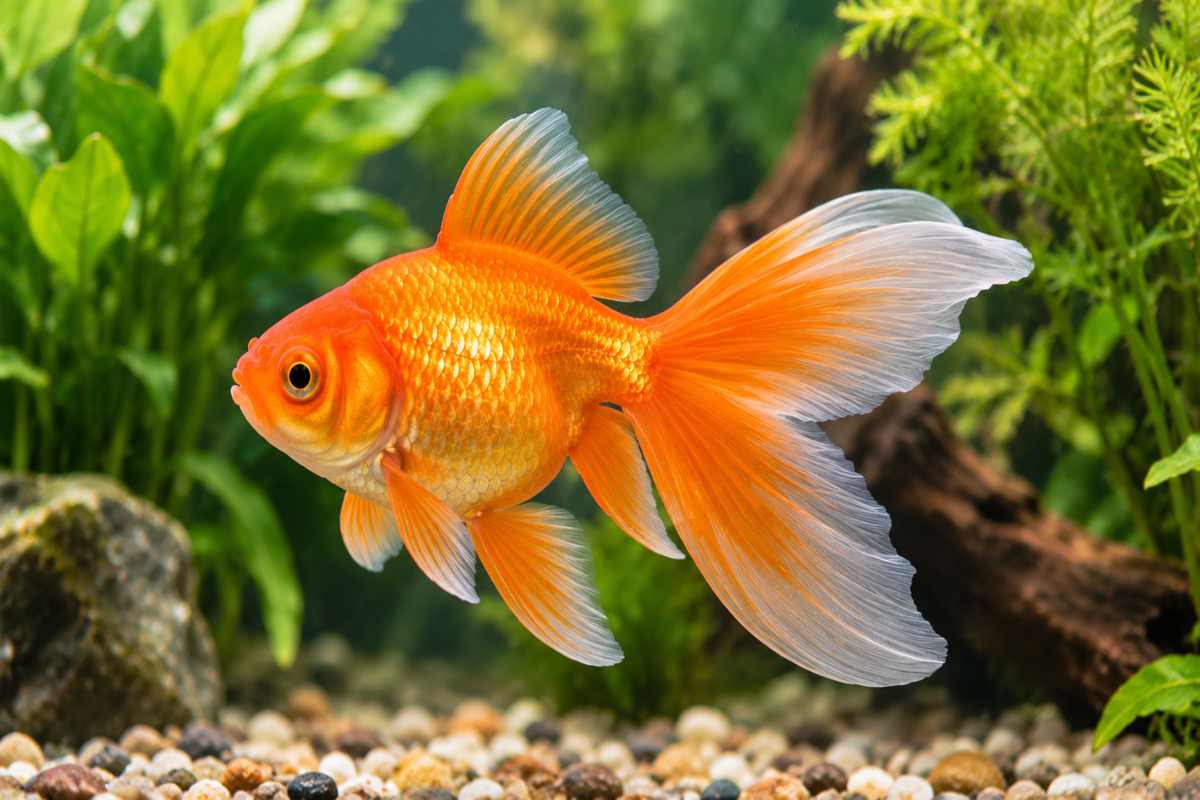
The fantail goldfish is a hardy, beginner-friendly fancy goldfish known for its rounded, egg-shaped body and double-tailed fins. It typically grows 6 to 8 inches long, lives 10 to 15 years with proper care, and needs a minimum 20-gallon tank for a single fish, with 10 more gallons for each additional fantail. Despite its reputation as low-maintenance, it is a heavy waste producer and requires consistently clean, cool water between 65 and 72°F to thrive truly.
This guide covers everything beyond the basics: how to tell a genuine fantail from other fancy varieties, exactly how big a tank you really need and why, diet, common health problems specific to their body shape, tank mate compatibility, and breeding.
Key Takeaways
- Fantail goldfish need far more space than their small size at the pet store suggests. Budget at least 20 gallons for one fish and 10 more gallons for each additional fantail.
- Fantails do not exist in the wild. Every fantail alive today descends from selectively bred common goldfish originally developed in China and Japan.
- Their rounded, compressed body shape makes them more prone to swim bladder issues than slim-bodied goldfish, so feeding habits are especially important.
- Fantails are peaceful but relatively slow swimmers, so they should be housed with other calm, non-nipping tank mates, ideally other fancy goldfish varieties.
- Water quality is one of the biggest factors affecting fantail health and lifespan, making proper filtration, regular water changes, and stable parameters essential for long-term care.
What Exactly Is a Fantail Goldfish?
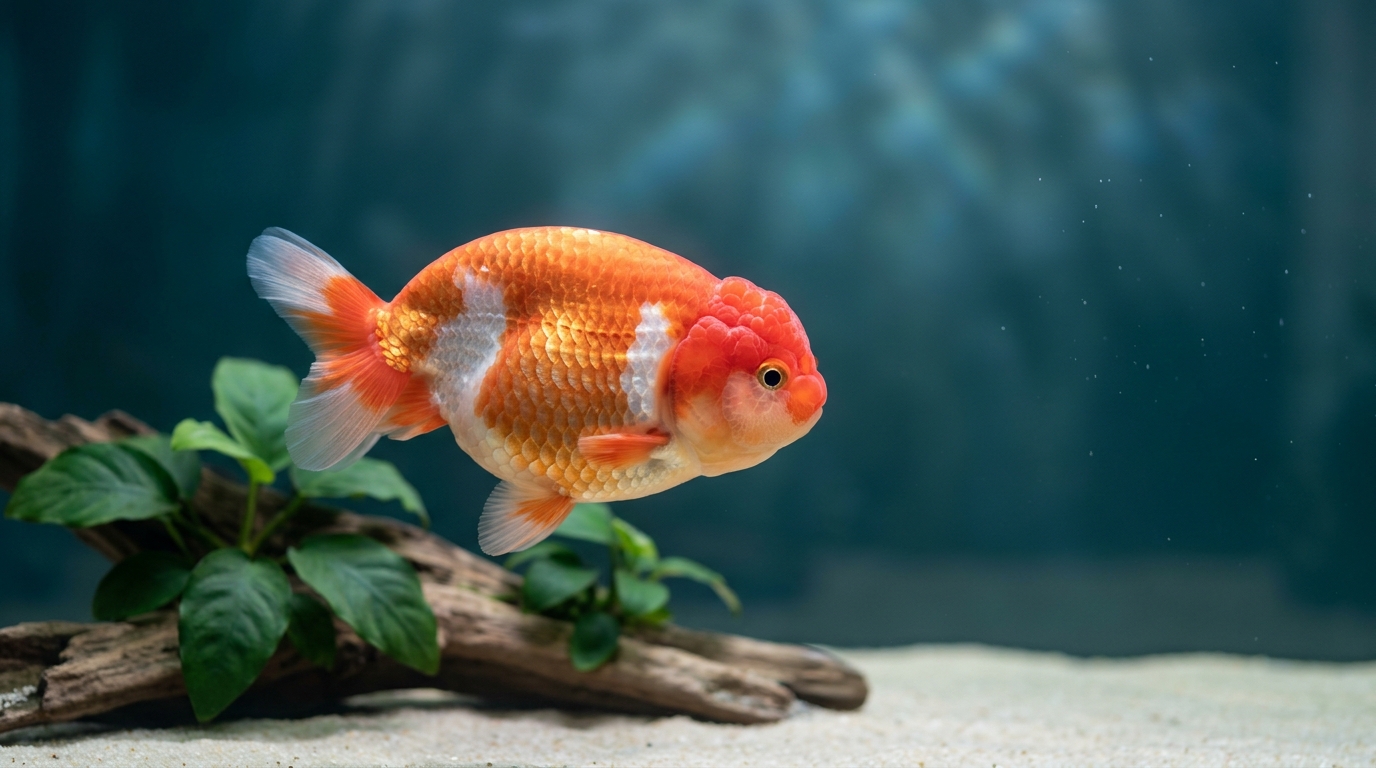
The fantail is one of the oldest and simplest forms of fancy goldfish, meaning it lacks the more extreme features seen in other varieties, such as the fluid-filled sacs of a bubble eye or the fleshy head growth of an oranda. That relative simplicity is exactly what makes it so hardy. Fewer exaggerated traits generally means fewer structural health problems.
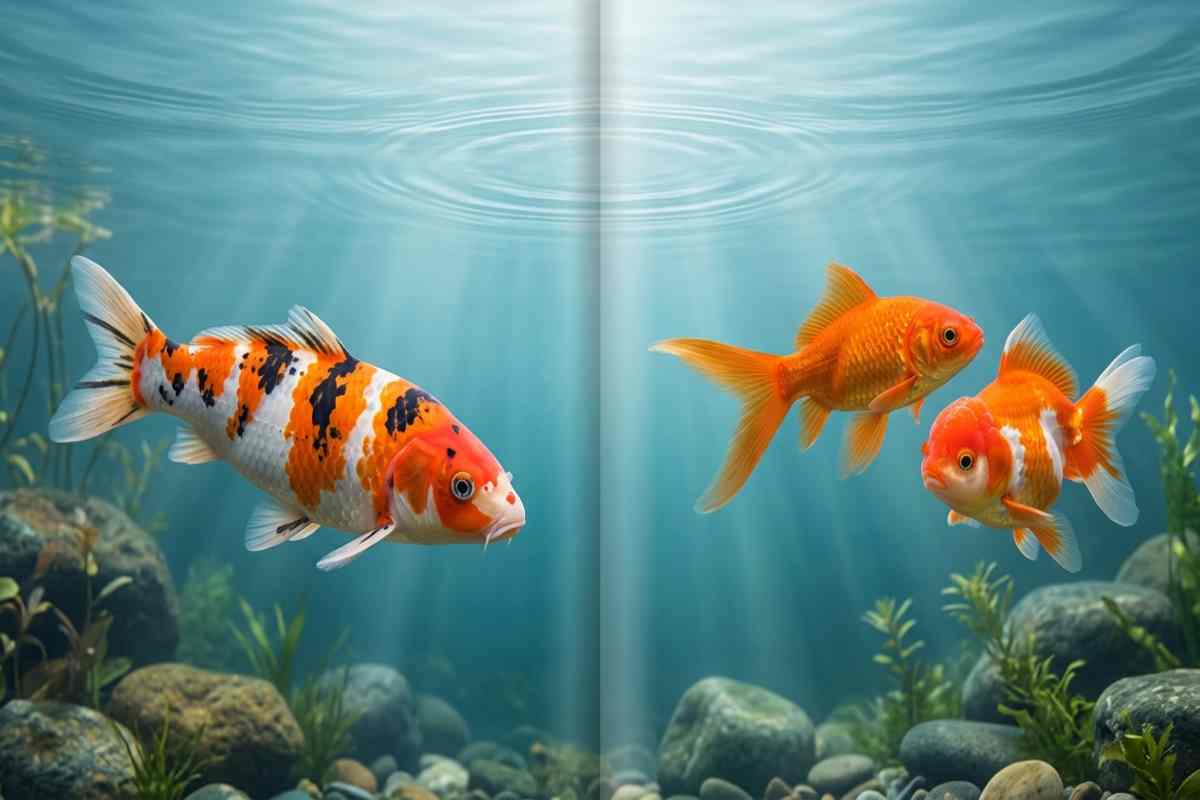
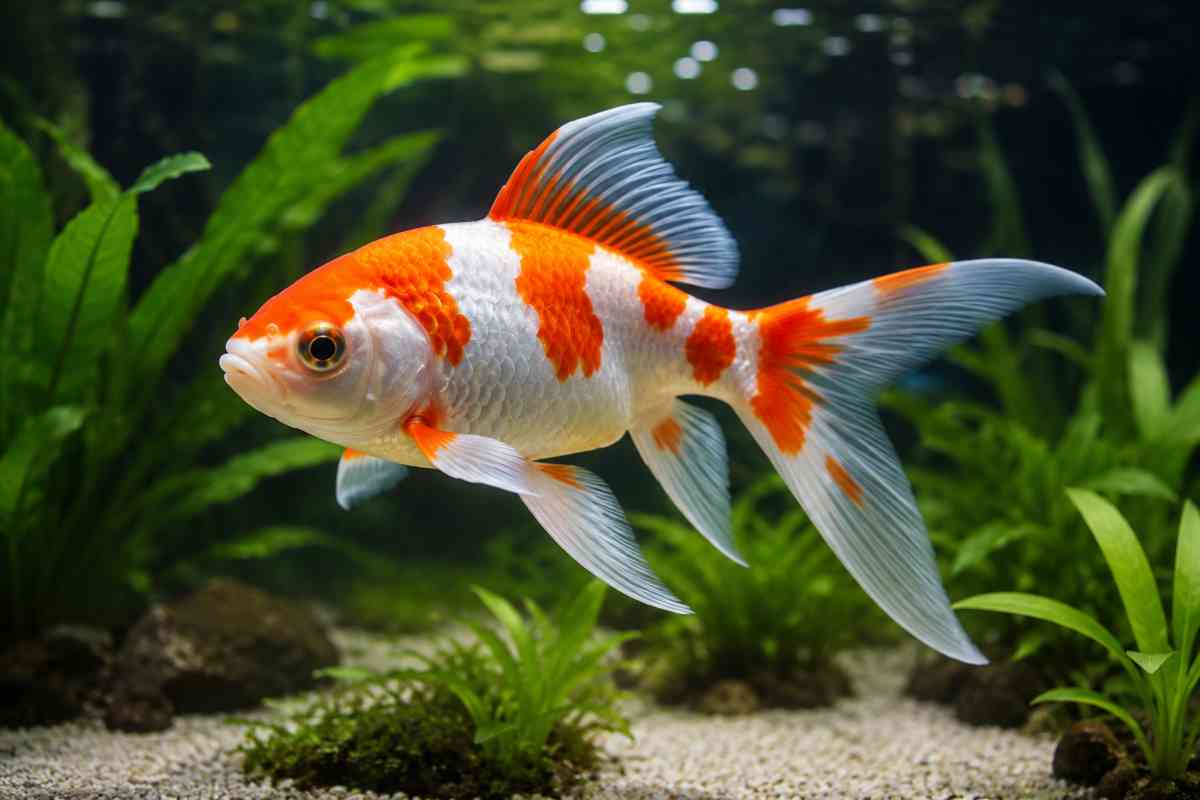
Fantails have an egg-shaped body, a single dorsal fin, and a distinctive double tail fin that splits into two symmetrical lobes, which is where the name comes from. When viewed from above, the tail forms a triangular, fan-like shape. If that tail grows especially long and flowing, it is sometimes nicknamed a ribbontail, though it is still classified as a fantail rather than a separate variety.
Genetically, fantails are Carassius auratus, the same species as the common single-tailed goldfish. Every fantail in existence today is the product of centuries of selective breeding that began in China and later spread through Japan, and the variety does not occur naturally anywhere in the wild.
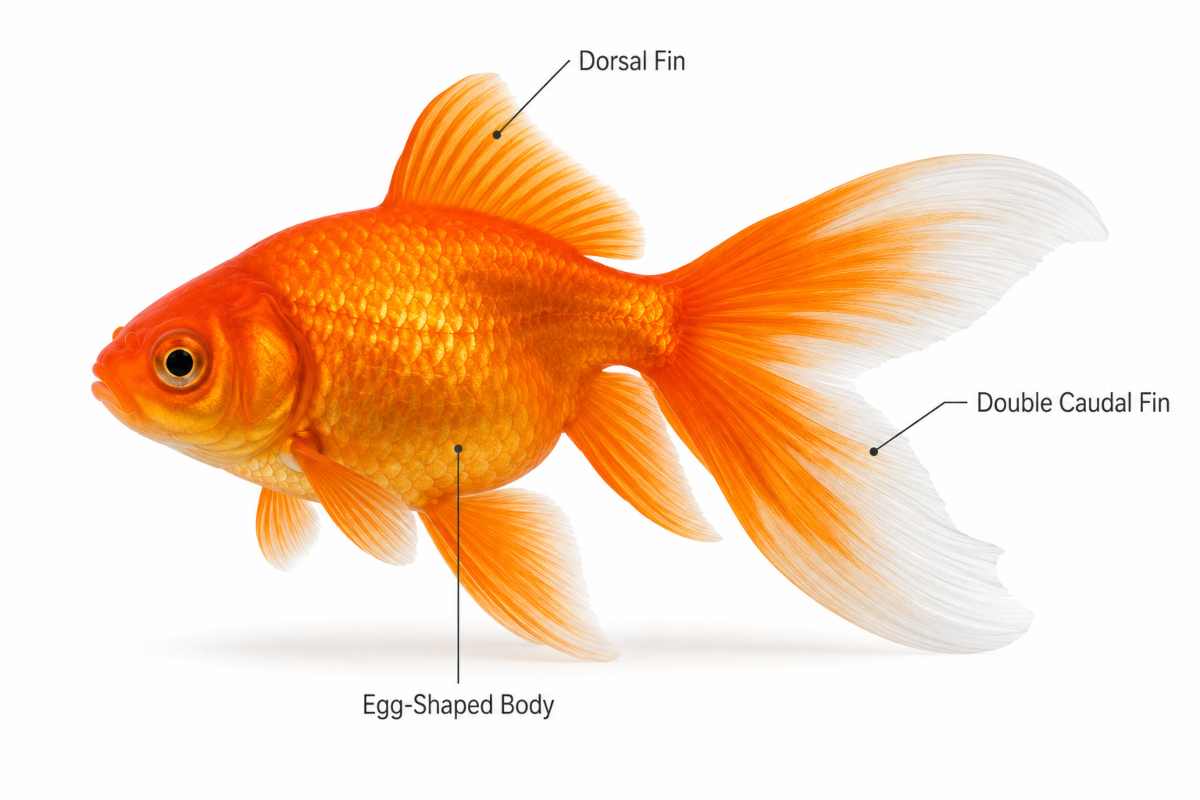 The key features that identify a true fantail goldfish.
How Big Do Fantail Goldfish Get?
Most fantails reach 6 to 8 inches in length as adults, measured from nose to tail, though well-cared-for individuals in spacious tanks or ponds occasionally exceed that. Growth happens fastest in the first six months of life, often adding two to three inches in that window alone, then slows to a steady pace of roughly one inch per year afterward.
This growth pattern is exactly why undersized starter tanks cause so many long-term problems. A fantail bought as a one-inch juvenile can outgrow a small tank within its first year, long before most new owners expect it.
How Long Do Fantail Goldfish Live?
With proper care, a fantail goldfish typically lives 10 to 15 years, and specimens kept in excellent, stable conditions have been documented to live 20 years or more. Lifespan in this species is driven far more by environment than by genetics. Water quality, tank size, and diet consistency all have a bigger impact on longevity than anything determined at birth.
This is a meaningful commitment to factor in before buying one on impulse from a fair or pet store display tank. A fantail purchased today may realistically still be part of the household well over a decade from now.
What Size Tank Does a Fantail Goldfish Actually Need?
This is the single most common area where new owners undersize, largely because fantails are sold small and are, somewhat misleadingly, marketed as suitable for modest setups.
| Tank Consideration | Recommendation | Why It Matters |
|---|---|---|
| Minimum tank size, first fish | 20 gallons | Fantails are heavy waste producers regardless of tank volume, so more water dilutes toxins between water changes. |
| Additional tank size per fish | 10 gallons more per fantail | Prevents ammonia and nitrite spikes as bioload increases. |
| Tank shape | Wide and long over tall | Goldfish are oxygen-hungry, and a larger surface area improves gas exchange. |
| Water temperature | 65 to 72°F | Fantails are coldwater fish and do poorly in tropical tank temperatures. |
| Filtration | Oversized relative to tank volume | Their waste output is disproportionately high for their size. |
The persistent myth that fantails don’t need much swimming room because they’re slow swimmers gets the reasoning backward. The real driver of their tank size requirement is waste production and long-term water stability, not athletic ability.
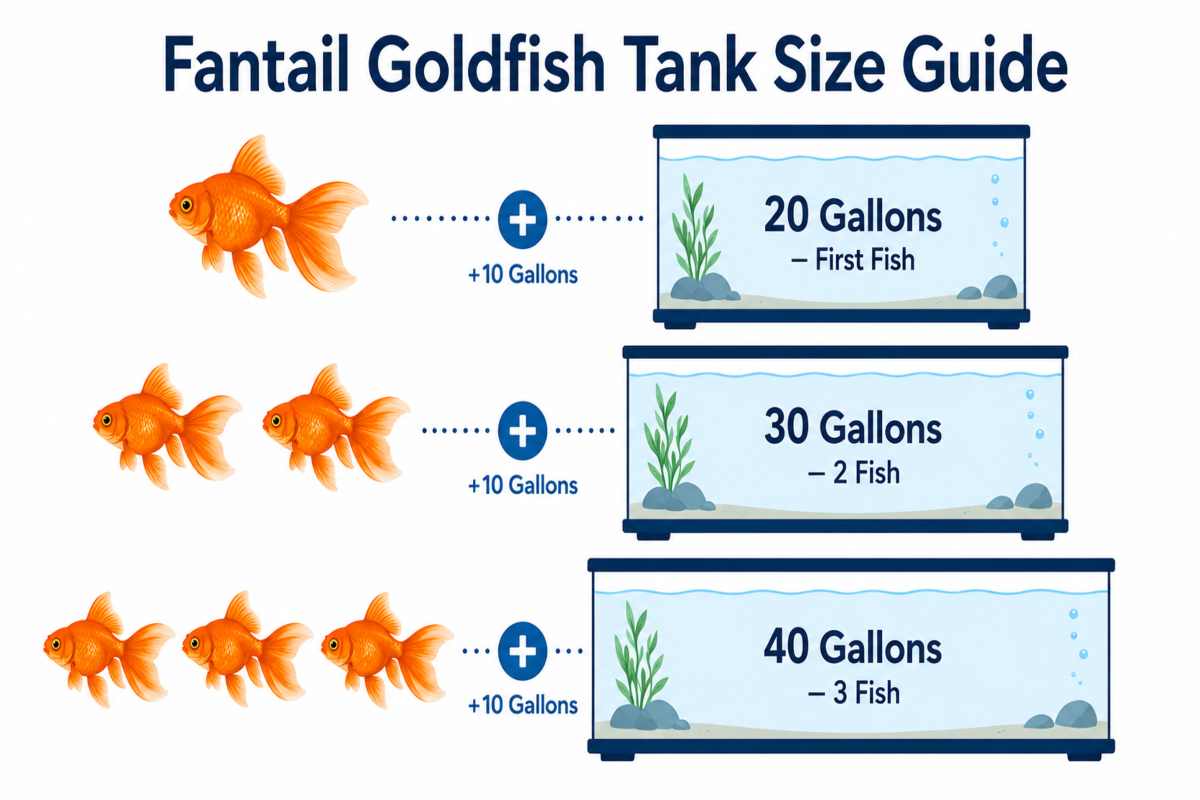 How much tank space each additional fantail goldfish actually needs.
What Do Fantail Goldfish Eat?
Fantail goldfish are omnivores, and a varied diet supports both their growth and their long-term digestive health. A solid feeding routine includes:
- A high-quality goldfish-specific pellet or flake as the daily base
- Occasional protein sources like bloodworms, brine shrimp, or daphnia, fresh, frozen, or freeze-dried
- Blanched vegetables such as peas, zucchini, or leafy greens a few times a week
Feed small portions once or twice daily, offering only what the fish can consume within a couple of minutes. Because of their compressed, egg-shaped body cavity, fantails are more prone than slimmer goldfish varieties to digestive blockages and swim bladder strain from overfeeding or from swallowing too much air alongside dry, floating pellets. Pre-soaking pellets for a minute before feeding, and avoiding intentional multi-day fasting, both help reduce this risk.
What Are Common Fantail Goldfish Health Issues?
- Swim bladder disorder: Their rounded body shape puts extra pressure on internal organs, making buoyancy problems more common than in slim-bodied goldfish. Overfeeding and swallowed air are frequent triggers.
- Fin damage: Their long, delicate double tail is an easy target for fin-nipping tank mates and can also tear on sharp decor.
- Ich (white spot disease): Like most freshwater fish, fantails are susceptible to this parasite, especially during sudden temperature swings.
- Poor growth or stunting: Usually traced back to an undersized tank, inconsistent water quality, or a diet lacking variety, rather than genetics.
Most of these issues share a common root cause: inadequate tank size or inconsistent water quality, which is exactly why those two factors dominate every serious care guide on this species.
Related Readings: How to Set Up a Fish Tank for a Betta
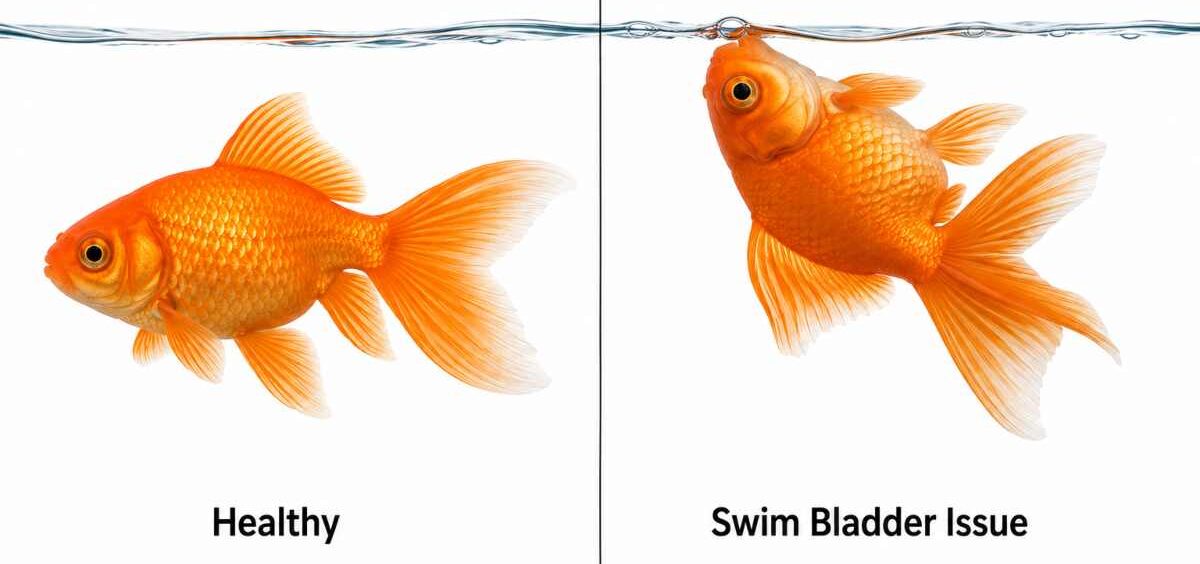
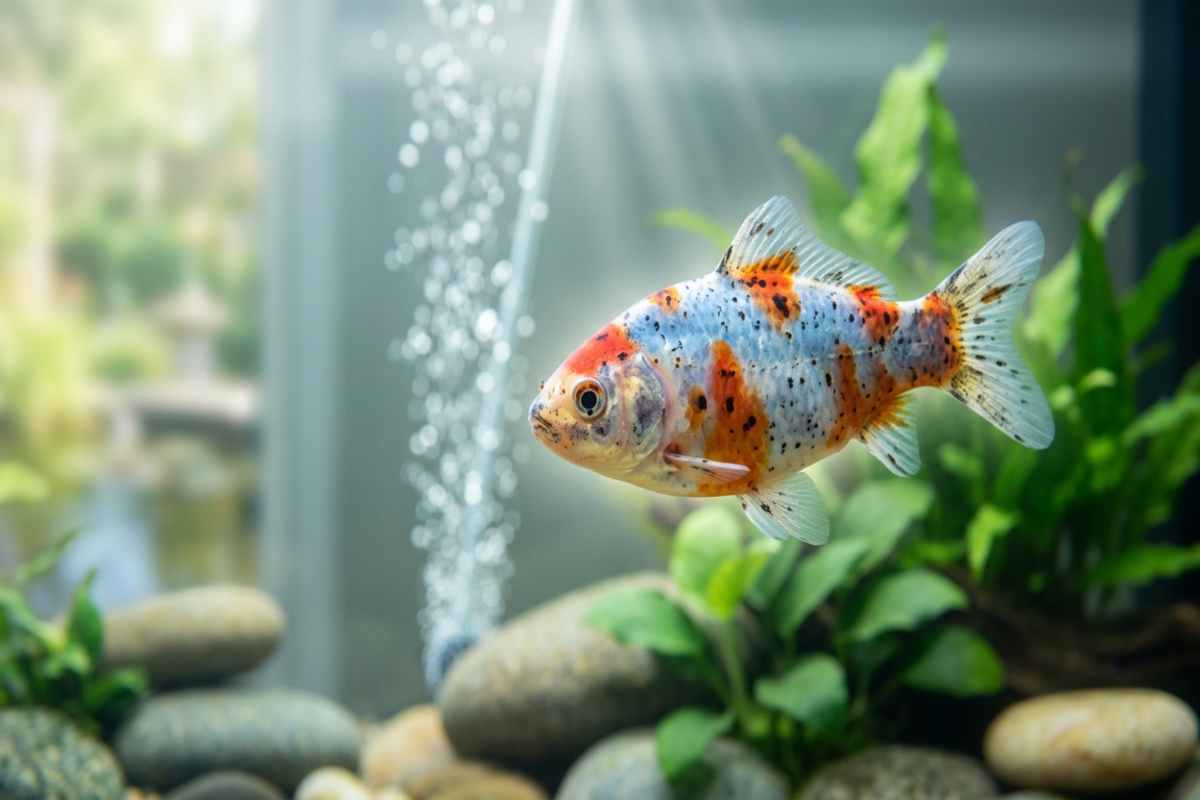
Healthy vs. swim bladder issue: what buoyancy problems look like.
What Are Good Tank Mates for Fantail Goldfish?
Fantails are peaceful, social fish that do best in the company of other calm species that can tolerate cooler water. Because they are slow swimmers with delicate trailing fins, fast or fin-nipping species are a poor match.
Good tank mate options:
- Other fancy goldfish varieties, such as oranda, ryukin, or veiltail goldfish
- Other fantails, since they are naturally social and do well in small groups
Tank mates to avoid:
- Fast, single-tailed common or comet goldfish, which will consistently outcompete fantails for food
- Tropical fish requiring warmer water than a fantail can tolerate
- Known fin nippers or aggressive species such as tiger barbs
Can Fantail Goldfish Breed in a Home Aquarium?
Yes, and they are considered one of the easier fancy goldfish varieties to breed. Spawning is more likely in a larger, well-maintained tank with stable water quality, and it happens more frequently as temperatures rise slightly, which is why breeding activity often increases during warmer months. Feeding a protein-rich diet in the lead-up to spawning also tends to encourage breeding behaviour.
Fantail eggs are adhesive, meaning they stick to plants, decor, or tank surfaces rather than floating freely. They typically hatch within 4 to 5 days depending on water temperature. Adult fantails will readily eat their own eggs and fry, so separating the eggs or adults after spawning is standard practice for anyone hoping to raise the fry successfully.
Fantail Goldfish Quick Facts
| Category | Detail |
|---|---|
| Scientific name | Carassius auratus |
| Origin | Selectively bred in China and Japan; does not exist in the wild |
| Adult size | 6 to 8 inches |
| Lifespan | 10 to 15 years, up to 20+ with excellent care |
| Minimum tank size | 20 gallons for one fish, +10 gallons per additional fish |
| Water temperature | 65 to 72°F |
| Diet | Omnivore: pellets, flakes, occasional protein and vegetables |
| Temperament | Peaceful, social |
Frequently Asked Questions (FAQs)
Do fantail goldfish need a heater?
Not typically. Fantails are cold-water fish and generally do well at stable room temperature, provided it stays within their comfortable 65 to 72°F range. A heater can help maintain stability in unheated rooms during cold winters.
Can fantail goldfish live in a bowl?
No. A bowl offers too little surface area for adequate oxygen exchange. It cannot support the waste load a fantail produces, which quickly leads to poor water quality, stunted growth, and a significantly shortened lifespan.
How can you tell a fantail goldfish apart from other fancy goldfish?
Look for the egg-shaped body, single dorsal fin, and double tail fin, without additional features such as head growth or telescope eyes. Varieties like the oranda or ryukin share a similar body shape but add distinct extra traits the fantail lacks.
Do fantail goldfish need to be kept in groups?
They are social fish and generally do well with company, but it is not strictly required. A single fantail can thrive alone as long as its tank size and water quality needs are still fully met.
Why is my fantail goldfish struggling to swim upright?
This is most often a sign of swim bladder disorder, which is frequently linked to overfeeding, swallowed air from dry, floating food, or constipation. Reducing portion size, pre-soaking pellets, and offering an occasional blanched pea can often help.
Final Thoughts
A fantail goldfish’s easygoing reputation is well earned, but it comes with real requirements that are easy to underestimate when the fish is small and inexpensive at the store. Sizing the tank for its adult length rather than its current size, keeping water consistently clean and cool, and feeding a balanced, portion-controlled diet are the three things that most reliably separate a fantail that struggles for a few years from one that becomes a genuine decade-plus companion. The Fish Care recommends treating every fantail purchase as a long-term commitment from day one, not an afterthought upgrade for later.
References
- PetMD Editorial, veterinarian reviewed. “How To Take Care of Goldfish.” PetMD. https://www.petmd.com/fish/care/how-to-take-care-of-goldfish
- The Vet Desk Editorial. “Fantail Goldfish: Info, Pictures, Care & Lifespan.” The Vet Desk. https://thevetdesk.com/pet-breeds/goldfish/fantail-goldfish/