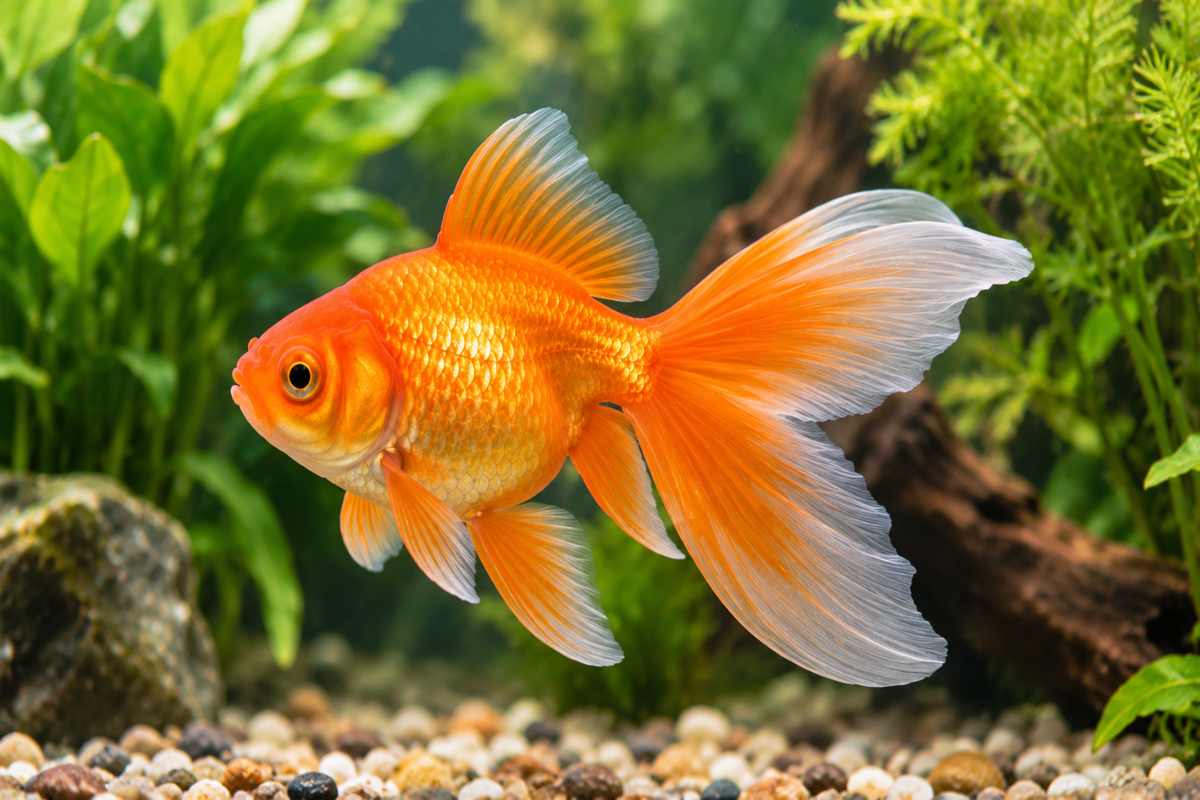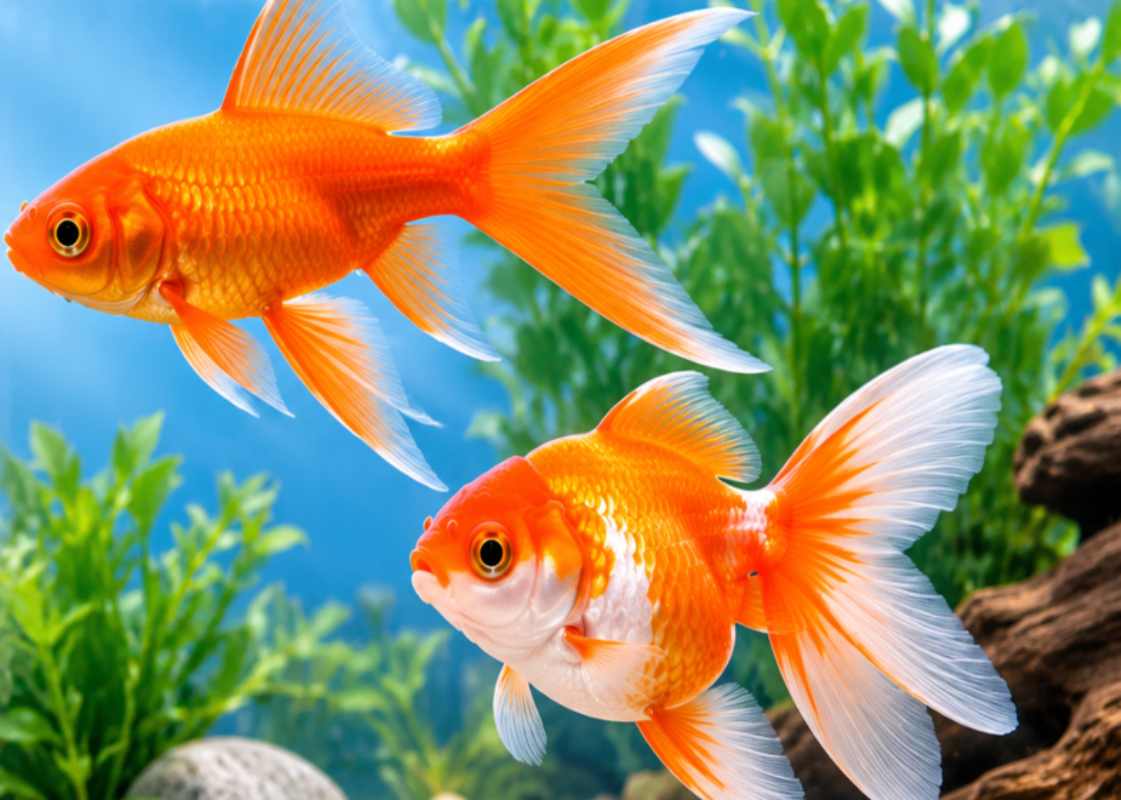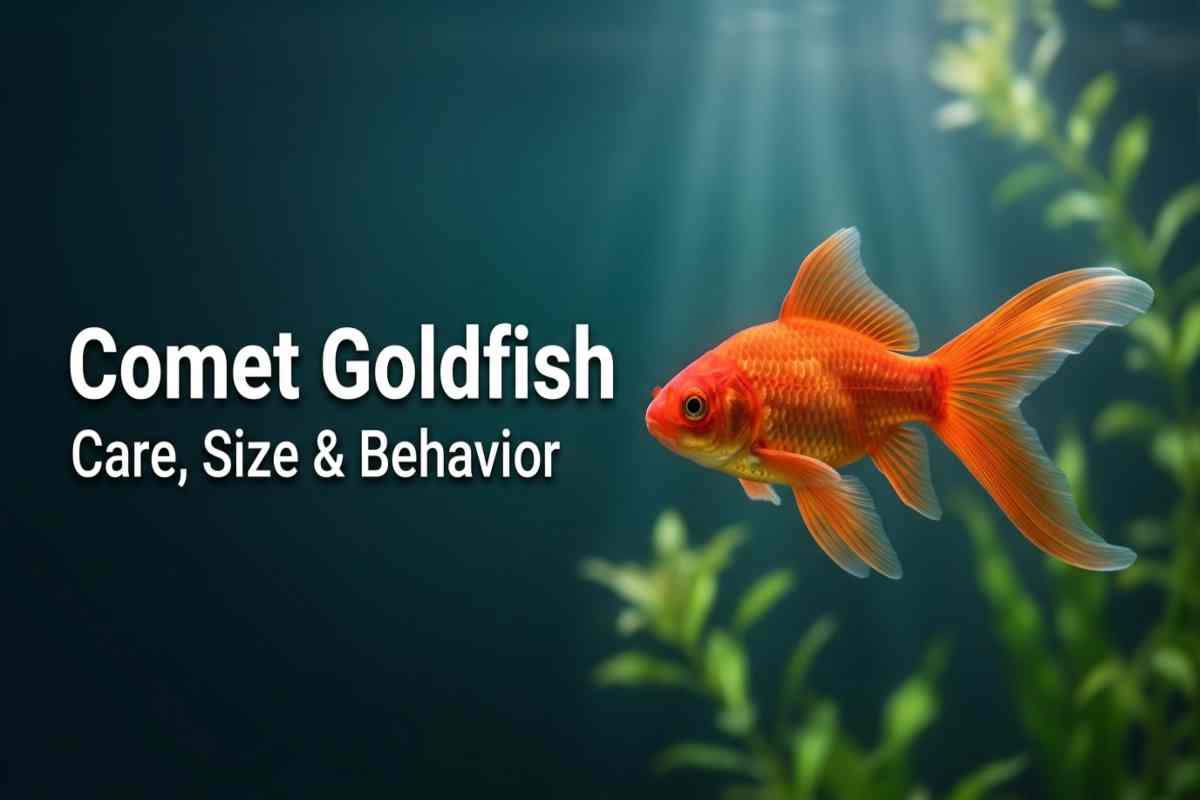
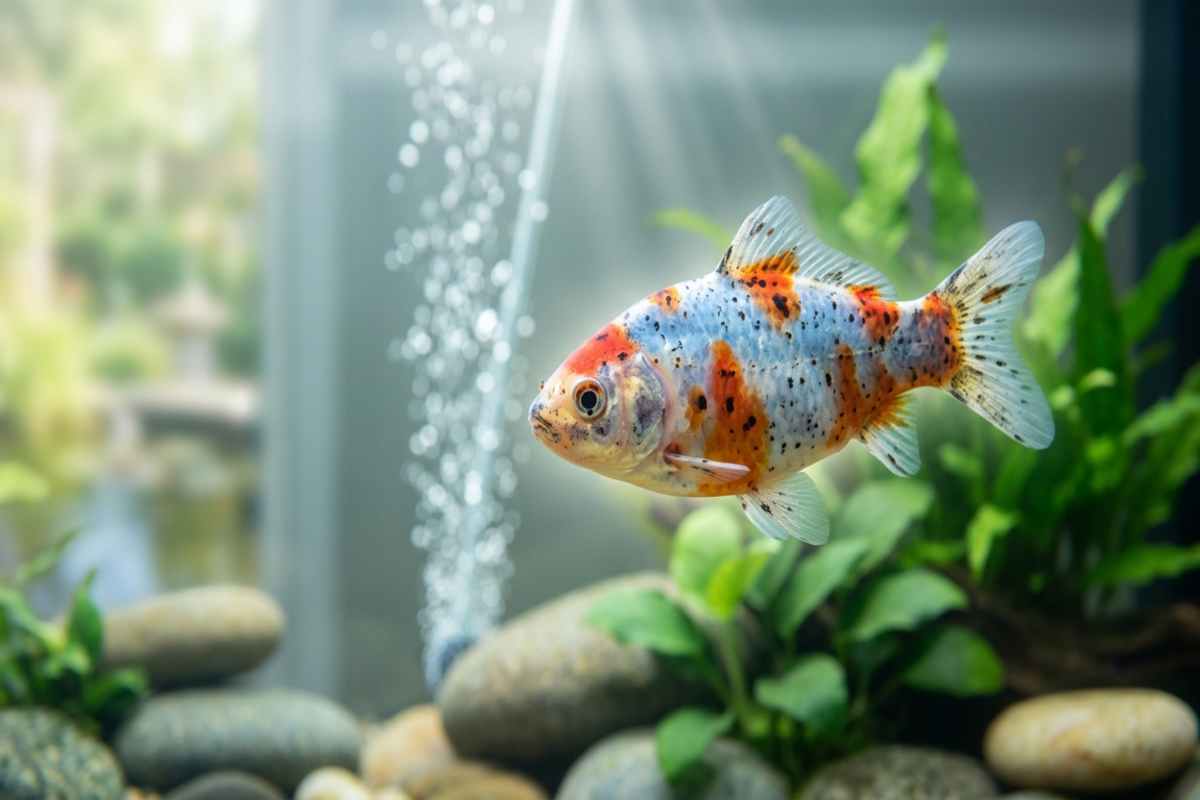
A Shubunkin goldfish is a hardy, single-tailed, calico-colored goldfish that typically lives 10 to 15 years, can pass 20 with excellent care, and grows far larger than most people expect. In a roomy tank or pond, expect roughly 6 to 10 inches (15 to 25 cm) indoors and 10 to 14 inches (25 to 35 cm) outdoors. One adult needs at least 30 gallons (115 L), not the 10-gallon tank many stores still suggest.
Shubunkins are fast, social, and tolerant of cool water, making them one of the best goldfish for beginners with space. They also produce a lot of waste, so the real work is filtration, water changes, and room to swim.
Key Takeaways
- Shubunkins are active, athletic goldfish. Plan on 30 gallons (115 L) for the first fish, 10 to 15 more gallons per extra fish, or a pond of at least 250 gallons (about 1,000 L).
- Typical lifespan is 10 to 15 years, and 20 or more is possible with clean water, a good diet, and enough space.
- They need cool, well-oxygenated, well-filtered water (about 60 to 75°F, or 15 to 24°C) with zero ammonia and zero nitrite. A heater is usually unnecessary.
- Keep them with other single-tailed goldfish such as Commons and Comets, not with slow fancy goldfish, tropical fish, or tiny fish.
- Fading or shifting black spots are often normal as the calico pattern matures, but test the water first if the change is sudden.
What Is a Shubunkin Goldfish?
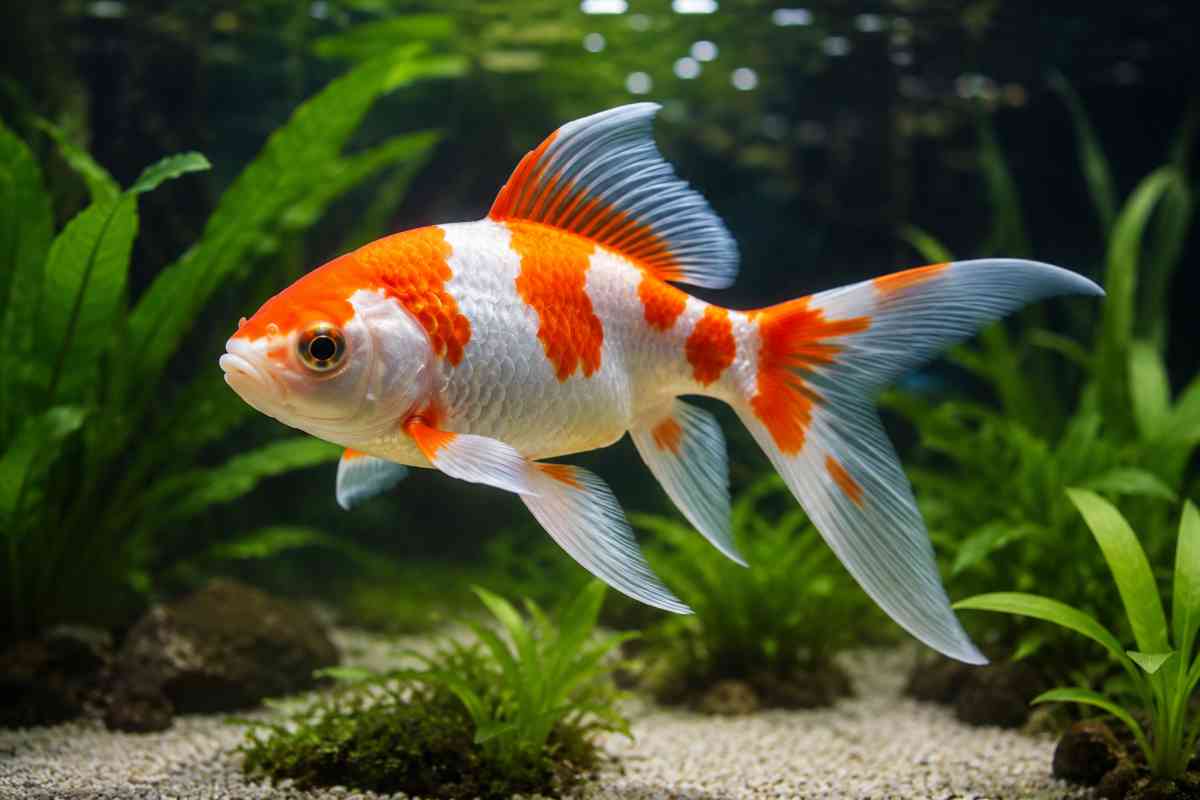
The Shubunkin is a calico goldfish with a single, unbranched tail and a streamlined, Common or Comet-style body. Its signature look is a patchwork of blue, red, orange, white, and violet, scattered with black speckles. Japan developed the variety in the early 1900s, and breeders in England later refined the London and Bristol types.
The pattern comes from its scales. Most goldfish have shiny, metallic scales. Shubunkins have nacreous scales that are matte and pearly, and many are transparent, so the pigment cells underneath show through. Black speckles come from melanophores, the dark pigment cells. Blue is the rarest and most prized color, and no breeder can guarantee it. Every Shubunkin pattern is unique, and it shifts as the fish grows.
One source of confusion is the word “calico.” Calico fantails, orandas, and telescope goldfish also have nacreous scales. If the fish has a single tail and a slim body, it is a Shubunkin. If it has a double tail and a rounded body, it is a fancy goldfish with calico coloring. Goldfish in general are domesticated Carassius auratus, a hardy omnivore from East Asia that tolerates a wide temperature range, according to FishBase.
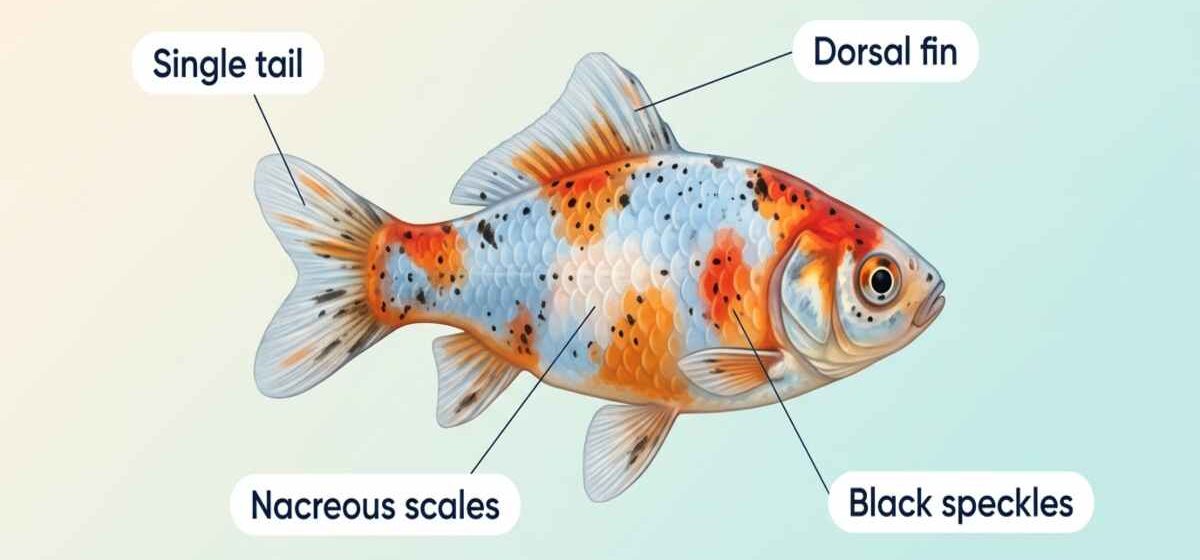 A Shubunkin has nacreous scales and a single tail.
What Are the Different Types of Shubunkin Goldfish?
There are three recognized types, and the tail is the easiest way to tell them apart.
| Type | Tail | Body | Best Suited To |
|---|---|---|---|
| London Shubunkin | Short, rounded, Common goldfish style | Deeper, compact | Large tanks and ponds; the most common type in stores |
| Bristol Shubunkin | Large, symmetrical, rounded “B” or heart shape | Slender, athletic | Ponds or very large tanks; rarer and usually pricier |
| American Shubunkin | Long and deeply forked, Comet style | Long and slim | Ponds and big tanks; the fastest swimmer |
Long tails look elegant but are more exposed to fin damage and fin rot, so Bristol and American types need smooth decor and especially clean water. If you are buying your first one, the London type is the easiest to find and the most forgiving.
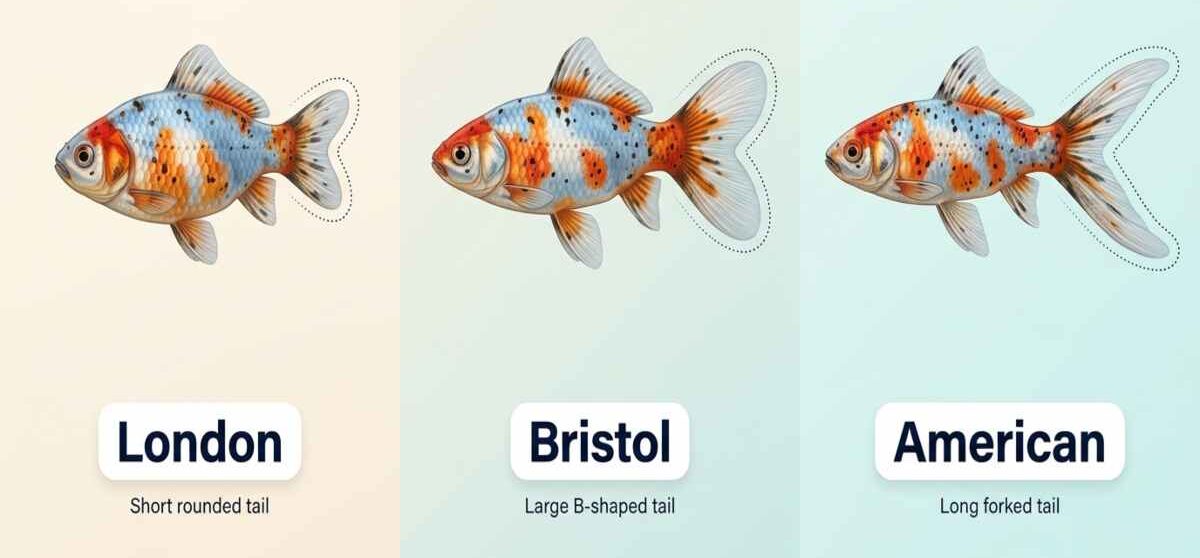 Tail shape is the easiest way to tell Shubunkin types apart.
How Big Do Shubunkin Goldfish Get in a Tank vs. a Pond?
Most Shubunkins reach about 6 to 10 inches (15 to 25 cm) in a properly sized aquarium and 10 to 14 inches (25 to 35 cm) in a pond. Bristol and American types, with their long tails, can look even larger. Some care guides quote 5 to 6 inches for tank fish, and that figure usually reflects small tanks rather than the fish’s potential.
Growth is fastest in the first two years, then slows without fully stopping. A fish that stays tiny is rarely a “tank-sized” fish. More often, poor water, crowding, or underfeeding holds it back.
This is the biggest misconception in goldfish keeping. Goldfish do not politely stop growing to match their container. Pollutants and crowding can slow body growth while internal organs keep developing, leading to deformities and shorter lives. If a Shubunkin is stunting in your tank, the tank is too small.
How Long Do Shubunkin Goldfish Live?
The typical Shubunkin lifespan is 10 to 15 years. Individuals in well-kept tanks and ponds regularly pass 20, and goldfish in general are among the longest-lived common aquarium fish.
The gap between a fish that dies at 3 and one that lives past 15 comes down to a handful of things:
- Water quality: Chronic ammonia and nitrate stress is the most common hidden cause of early death.
- Space: Crowding means more waste, less oxygen, and more competition at feeding time.
- Diet: Overfeeding damages the gut and the water. Underfeeding is rarely the problem.
- Seasonal rhythm: Pond fish that cool down naturally in winter and slow their metabolism (a winter torpor) may benefit from the rest. However, the evidence mostly comes from keeper experience rather than controlled studies.
How Many Gallons Does a Shubunkin Goldfish Need?
One Shubunkin needs at least 30 gallons (115 L), and 40 to 55 gallons is a better long-term target. A single fish can survive in 15 or 20 gallons for a while, but it will outgrow that tank within a year or two. Add 10 to 15 gallons for every extra fish, or plan on a pond.
| Setup | Verdict |
|---|---|
| Bowl or under 10 gallons | Not suitable at any age |
| 10 gallons | Not suitable beyond a very small juvenile for a short time |
| 20 gallons | Temporary home for one juvenile |
| 30 gallons (115 L) | Minimum for one adult |
| 55 to 75 gallons (210 to 285 L) | Good for one or two adults |
| Pond of 250+ gallons (1,000+ L) | Best for a small group, with depth of 2 feet (60 cm) or more |
Choose a long tank over a tall one. Shubunkins swim fast and need horizontal room to cruise, and a wider water surface also improves oxygen exchange. If you are not sure how much water your tank really holds, work it out before you stock it. The Fish Care aquarium volume calculator does the math for any shape.
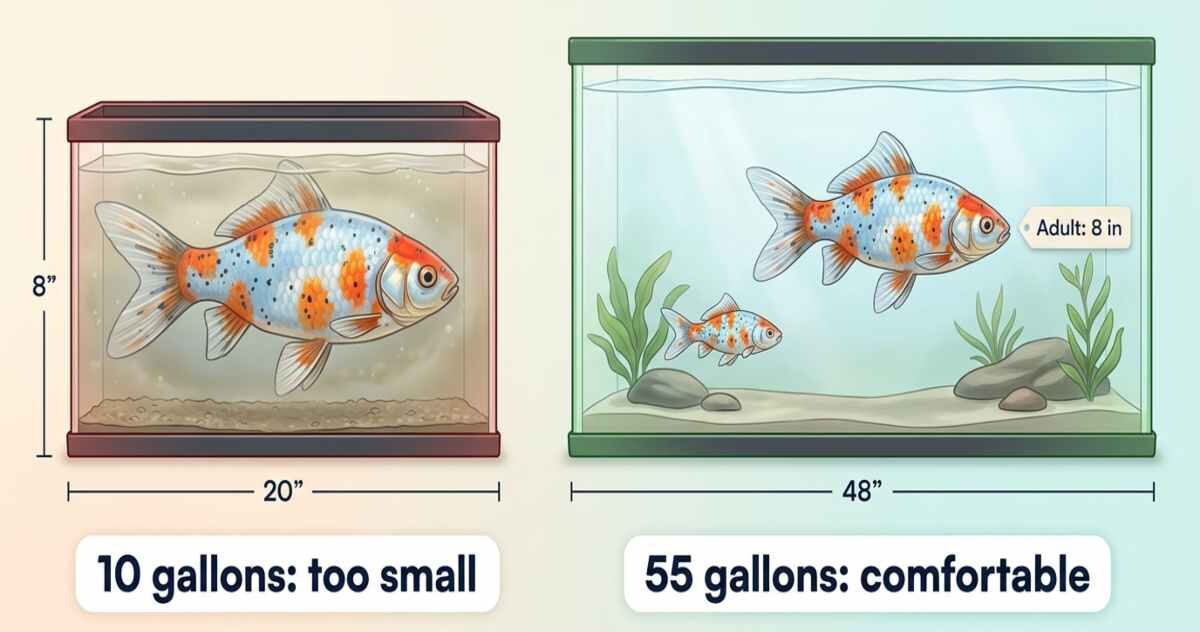 An adult Shubunkin needs far more room than a 10 gallon tank.
What Water Conditions Do Shubunkin Goldfish Need?
Stable, clean, well-oxygenated, cool water. Everything else is secondary.
| Parameter | Target |
|---|---|
| Temperature | 60 to 75°F (15 to 24°C); stable is better than exact |
| Ammonia | 0 ppm |
| Nitrite | 0 ppm |
| Nitrate | Below 40 ppm, lower is better |
| pH | 6.5 to 8.0, steady |
| Hardness | Moderate to hard (dGH roughly 5 to 20) |
Why does the nitrogen cycle matter so much?
Fish waste releases ammonia, which is toxic. Beneficial bacteria in your filter convert ammonia to nitrite, which is also toxic, and then to nitrate, which is far less harmful. A new tank has no bacterial colony yet, so it must be cycled (usually 4 to 8 weeks) before you add fish. The Merck Veterinary Manual identifies poor water quality as one of the most common underlying causes of disease in aquarium fish, and ammonia and nitrite are the usual culprits.
Shubunkins produce a lot of waste, so choose a filter rated for a larger tank than yours. A canister filter or a large sponge filter provides both mechanical filtration (trapping debris) and biological filtration (housing the bacteria). Add an air stone or powerhead for aeration, especially in summer.
How often should you change the water?
Plan on a weekly change of roughly 30 to 50 percent, adjusted by testing. Use a dechlorinator and match the new water temperature. If nitrate climbs above 40 ppm before the week is out, change more often rather than less.
Do Shubunkins need a heater?
Usually not. Indoors, normal room temperature suits them well, and they tolerate seasonal swings if changes are gradual. Heat is more of a risk than cold: warm water holds less dissolved oxygen, and above about 75°F (24°C) they begin to struggle. Avoid putting them in tropical tanks.
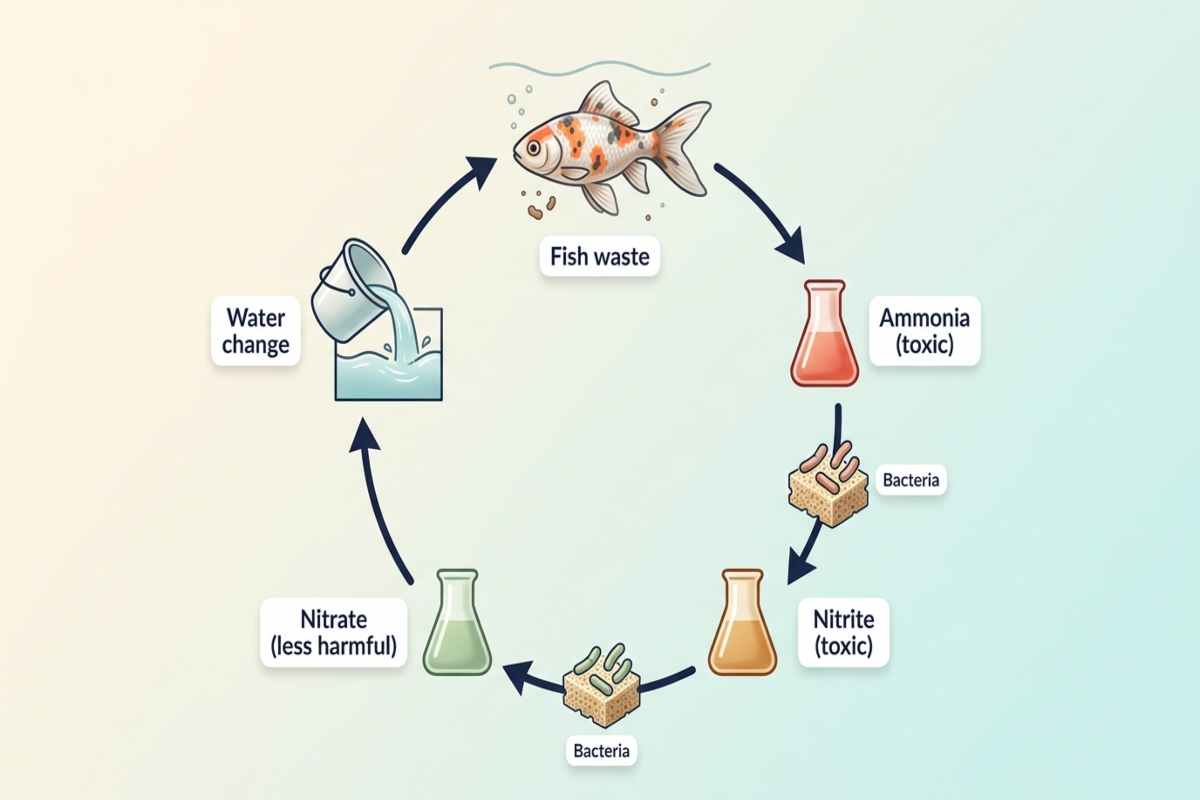 Beneficial bacteria turn toxic ammonia into safer nitrate.
How Do You Set Up a Pond for Shubunkin Goldfish?
Shubunkins are among the best goldfish for ponds because they swim well, are cold-hardy, and are easy to spot. A good pond comes down to depth, filtration, and protection.
Depth and volume. Aim for at least 250 gallons and a depth of at least 2 feet (60 cm). Deeper is better in regions with hard freezes or hot summers, because deep water stays more stable.
Filtration and oxygen. A pond filter that can circulate the whole volume every hour or two, plus a fountain, waterfall, or air pump, keeps oxygen high. In winter, keep a gap in the ice for gas exchange.
Safety. Herons, raccoons, and cats are real threats. Cover part of the surface with floating plants such as water lilies and add netting or hiding spots at the bottom. Partial shade also limits algae and summer overheating.
Winter. When the water stays below roughly 50°F (10°C), Shubunkins slow down and eat very little. Many pond keepers switch to an easily digested wheat germ food in the cool shoulder seasons and stop feeding altogether in cold water, since undigested food can rot in a sluggish gut. Do not try to force them to feed.
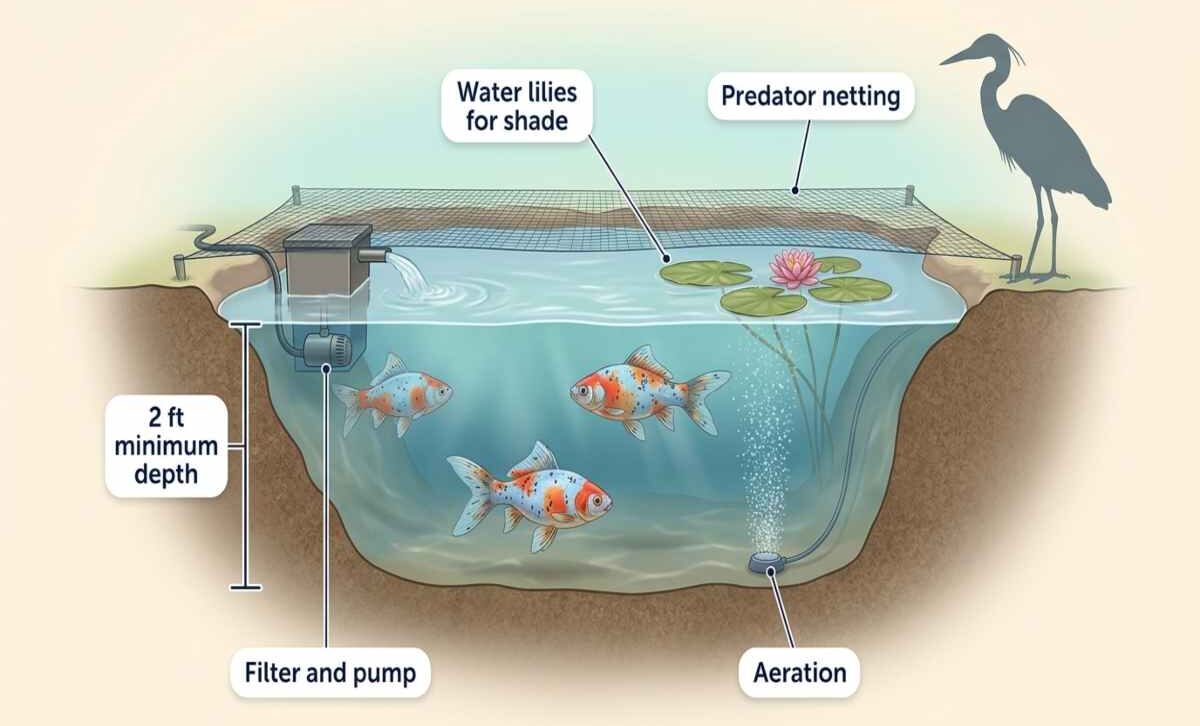 A deep, filtered, shaded pond keeps Shubunkins safe and healthy.
What Should You Feed a Shubunkin Goldfish?
A high-quality goldfish pellet or flake as the base, plus fresh vegetables and the occasional protein treat. Shubunkins are omnivores and will eat almost anything, which is exactly why overfeeding is the top diet mistake.
Sinking pellets vs flakes. Sinking or pre-soaked pellets are generally the better staple. Goldfish that gulp air at the surface can develop buoyancy problems, and sinking or pre-soaked pellets reduce that risk. Flakes work for small juveniles and as a variety food, but they are easy to overfeed and tend to cloud the water.
What else belongs on the menu:
- Blanched, shelled peas and finely chopped leafy greens, which add fiber
- Duckweed, a natural pond food
- Daphnia and brine shrimp, which supply protein and chitin, a fiber-like material in crustacean shells
- Bloodworms, only as an occasional treat
How much and how often. Feed once or twice a day, giving only what the fish finish in about one to two minutes. In cool water, feed less. Remove leftovers, and consider a fasting day each week to rest the gut.
Can Shubunkin Goldfish Live With Koi, Comets or Other Fish?
Yes, with the right partners. The best tank mates are other single-tailed goldfish, because they swim at the same speed and share the same cool-water needs.
- Comets and Commons: Excellent matches in a large tank or pond.
- Other Shubunkins: Ideal. They are social and do better in small groups than alone.
- Koi: Possible in a large pond, but koi grow much bigger and need far more water. Quarantine all new fish and avoid mixing them in small ponds.
- Fancy goldfish (fantails, orandas, telescopes): Not a good match indoors. They are slower, and Shubunkins win every race at feeding time.
- Tropical fish: Their temperatures don’t overlap, and Shubunkins will eat anything small enough to swallow.
What about the best indoor tank mates? Realistically, it is more Shubunkins or a Common or Comet, in a tank of 75 gallons or more. If your tank is smaller than that, keep one fish and skip the tank mates.
Why Is My Shubunkin Losing Its Black Spots?
Most of the time, it is normal. Calico patterns are not fixed. Young Shubunkins can change color noticeably during their first two years, with black speckles fading in some spots and appearing in others, and blue patches brightening or dulling.
Check these causes in order:
- Water quality. Dark patches can appear on healing skin after an ammonia burn, then fade as the tissue recovers. Test ammonia, nitrite, and nitrate first.
- Stress or a recent move. Moves, temperature swings, and crowding can all alter color.
- Diet and light. A varied, good-quality diet supports color, and sunlight in a pond can change how patterns look.
- Age. Older fish often lose contrast gradually.
If the fading comes with white spots, red streaks, clamped fins, or lethargy, treat it as a health issue, not a color change.
What Diseases Affect Shubunkin Goldfish?
Shubunkins are hardy, and most illness traces back to water quality, a missed quarantine, or temperature swings. Know the early signs.
| Condition | What You See | First Step |
|---|---|---|
| Ich (Ichthyophthirius multifiliis) | Salt-like white dots, scratching | Quarantine, aerate and treat with an ich product following its label |
| Fin rot | Frayed, milky or reddened fin edges | Fix water quality first, then treat if it persists |
| Dropsy | Swollen body, scales sticking out like a pinecone | Isolate and see an aquatic vet; the outlook is often poor |
| Swim bladder problems | Floating, tilting or sinking | Review feeding and water; fast briefly, then offer soaked or sinking food |
| Parasites (flukes, lice, anchor worm) | Flashing, visible worms or lesions, clamped fins | Isolate, identify the parasite and use a targeted treatment |
Dropsy is a symptom of organ failure, not a disease of its own, which is why catching the cause early matters. Always quarantine new fish for 2 to 4 weeks before adding them to your main tank or pond.
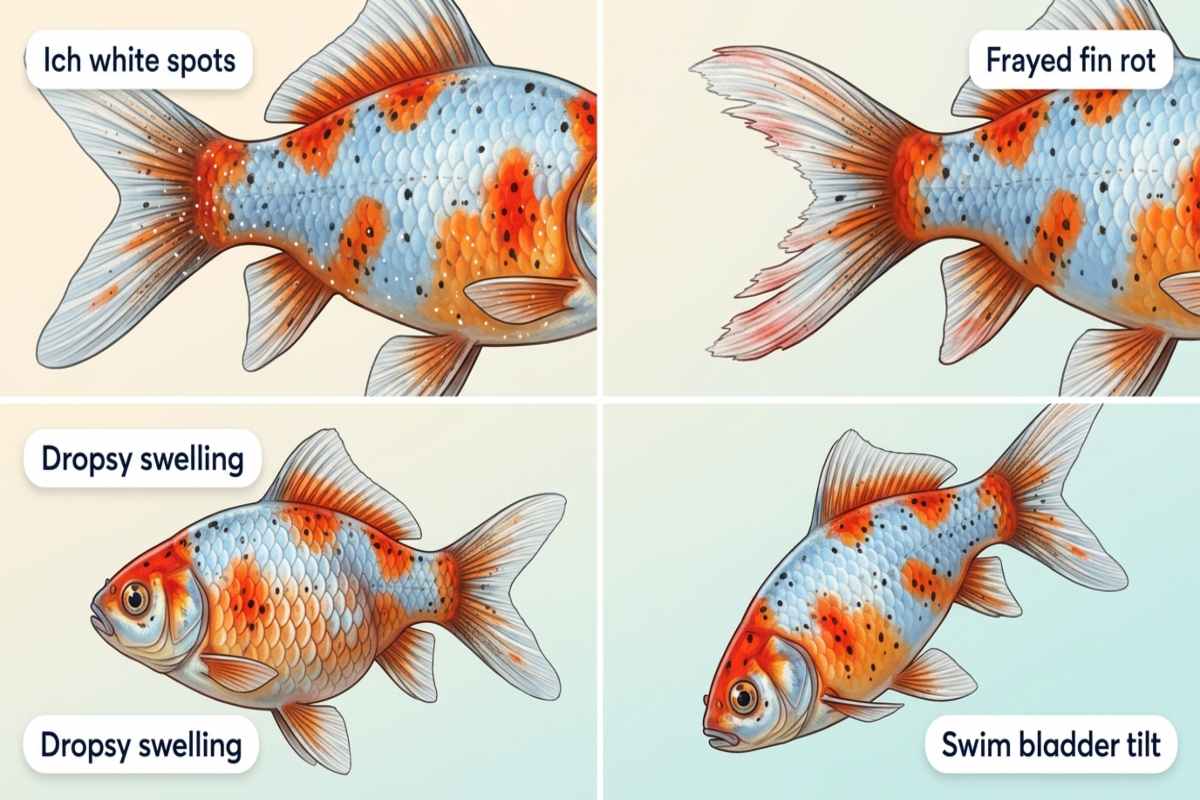 Early signs of ich, fin rot, dropsy and swim bladder trouble.
Is a Shubunkin Right for You, and How Do You Pick a Healthy One?
If you have room for a large tank or a pond and enjoy active, personable fish, a Shubunkin is a great choice. If you only have a small tank, a different pet will serve you better.
Before you buy, run through this short checklist:
- Clear eyes, with no cloudiness or bulging
- Intact fins with no red edges, splits, or clamping
- Active swimming at a normal depth
- No white spots, patches, or red streaks
- A store tank that looks clean, with no sick or dead fish nearby
Give a Shubunkin cool, clean, oxygen-rich water and room to swim, and it will repay you with a decade or more of colorful, personable company. Start with a 30-gallon tank or larger, or a deep pond, cycle it before the fish arrive, and feed lightly. At The Fish Care, we always suggest testing your water before changing anything else, because most Shubunkin problems start there.
Frequently Asked Questions (FAQs)
Can I keep a Shubunkin in a 10 gallon tank?
No. A juvenile may fit briefly, but it will outgrow the tank, and the waste will overwhelm the water.
Can a Shubunkin live alone?
Yes, but Shubunkins are social and tend to do better with at least one companion of similar type and size, provided the tank is large enough.
Do Shubunkins change color?
Yes. Patterns shift, especially during the first two years, and blue can appear or fade.
Do Shubunkins need a filter and air pump?
Yes. They are messy and need strong filtration and aeration, whether in a tank or a pond.
Are Shubunkins good for beginners?
They are hardy and forgiving, but beginners need to be ready for the space, filtration, and maintenance their size demands.
References
- Merck Veterinary Manual (Merck & Co., Inc.): https://www.merckvetmanual.com/
- FishBase (FishBase Consortium): https://www.fishbase.se/