A fish bacterial infection happens when bacteria, usually opportunistic Gram-negative species such as Aeromonas, Pseudomonas, or Flavobacterium columnare, overwhelm a fish whose natural defenses have been weakened. In almost every aquarium case, stress triggers it: ammonia or nitrite spikes, high nitrates, temperature swings, overcrowding, or injury.
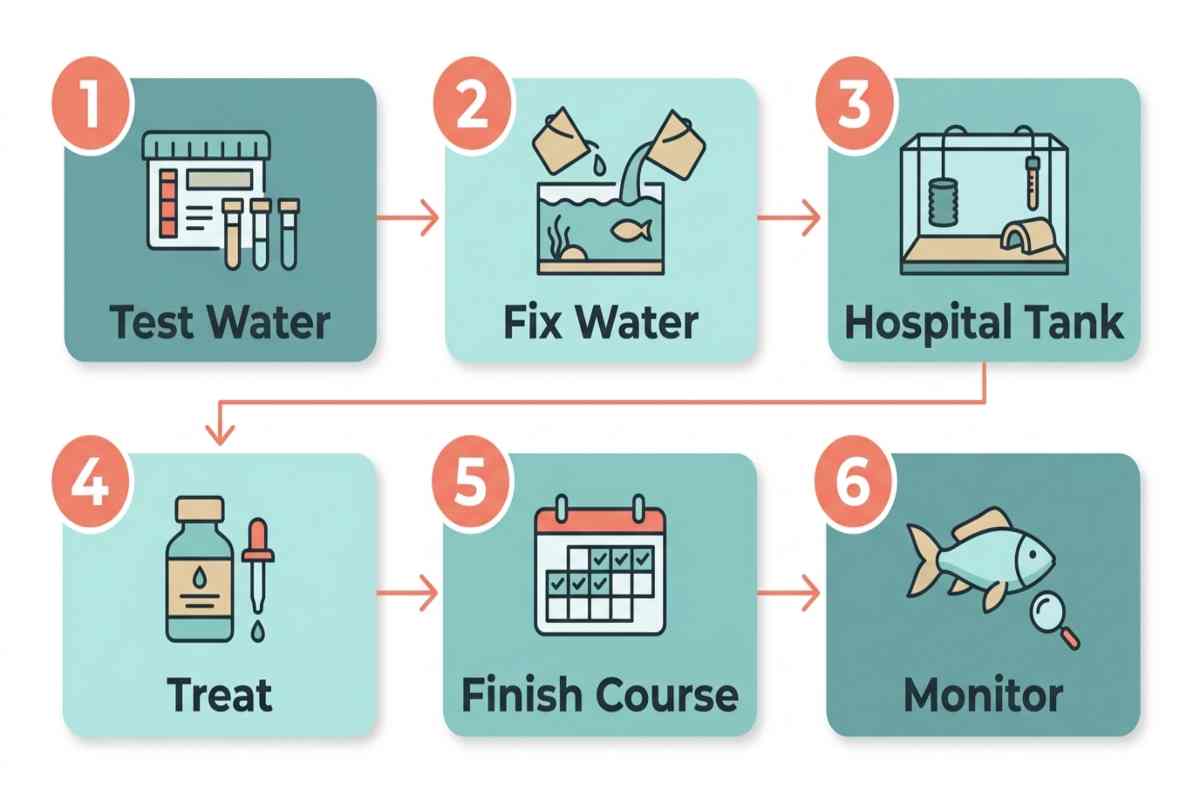
The fastest path to recovery has three parts: fix the water first, move the sick fish to a hospital tank, and match the treatment to the symptoms rather than guessing. Bacteria are rarely the root problem. They’re opportunists that show up when the fish’s defenses fail.
Key Takeaways
- Most aquarium bacterial infections are opportunistic, often developing because of poor water quality, stress, or weakened immunity. Correct water conditions before starting medication.
- Fin rot, ulcers, columnaris, and dropsy are different signs or presentations of disease that require specific treatment approaches. Columnaris can progress rapidly and become life-threatening within days.
- Not all medications work against every bacterium. Choose appropriate antibiotics based on the suspected infection, and avoid relying on herbal remedies for serious bacterial diseases.
- Many antibiotics are poorly absorbed through aquarium water. Medicated food or veterinary-directed treatment may be more effective for certain internal bacterial infections.
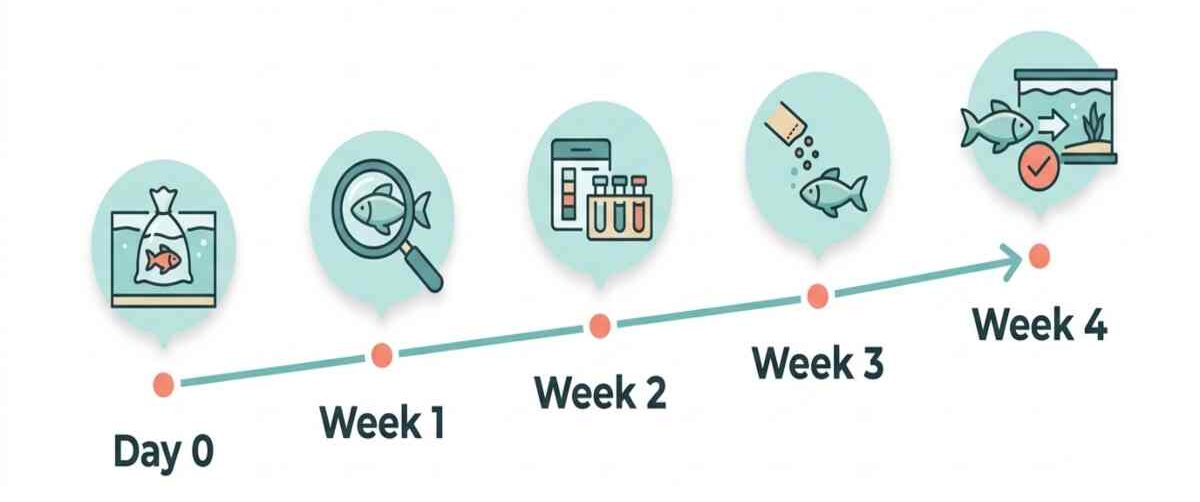
- Quarantine new fish for approximately four weeks, maintain zero ammonia and nitrite, and practice good hygiene. Some bacterial diseases, including fish tuberculosis, can also infect humans.
What Is a Fish Bacterial Infection?
Every fish tank contains bacteria. Most are harmless or beneficial, like the nitrifying bacteria in your filter. A bacterial infection (bacteriosis) begins when a pathogenic or opportunistic species gets past the fish’s defenses and multiplies in its skin, fins, gills, or internal organs.
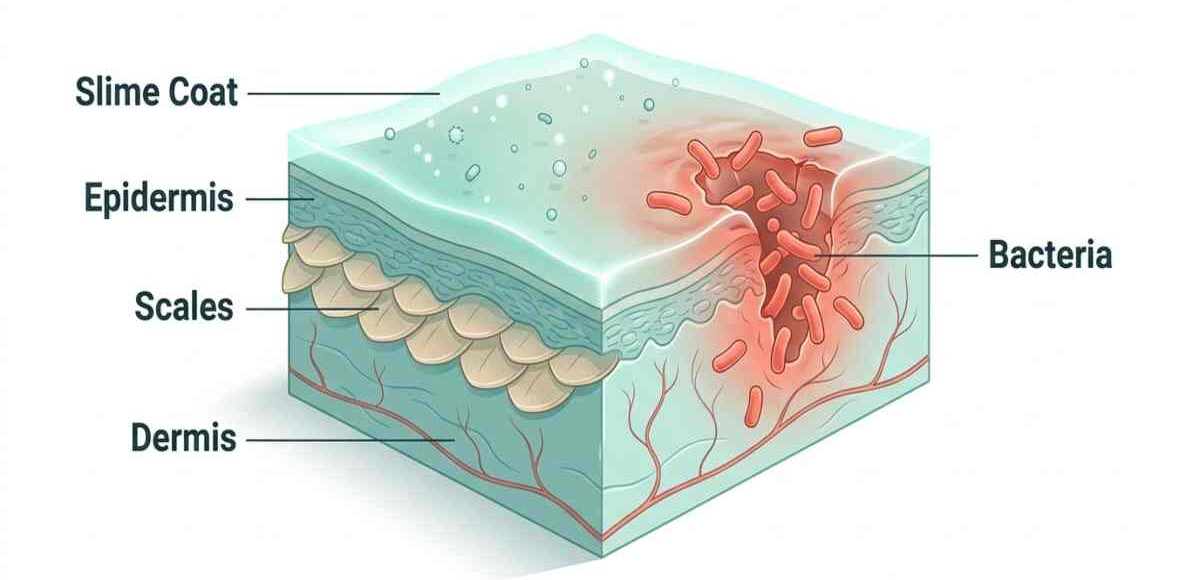
The slime coat: your fish’s first line of defense
A healthy fish has a thin mucus layer called the slime coat. It physically blocks bacteria and contains antimicrobial compounds and antibodies. Anything that damages it opens the door to infection:
- Ammonia or nitrite burns
- Rough handling or netting
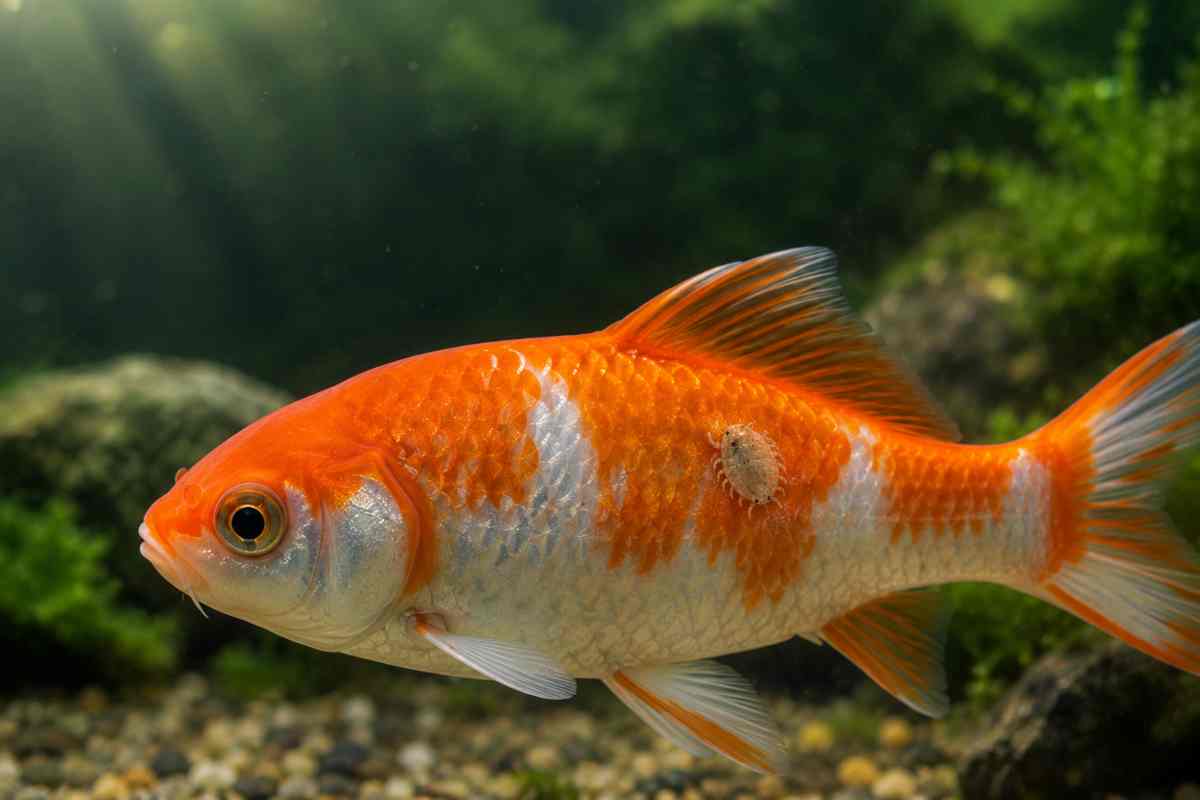
- Parasites such as flukes or fish lice
- Fin nipping and aggression
- Sudden temperature or pH changes
Once the barrier is breached, bacteria colonize the damaged tissue. If the fish is also stressed, its immune system struggles to contain them, and the infection can spread through the bloodstream (septicemia).
Why gram-negative matters
Most bacterial pathogens in freshwater aquariums are Gram-negative, meaning they have an extra outer membrane that makes some antibiotics less effective. This is why one fish medication may clear a fin infection while another does almost nothing. We come back to this in the treatment section.
Common Bacterial Pathogens in Aquarium Fish
| Bacterium | Typical Problems | Notes |
|---|---|---|
| Aeromonas spp. | Ulcers, fin rot, hemorrhagic septicemia, dropsy | Common in freshwater tanks; gram-negative |
| Pseudomonas spp. | Ulcers, fin and tail rot, red streaking | Thrives in poor water conditions; gram-negative |
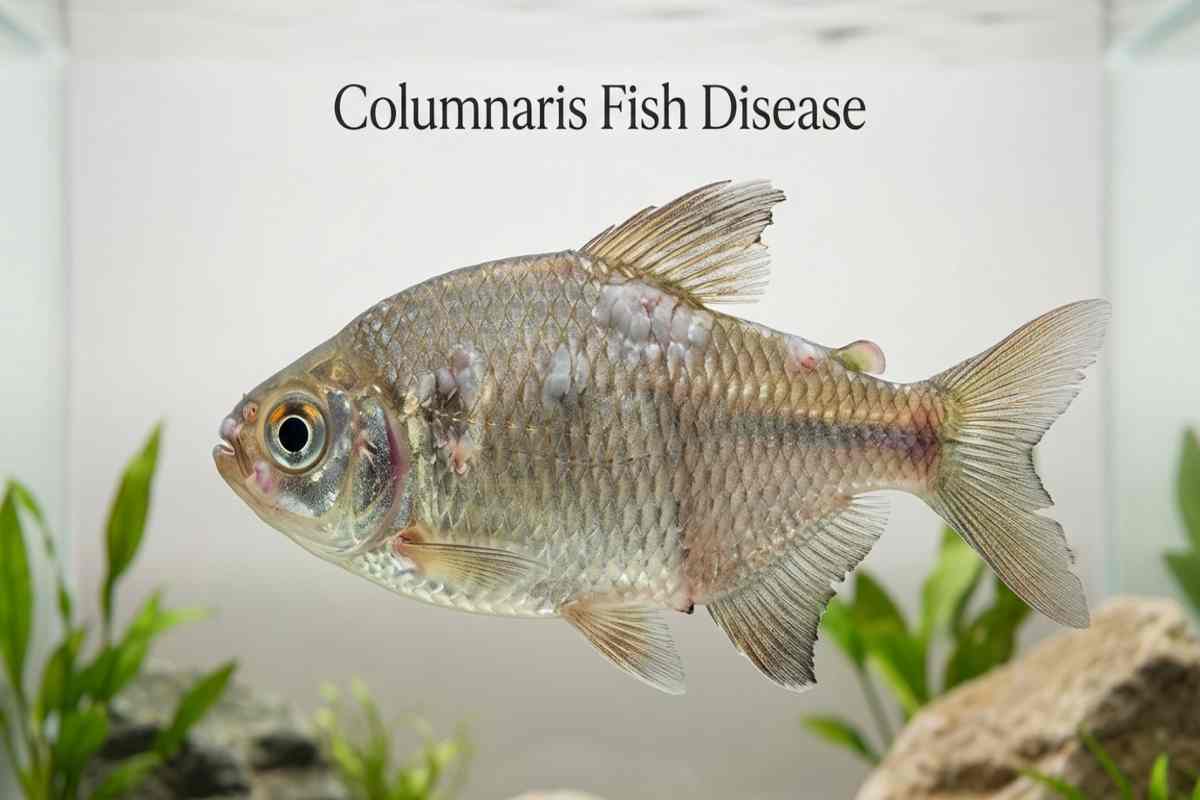
| Flavobacterium columnare | Columnaris: pale patches, saddleback lesions, mouth and gill damage | Fast-moving, often favored by warm water; gram-negative |
| Mycobacterium spp. | Fish tuberculosis (mycobacteriosis): slow wasting, skin lesions, spinal curvature | Chronic, difficult to cure, and can infect humans |
| Vibrio spp. | Ulcers, hemorrhage, eye damage | Mainly affects marine and brackish-water fish |
| Streptococcus / Lactococcus | Pop-eye, lethargy, erratic swimming | Gram-positive; associated with warm, crowded systems |
Most of these live naturally in tank water. Identifying the exact species requires a lab culture, but you can usually narrow it down from symptoms.
Fish Bacterial Infection Symptoms
Bacterial disease shows up in two broad ways: external signs you can see, and internal signs that develop quietly before the fish looks obviously ill.
External signs
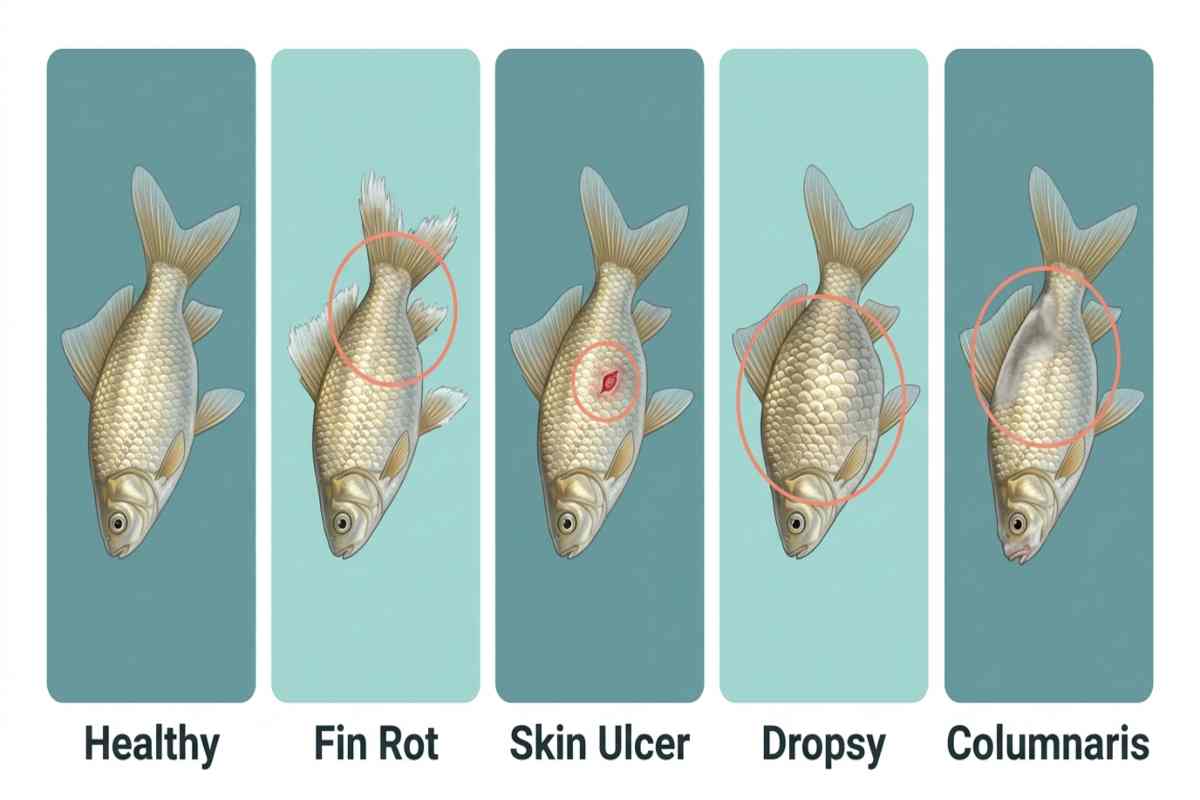
- Ragged, frayed, or shrinking fins and tail (fin rot)
- Red or bloody streaks on fins or body
- Open sores, ulcers, or raised red lesions
- Cloudy or milky patches on the skin
- Gray-white patches around the mouth or on the back
- Clamped fins, rapid gill movement, or gasping
Internal signs
- Swollen belly with raised, pinecone-like scales (dropsy)
- Bulging eyes (pop-eye)
- Loss of appetite and lethargy
- Stringy or white feces
- Weight loss despite normal feeding
- Balance or buoyancy problems
| Sign | Possible Bacterial Cause | Quick Note |
|---|---|---|
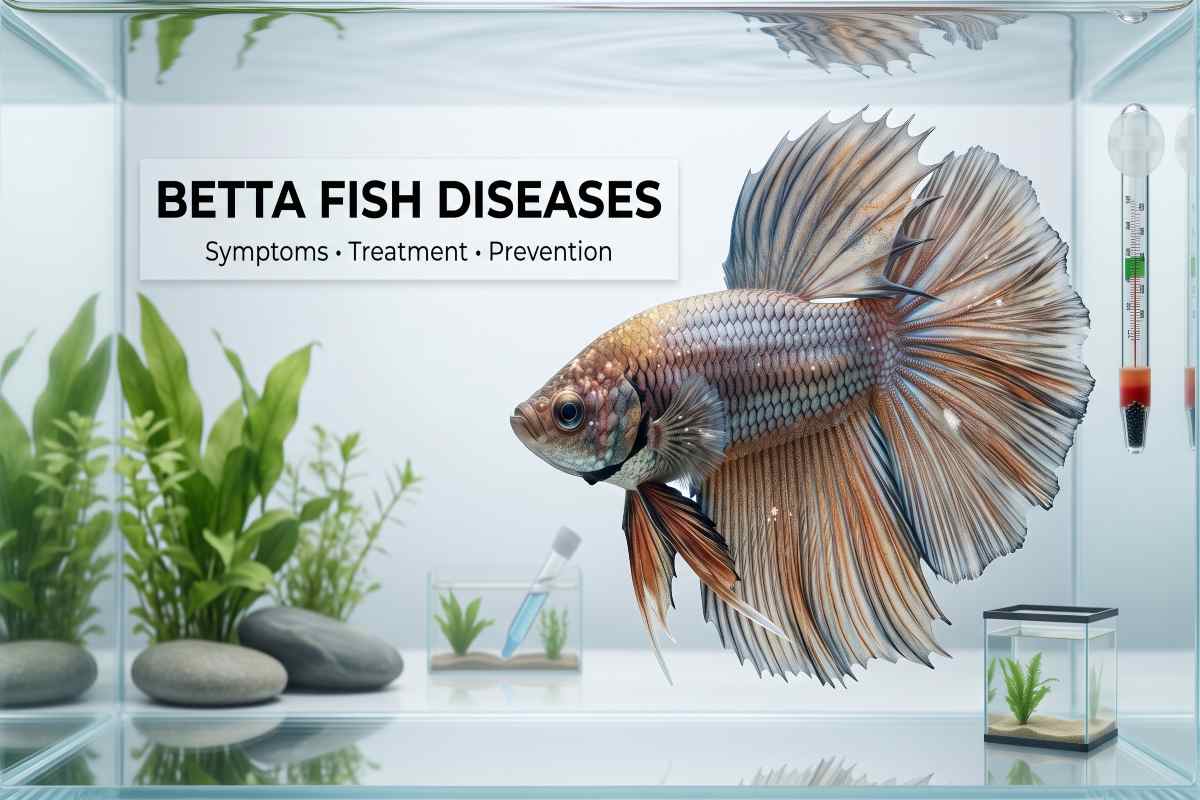
| Frayed fins, white edges | Fin rot (Aeromonas, Pseudomonas) | Treatable if caught early; see our guide to fixing fin rot in bettas. |
| Pineconing, swollen body | Dropsy, often Aeromonas | A symptom, not a single disease; prognosis is guarded. |
| Pale patches, mouth erosion | Columnaris | Can progress within hours to days. |
| Deep ulcers | Aeromonas or Pseudomonas | Often follows injury or parasites. |
| Bulging eyes | Bacterial or other causes | One eye may indicate injury; both eyes can suggest a systemic issue. |
| Red streaks on skin | Septicemia or ammonia burns | Test water immediately. |
Red streaks on the skin: what do they mean?
Red streaks can mean hemorrhagic septicemia, where bacterial toxins damage blood vessels. But they can also come from ammonia or nitrite burns, trauma, or stress. Test your water before reaching for medication. If ammonia or nitrite is above zero, treat that first. It may resolve the redness without antibiotics.
Bacterial or Fungal? How to Tell the Difference
New fishkeepers often confuse the two. Both can cause pale or white growths, but they look different.
| Feature | Bacterial (e.g., columnaris) | Fungal (e.g., Saprolegnia) |
|---|---|---|
| Texture | Flat, slimy, smooth-edged patches | Fluffy, cotton-like tufts |
| Typical Color | Gray-white, yellowish, or tan; sometimes with a red margin | White or gray, like mold |
| Location | Mouth, back (saddle), gills, fins | Wounds, damaged skin, eggs |
| Speed | Rapid; can be fatal in days | Usually slower |
| Common Cause | Stress, warm water, poor water quality | Secondary growth on injured tissue |
Fungal growth often appears on top of bacterial damage, so both can be present. Columnaris is frequently mistaken for fungus. Our article on columnaris in fish covers its distinctive lesions in detail.
Also rule out parasites. Small white dots usually point to ich rather than bacteria, and the treatments are completely different.
What Causes Bacterial Infections in Fish?
Healthy fish in clean water rarely develop serious bacterial disease. The triggers almost always involve stress:
- Ammonia and nitrite spikes from an uncycled tank, overfeeding, or a failed filter
- Chronically high nitrates that slowly suppress immunity
- Overcrowding, which raises waste load and aggression
- Temperature stress, both swings and prolonged heat (warm water also speeds bacterial growth)
- Injuries from sharp décor, netting, or aggressive tankmates
- New fish introduced without quarantine, which may carry latent infections
- Poor nutrition, which weakens immune response
- Parasites, which damage skin and gills and create entry points
Stress doesn’t make bacteria appear from nowhere. It tips the balance between the fish and the microbes that were already present. That is why disease often follows a move, a new tank, or a filter cleaning that crashed the bacterial colony.
Why do my fish keep getting bacterial infections?
If outbreaks keep returning, look for a hidden cause rather than repeating medication:
- An unresolved water-quality issue. Test ammonia, nitrite, and nitrate, not just pH.
- A carrier fish. One survivor can keep shedding bacteria.
- Cross-contamination. Sharing nets, buckets, or siphons between tanks spreads pathogens.
- Incomplete antibiotic courses, which can leave resistant bacteria behind.
- Chronic stress, such as aggressive tankmates, overstocking, or incompatible species.
If Mycobacterium is suspected (slow wasting, repeated unexplained deaths), see a vet or a diagnostic lab. It tends to persist in a system for a long time.
How to Treat a Bacterial Infection in Fish: Step by Step
Step 1: Test and correct the water
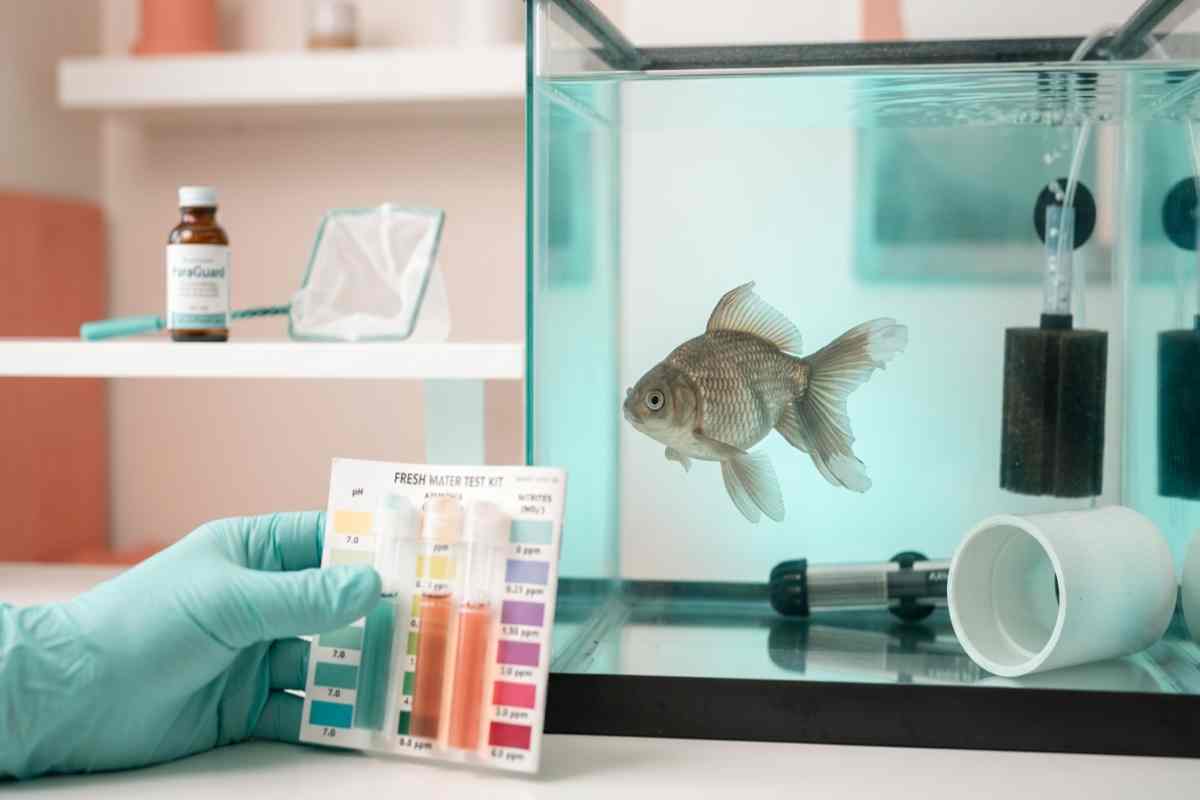
Test ammonia, nitrite, nitrate, pH, and temperature. Ammonia and nitrite should read 0 ppm. If they don’t, do a 25 to 50% water change with dechlorinated water, and repeat daily until they are controlled. Many mild infections, especially early fin rot, improve significantly once you fix water quality. Our guide to betta water requirements explains the parameters in more depth, and the same principles apply to most freshwater species.
Step 2: Set up a hospital tank
Moving the sick fish to a separate tank allows accurate dosing, avoids harming healthy fish and live plants, and protects your main filter bacteria.
A simple hospital tank has:
- A bare bottom (easier to keep clean)
- A cycled sponge filter, ideally seeded from your main tank, plus an air pump
- A heater matched to the species
- Hiding places such as cut PVC pipe or a plastic plant
- Dim lighting to reduce stress
Match the temperature and pH to the main tank, and move the fish slowly. If you lack a spare tank, a clean plastic container with daily water changes works for short-term care.
Step 3: Identify the likely type of infection
Use the symptoms table above and match your situation to the closest scenario:
- Early fin rot or minor ulcer: water correction, clean water changes, and a gram-negative antibiotic if it progresses
- Columnaris suspected: act the same day; this is one of the fastest-moving bacterial diseases
- Dropsy or pop-eye in both eyes: a systemic problem, so consider veterinary advice
- Chronic wasting with skin lesions: consider mycobacteriosis and consult a professional
Step 4: Choose the right treatment
| Product / Drug | What It Is | Best Suited For | Limitations |
|---|---|---|---|
| Melafix | Botanical (tea tree oil extract), not an antibiotic | Mild support for minor damage | Limited evidence for curing established infections; some fishkeepers avoid it with labyrinth fish like bettas. |
| Erythromycin (e.g., Maracyn) | Antibiotic | Mainly gram-positive bacteria | Limited activity against many gram-negative aquarium pathogens. |
| Minocycline (e.g., Maracyn-Two) | Tetracycline-class antibiotic | Many gram-negative infections | Follow the label; may affect the biofilter. |
| Kanamycin (e.g., Kanaplex) | Aminoglycoside antibiotic | Gram-negative infections, often internal when given in food | Requires careful dosing; available forms vary by country. |
| Tetracycline | Older broad-spectrum antibiotic | Some bacterial diseases | Resistance is common in aquaculture. |
Brand names, formulations, and legal availability vary by country. In many regions, fish antibiotics need a veterinary prescription. Always follow the label for the exact product you buy, or your vet’s instructions.
Step 5: Match the delivery method to the infection
You can treat fish in the water (bath), through food, or by injection. This is a detail many guides skip, but it matters:
- Bath treatments work best for external infections such as fin rot and surface ulcers.
- Medicated food is generally more effective for internal infections, because many antibiotics absorb poorly through gills and skin. It only works if the fish is still eating.
- A veterinarian administers injections, which are typically used for valuable fish or serious systemic infections.
Step 6: Dose carefully and complete the course
- Remove activated carbon, which absorbs medication.
- Turn off UV sterilizers during treatment.
- Don’t mix medications unless a vet advises it.
- Complete the entire course shown on the label, usually several days, even if the fish looks better.
- Do water changes between doses as directed, and re-dose for the replaced volume
Stopping early is a common reason infections return, and it contributes to antibiotic resistance.
Step 7: Monitor and support recovery
Test water daily in the hospital tank, as antibiotics may disrupt beneficial bacteria. Offer small amounts of high-quality food, and remove uneaten food promptly. Keep the temperature stable.
Can I use human antibiotics on fish?
Some fish products contain the same active ingredient as human drugs, but using human medication is not recommended. Strength, purity, and dosing aren’t designed for fish, and overuse worsens antibiotic resistance. In many countries, using unprescribed antibiotics is also restricted. A veterinarian experienced with fish can prescribe appropriately and may recommend a culture and sensitivity test to pick the most effective drug.
Natural treatments: do they work?
Salt, Indian almond leaves, and herbal products are popular. Aquarium salt at low concentrations is used as supportive care for tolerant species, commonly in the range of about 1 to 3 grams per liter. Avoid it with scaleless fish, certain catfish and loaches, and live plants. These measures may reduce stress, but evidence that they cure established bacterial infections is limited. For fast-moving or internal infections, delaying proper treatment is risky.
Specific Conditions Worth Knowing
Fin rot and tail rot
Fin rot usually follows poor water or injury. Treat water quality first, and the fins often stabilize within about a week. Regrowth takes weeks to months, and it only occurs if the fin base hasn’t been destroyed. Betta keepers will find species-specific advice in our guide to fin rot in betta fish.
Dropsy
Dropsy is fluid buildup, not a single disease. Bacterial infection, organ failure, or other issues can cause it. Fish with pineconing often have advanced internal problems, so the outlook is guarded. For more, see our guides to dropsy in goldfish and dropsy in betta fish, or the overview of what dropsy is.
Pop-eye
Swelling in one eye often follows injury. If it affects both eyes, it points to a systemic infection or water-quality problem. Read more about pop-eye in fish.
Columnaris
Columnaris moves fast, especially in warm water. Early action, with clean water and a suitable gram-negative antibiotic, gives the best chance.
Mycobacteriosis (fish tuberculosis)
This chronic infection causes slow wasting, skin lesions, and sometimes spinal deformities. There is no practical cure in most aquarium situations, and it can spread to other fish and to people. Isolate affected fish, avoid contact with the water if you have cuts, and consult a vet about the best course of action.
What about marine fish?
Marine and brackish fish are more exposed to Vibrio and other saltwater bacteria, and treatment differs. The principles in this guide (water quality, quarantine, matching the drug to the bacterium) still apply, but dosing and species risks differ, so use marine-specific guidance.
Can Humans Catch a Bacterial Infection from Fish?
Yes, though it is uncommon. Mycobacterium marinum can cause “fish tank granuloma,” a slow-healing skin infection that usually starts through a cut or scrape. Other aquarium bacteria can also cause skin infections. The U.S. Centers for Disease Control and Prevention (CDC) advises protective measures for aquarium work:
- Wear waterproof gloves when cleaning tanks or treating sick fish
- Avoid putting hands in the tank if you have open cuts
- Never siphon water by mouth
- Wash hands thoroughly afterward
- Contact a doctor if a skin wound near the tank doesn’t heal, and mention your fish hobby
How Long Does Recovery Take?
| Condition | Typical Response Time | Notes |
|---|---|---|
| Mild fin rot | Improvement in about 3 to 7 days; regrowth in weeks to months | Depends on how much of the fin is lost. |
| Skin ulcers | Weeks | Deep ulcers may scar. |
| Columnaris | Noticeable response within a few days if caught early | Late-stage cases often fail. |
| Dropsy | Often a poor outcome | Early cases may respond to treatment. |
| Mycobacteriosis | Rarely resolves | Management, not cure. |
When Treatment Fails: Humane Euthanasia
Sometimes a fish doesn’t respond, or it has advanced dropsy, severe ulcers, or tuberculosis. Prolonging suffering isn’t kind. If the fish has stopped eating, can’t swim normally, or is deteriorating despite proper care, humane euthanasia is an option.
The most commonly recommended home method is an overdose of an anesthetic such as clove oil (eugenol), followed by confirmation of death. Veterinarians can also provide euthanasia. Avoid freezing, flushing, or leaving the fish out of water, as these cause suffering. The American Veterinary Medical Association (AVMA) publishes guidelines on humane fish euthanasia.
Also dispose of medicated water responsibly, and never release it, or any fish, into natural waterways.
How to Prevent Bacterial Infections in Fish
Prevention is far easier than treatment. The basics:
- Quarantine all new fish in a separate tank for about four weeks.
- Keep the nitrogen cycle stable. Keep ammonia and nitrite at zero; keep nitrates low through regular water changes.
- Maintain your biofilter. Rinse media in used tank water, never tap water, and don’t replace everything at once.
- Don’t overcrowd, and avoid aggressive combinations.
- Feed quality food in small amounts.
- Keep temperature stable and appropriate for the species.
- Disinfect or separate equipment between tanks, including nets and siphons.
- Handle fish rarely, and with wet hands or a soft net.
- Observe daily. Early changes in behavior and appetite are usually the first clue.
Quick checklist for a healthy tank
- Ammonia 0 ppm, nitrite 0 ppm
- Nitrate kept low
- Temperature stable
- New fish quarantined
- No sharp décor
- Separate nets for each tank
- Filter media maintained gently
If you’re building or reviewing your setup, our aquarium setup category covers the fundamentals, and the fish diseases section of The Fish Care helps you identify other common problems.
Conclusion
Bacterial infections look frightening, but they are usually manageable once you understand what lies beneath them: stress, poor water, and a weakened slime coat. Test your water, isolate the fish, choose a treatment suited to the infection type, and finish the full course. Over the long run, quarantine habits and a stable, well-cycled tank protect your fish more than any medication.
As you build your fish-health knowledge, The Fish Care’s library of species guides and disease articles can help you spot problems earlier and respond with confidence.
Frequently Asked Questions
Can a fish recover from a bacterial infection without medication?
Mild cases, especially early fin rot, sometimes improve once you correct water quality and remove stress. Advanced infections, columnaris, and internal infections usually need antibiotics.
Is a fish bacterial infection contagious to other fish?
Many bacteria are already present in the tank, so whether others get sick depends on their stress level and immunity. Columnaris and mycobacteriosis can spread between fish. Isolating sick fish is the safest approach.
How do I treat a bacterial infection in a fish tank naturally?
Start with excellent water quality, stable temperature, and good nutrition. Low-dose aquarium salt can help tolerant species. Herbal products may offer mild support, but they shouldn’t replace antibiotics for serious infections.
What is the best over-the-counter treatment for fish bacterial infection?
There is no single best product. It depends on the type of bacterium and the condition. Minocycline- and kanamycin-based products are commonly used for Gram-negative infections, while erythromycin targets mostly Gram-positive bacteria. Availability varies by country, so check local regulations and, ideally, consult a vet.
How long does it take for a fish to recover from fin rot?
Mild cases can improve within about a week with better water quality and treatment. Fully regrown fins can take several weeks to a few months.
What causes red streaks on fish skin?
Possible causes include bacterial septicemia, ammonia or nitrite burns, and injury. Test the water first.
Can bacterial infections spread to humans?
Rarely, yes. Mycobacterium marinum is the best-known example. Gloves and good hygiene greatly reduce the risk.
References
- Merck Veterinary Manual: fish disease and bacterial infections in aquarium and ornamental fish. https://www.merckvetmanual.com
- U.S. Centers for Disease Control and Prevention (CDC): Healthy Pets, Healthy People guidance on fish, aquarium hygiene, and Mycobacterium marinum infections. https://www.cdc.gov
Additional guidance on humane euthanasia: American Veterinary Medical Association (AVMA), https://www.avma.org